Business
UPS to Slash 30,000 Jobs Amid Amazon Volume Drop: What It Means for Workers and the Industry
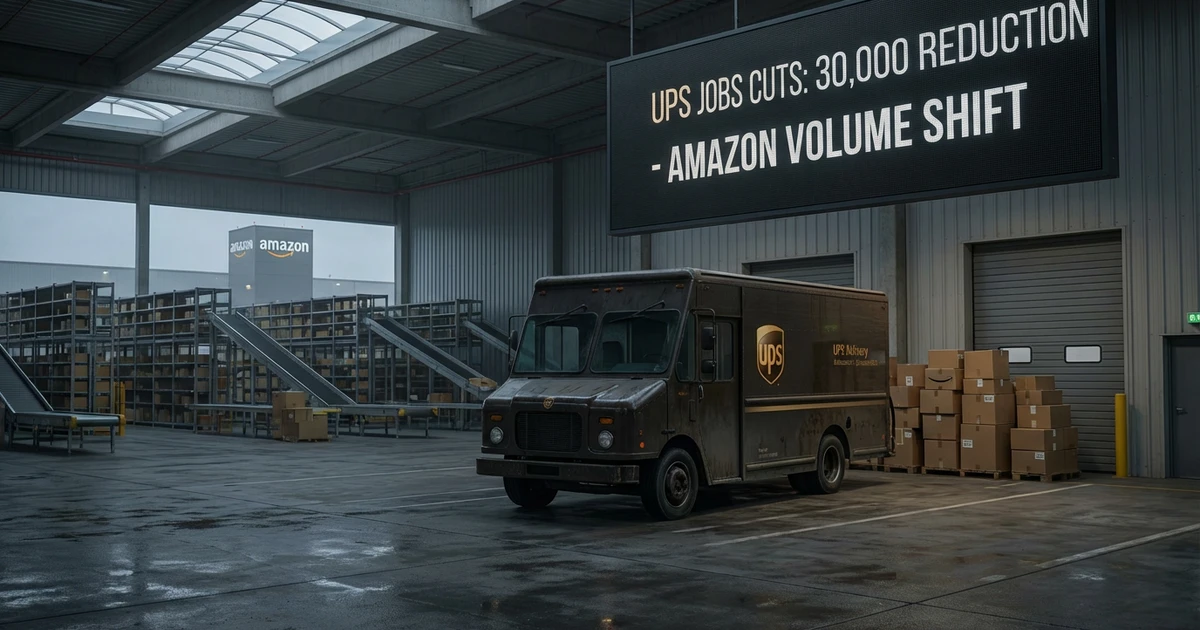
UPS, one of the world’s leading logistics companies, announced plans to eliminate 30,000 jobs in 2026, marking a significant move as it faces a sharp decline in shipping volumes from major client Amazon. The decision, revealed as the company looks to adapt to a rapidly changing delivery landscape, sent UPS shares higher as investors reacted to the aggressive cost-cutting strategy.
Why UPS Is Cutting 30,000 Jobs
The primary driver behind this massive workforce reduction is a pronounced decrease in package volume from Amazon, which has been building out its own delivery network and increasingly relying less on third-party carriers like UPS. As a result, UPS faces the challenge of resizing its operations to meet new demand realities, particularly after years of rapid e-commerce growth fueled by the pandemic.
- 30,000 jobs will be eliminated, representing one of the largest single-year workforce reductions in the company’s history.
- Amazon’s shift to self-delivery and alternative carriers has accelerated, slashing the volume of packages routed through UPS.
- This move follows previous cost-saving initiatives and reflects UPS’s efforts to streamline operations amid lower package volumes.
Industry Impact and Investor Reaction
The announcement had an immediate effect on financial markets, with UPS shares rising as investors responded positively to the cost-cutting efforts. The logistics industry has been undergoing transformation as e-commerce giants like Amazon invest heavily in their own delivery infrastructure, reducing reliance on traditional carriers.
- UPS’s decision signals a broader trend in the delivery sector, with traditional logistics providers under pressure from large retailers building in-house capabilities.
- Job cuts could impact communities across the United States, affecting both unionized and non-unionized positions.
- The move is part of a larger strategic shift to maintain profitability and adapt to new market realities.
What It Means for UPS Employees and Customers
While the job cuts are intended to align costs with current demand, the impact on employees is significant. UPS has not specified the breakdown of affected roles, but the reductions are expected to affect a broad range of positions. Customers may see changes in service levels and delivery schedules as UPS streamlines its operations to focus on its most profitable segments.
- Employees facing layoffs may be eligible for severance and transition support, depending on their contracts and union agreements.
- UPS may continue to invest in automation and technology to further optimize its network and reduce reliance on manual labor.
Looking Ahead: The Future of Logistics
The UPS restructuring reflects the evolving nature of e-commerce logistics and the growing trend of major retailers controlling more of their supply chain. As Amazon and others continue to expand their own delivery networks, traditional logistics companies must adapt with new strategies, including workforce reductions, automation, and a tighter focus on high-margin business.
For the logistics sector, these developments signal a new era of competition and transformation, with implications for workers, customers, and investors alike. UPS’s bold step to cut 30,000 jobs in response to shifting demand may set the tone for further changes across the industry in the coming years.
Sources
- [1]Reuters