Sports
Uruguay sings anthem before World Cup 2026 debut against Saudi Arabia
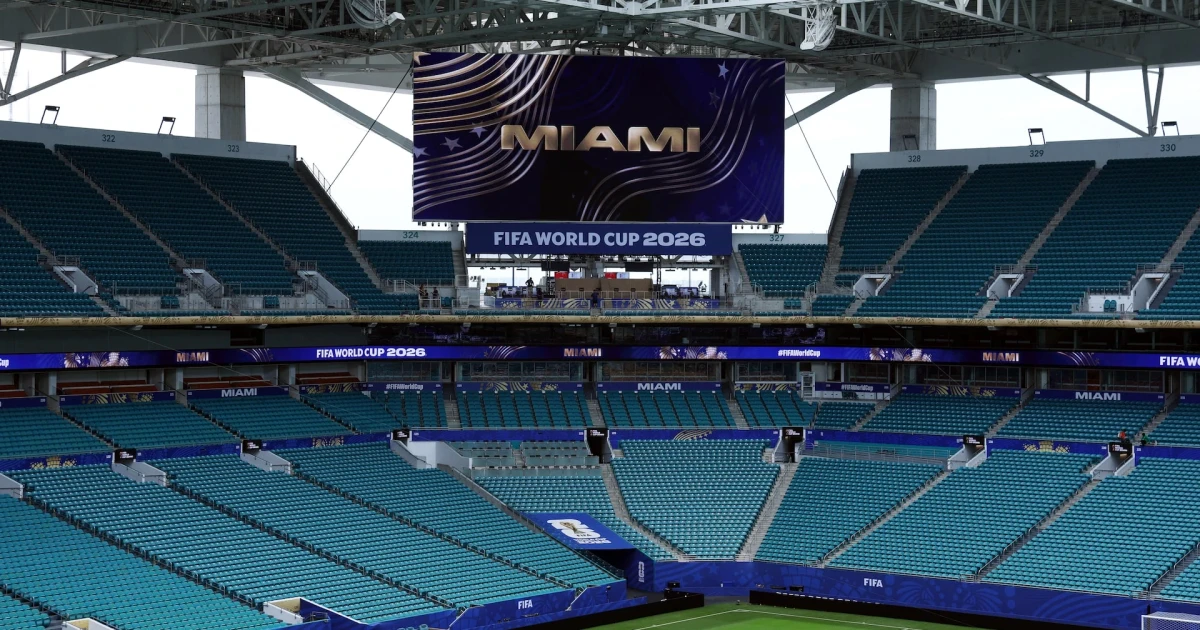
The anthem gave the moment its weight. In Miami Stadium, Uruguay’s players and supporters sang before the team’s World Cup 2026 debut against Saudi Arabia, turning a Group H fixture into a public declaration of national identity as much as a football match.
That sense of occasion fit a tournament that has expanded to 48 teams and 104 matches, with games staged from June 11 to July 19 across Canada, Mexico and the United States. In that wider, more mobile World Cup, the anthem scene felt like a snapshot of how football travels with migration, memory and pride, especially for a country such as Uruguay, whose global sporting identity remains tightly linked to its diaspora and its history on the game’s biggest stage.
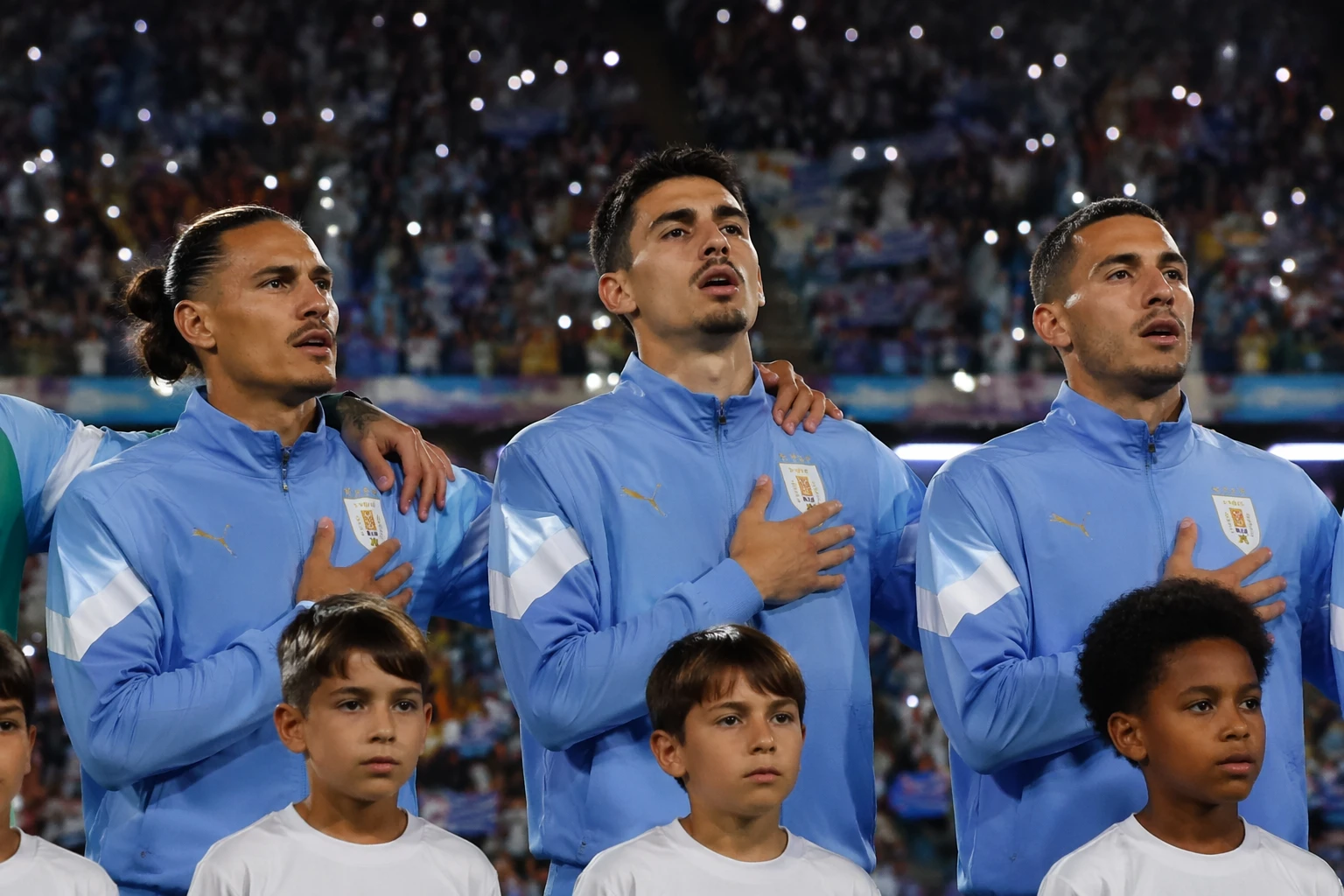
Uruguay arrived in Miami after qualifying directly by finishing fourth in CONMEBOL qualifying, a route that spared it the uncertainty of a playoff and underscored the consistency of Marcelo Bielsa’s squad. Bielsa’s 26-man selection included Federico Valverde, José María Giménez and Fernando Muslera, three names that anchor the team’s midfield, defense and experience. For Uruguay, the mix matters: this is a side trying to balance its old competitive identity with the demands of a larger, more crowded tournament.
Saudi Arabia also came in with a clear story of return. FIFA highlighted the team’s path back to the World Cup under Hervé Renard, who is again at the helm after guiding the Saudis through qualification. That gives Group H an early meeting of two teams with distinct football traditions, both carrying the pressure of first impressions in a format that now leaves more room for movement but little room for error.
Uruguay’s anthem carried added historical force because the country has already won the World Cup twice, in 1930 and 1950. Those titles remain central to how La Celeste is understood at home and abroad, and they framed the scene in Miami as more than a pregame ritual. It was a reminder that every World Cup debut can also function as a reunion, linking a national team, its supporters and Uruguayans watching far from home to a shared political and cultural memory that football still makes visible.
Sources
- [1]telemundo.com
- [2]fifa.com