Politics
U.S. Accuses Raúl Castro of Murder in Landmark Case
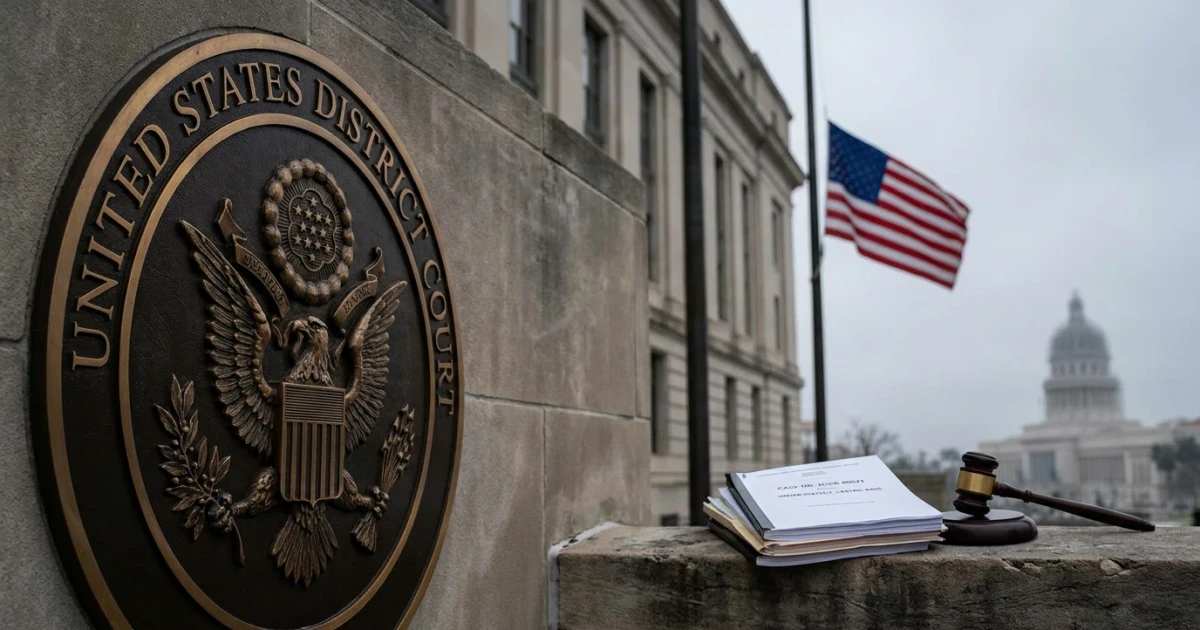
Raúl Castro, Cuba’s former president and a pivotal figure in the island’s modern history, has been formally charged with murder by U.S. authorities, according to a report from The New York Times. The unprecedented indictment raises complex questions about international law, extradition, and the legacy of Castro's rule.
Details of the U.S. Indictment
The U.S. Department of Justice revealed that the charges stem from alleged acts of violence committed during Castro’s tenure as president, a period marked by widespread repression and human rights concerns. The specifics of the indictment remain under seal, but the case is expected to cite multiple incidents that resulted in the deaths of political dissidents and civilians. The charges invoke international standards for prosecuting murder, referencing guidance outlined in UN Guidance on the Crime of Murder under International Law for state officials.
Legal and Diplomatic Complexities
Prosecuting a former head of state from a foreign nation presents significant legal hurdles. While the United States has established extradition treaties with many countries, its agreement with Cuba is limited and rarely enforced, especially in cases involving high-profile political figures. Cuba’s constitution and judicial system, outlined in the CIA World Factbook, grant broad immunity to former leaders, complicating any attempts at extradition or international prosecution.
- The U.S. extradition treaty with Cuba dates back to 1905, but diplomatic relations have been strained for decades.
- Cuban law generally prohibits extradition of its citizens for crimes committed within the country.
- Past efforts to prosecute foreign officials have relied on principles of universal jurisdiction, as documented by Trial International.
Human Rights Context and Allegations
Castro’s presidency from 2008 to 2018 was characterized by crackdowns on dissent, arbitrary arrests, and reports of extrajudicial killings. According to the 2022 Country Reports on Human Rights Practices, numerous cases of political violence were documented, with international organizations alleging direct involvement by state security forces. The Human Rights Watch World Report 2023 lists Cuba among the countries with ongoing concerns over government-led repression, including incidents that may form the basis of the U.S. charges.
- Hundreds of political prisoners remain in Cuban jails, many arrested during Castro’s administration.
- Reports from Human Rights Watch cite multiple cases of deaths during protests and police raids.
- International legal groups have catalogued attempts to indict Cuban officials for crimes against humanity.
Potential Impact and Next Steps
The indictment is likely to heighten tensions between Washington and Havana, potentially impacting diplomatic ties and ongoing negotiations. Analysts suggest that the case could set a precedent for holding foreign leaders accountable for state-sponsored violence, though practical challenges remain substantial. Without an effective extradition mechanism, the trial may proceed in absentia, or remain symbolic unless Castro is apprehended outside Cuba.
International Reaction
Human rights advocates have welcomed the move, calling it a step toward justice for victims. Cuban authorities have yet to comment officially, but past responses to similar allegations have been dismissive, arguing that such charges are politically motivated. Legal experts note that the U.S. action relies on established doctrines for prosecuting grave crimes under international law, as explained in the UN Guidance on Murder.
Conclusion
The U.S. murder charges against Raúl Castro mark a dramatic escalation in efforts to address alleged abuses by former Cuban leaders. Whether the case leads to a trial or conviction, it signals a renewed commitment to international accountability for state violence and may encourage similar actions in other jurisdictions. As new developments emerge, legal observers will watch closely to see if the charges prompt greater scrutiny of Cuba’s political history and judicial system.