Health
US Adds Blood Test to Colorectal Cancer Screening
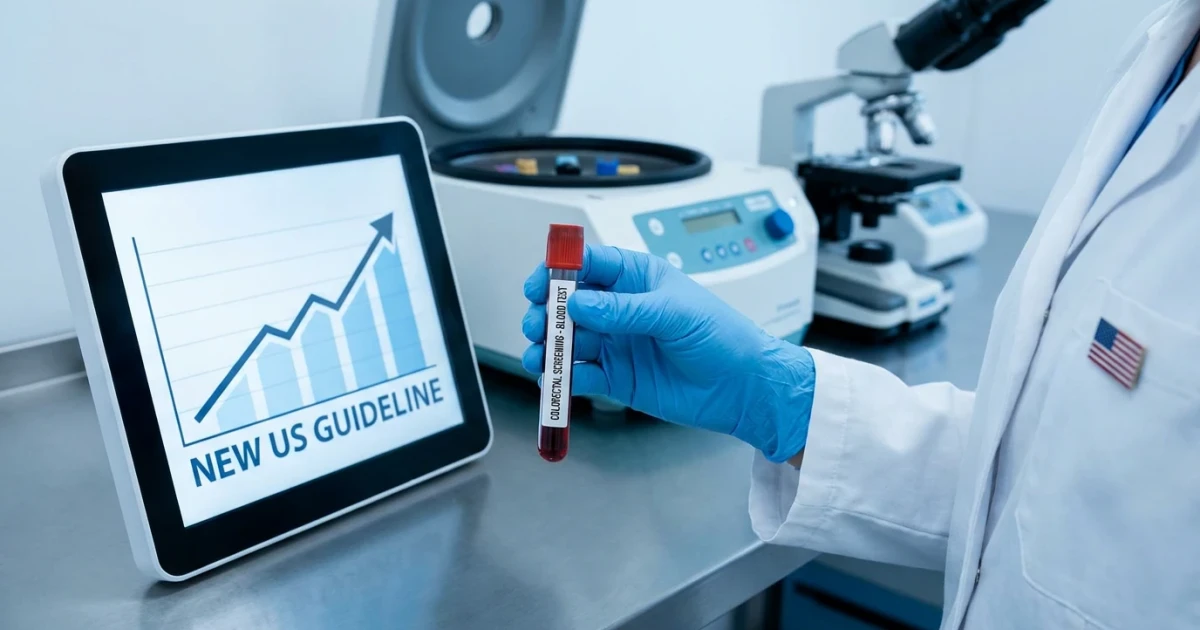
The United States has officially updated its guidelines for colorectal cancer screening, now including a new blood-based test as an option for early detection. The change comes amid growing concern over rising rates of colorectal cancer, particularly among adults under 50.
Why Screening Guidelines Are Changing
Colorectal cancer is the third most common cancer diagnosed and the second leading cause of cancer death in the US. While overall incidence rates have declined in older adults, recent trends show a notable increase in young-onset colorectal cancer. According to the CDC's data visualizations, cases among people under age 50 have been steadily climbing over the last decade.
In response, the US Preventive Services Task Force (USPSTF) released updated screening recommendations in June 2026. For the first time, the guidelines include a blood-based test as an approved method for colorectal cancer screening. This new option complements existing methods like stool-based tests and colonoscopy.
What the New Guidelines Recommend
- The USPSTF recommends that adults begin regular colorectal cancer screening at age 45.
- Screening options now include stool tests, colonoscopy, flexible sigmoidoscopy, and a new blood-based test.
- The blood test is intended for people at average risk who decline other screening methods.
- Screening should continue through age 75 for most adults.
The official USPSTF statement notes that the blood test offers a non-invasive alternative for individuals who may be reluctant to undergo a colonoscopy or provide a stool sample, potentially increasing overall screening participation rates.
Addressing a Rise in Colorectal Cancer Among Young Adults
ScienceAlert highlights that the update comes as colorectal cancer diagnoses are spiking among younger adults. The reasons for this trend are still being investigated, but factors like changes in diet, obesity, and sedentary lifestyles are suspected contributors. The National Cancer Institute is ramping up research to better understand the causes and find effective prevention strategies.
Potential Impact of the Blood-Based Test
Advocates for expanded screening hope the blood test will remove barriers for those hesitant about other methods. Colorectal cancer is highly treatable when detected early, but many cases are diagnosed at advanced stages due to low screening rates. According to CDC statistics:
- About 150,000 new cases of colorectal cancer are diagnosed annually in the US
- Over 52,000 deaths occur each year from the disease
- Screening rates remain below 70% for eligible adults
By adding a blood test option, experts hope more adults—especially those at average risk—will complete recommended screening. However, the blood test is not meant to replace colonoscopy, which remains the gold standard for detection and removal of precancerous polyps.
Looking Ahead: Ongoing Research and Next Steps
The updated guidelines follow a careful review of emerging evidence on screening technologies. Ongoing studies are evaluating the effectiveness of blood-based tests in real-world populations. The peer-reviewed analysis in JAMA notes that while the blood test is less sensitive than colonoscopy, it offers a valuable alternative for increasing overall screening rates.
Medical experts encourage adults to discuss their personal risk factors and screening options with their healthcare providers. The addition of the blood test provides more flexibility, but regular screening and follow-up remain essential for reducing colorectal cancer deaths.
For more details, readers can consult the NCI's comprehensive screening explainer and the full USPSTF guideline statement.