Health
U.S. aid cuts trigger shortages of lifesaving malnutrition food in Senegal
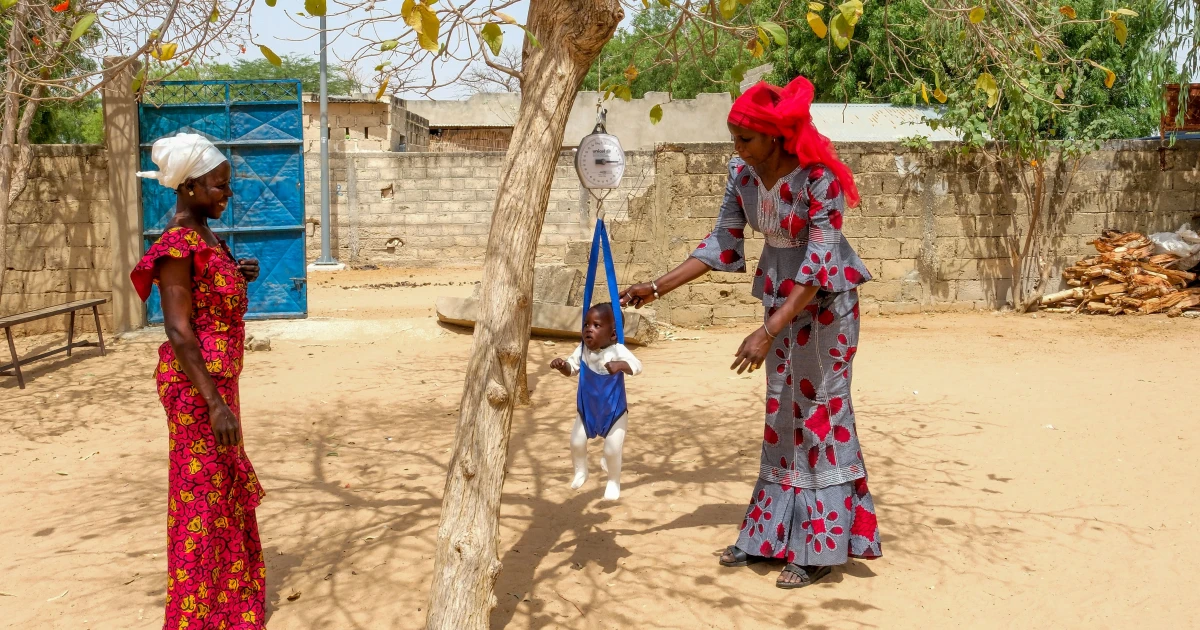
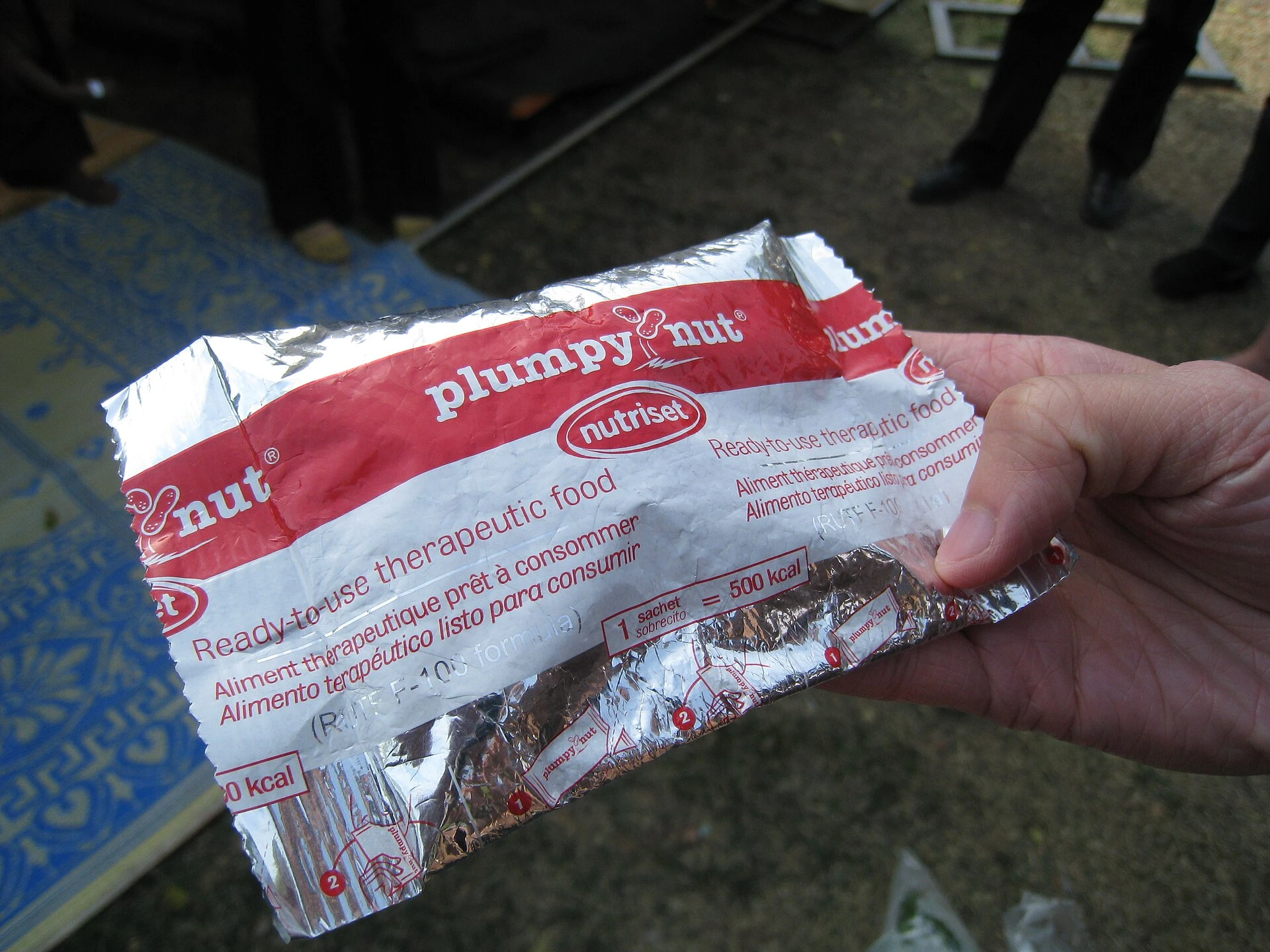
Parents in Senegal who once had a reliable source of ready-to-use therapeutic food are now confronting shortages of the paste that can save severely malnourished children at home. The food, known as RUTF and sold in products such as Plumpy’Nut, is made from peanut butter, powdered milk, oil, sugar, vitamins and minerals. When supplies run short, children who might have been treated outside the hospital face a far more dangerous path.
The breakdown traces back to U.S. nutrition aid cuts that have rippled through the supply chain, leaving RUTF stuck in warehouses and deliveries uncertain. In Senegal, where UNICEF says community engagement and local health workers are central to malnutrition response, the treatment has been part of a broader program that also includes therapeutic milk and essential medicine for the country’s most vulnerable regions. That system matters in a country where UNICEF data put under-five mortality at 36.5 deaths per 1,000 live births, with 19,308 under-five deaths.
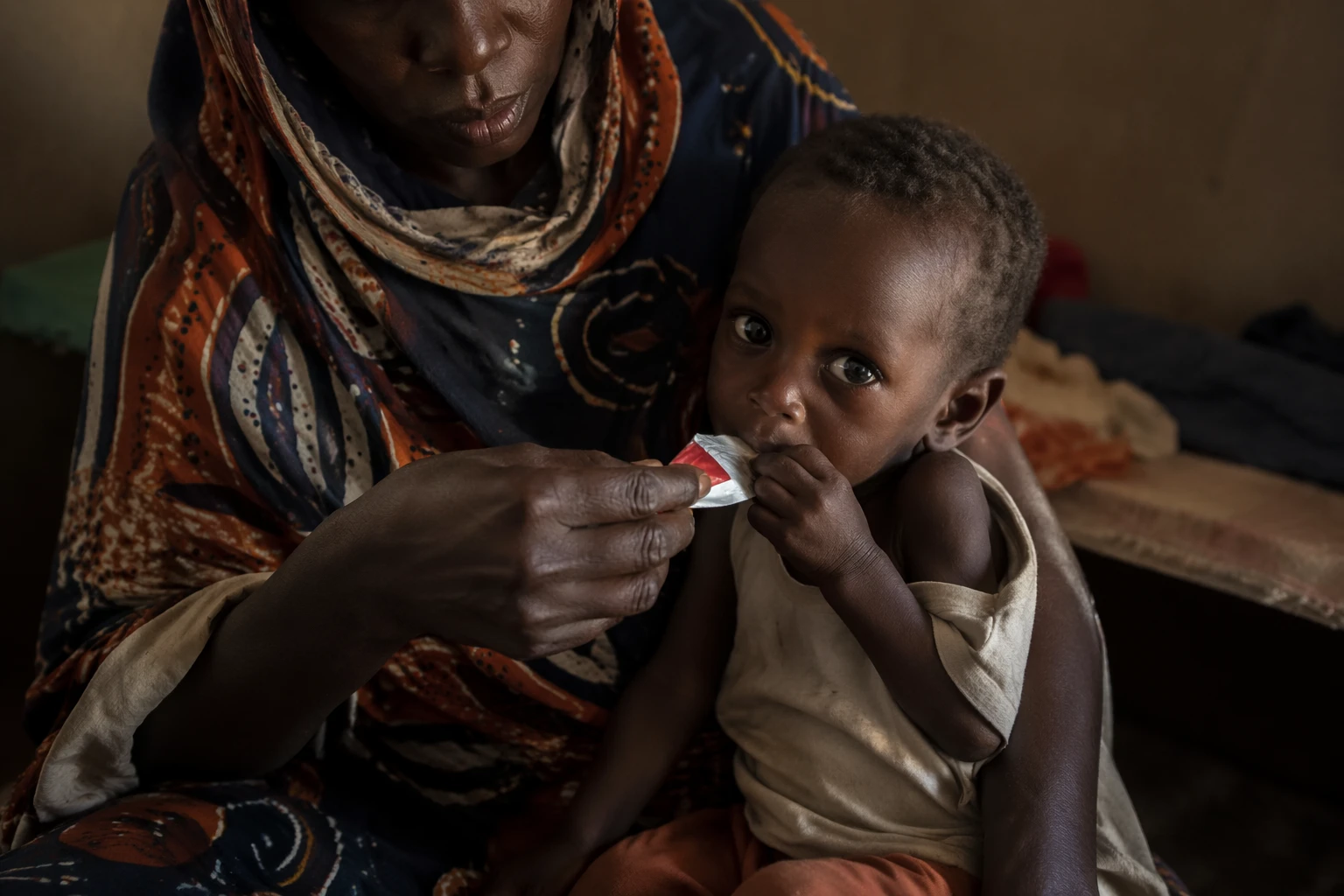
The strain is part of a much larger global crisis. UNICEF says it has been procuring and delivering RUTF since 2000, and that the treatment has revolutionized care for children with severe wasting. The World Health Organization defines wasting as being too thin for one’s age, a condition that sharply raises the risk of disease and death. UNICEF says about 42.8 million children under 5 suffered from wasting in 2024, including 12.2 million who needed immediate treatment. Until 2022, global funded demand for RUTF averaged about 50,000 metric tons a year, enough to treat roughly 3.6 million children annually, and UNICEF says it supplies about 80% of global demand.
Health agencies have warned that the funding squeeze is already translating into a body count. UNICEF warned in October 2024 that nearly two million severely malnourished children were at risk of death because of shortages of RUTF. Doctors Without Borders said the U.S. nutrition aid cuts left supplies stranded and made delivery harder to plan, while Save the Children warned in 2025 that 110,000 children with severe malnutrition were threatened and that 15.6 million people across 18 countries could be cut off from treatment. For Senegal and much of West and Central Africa, a policy decision in Washington has become an empty shelf, and then a longer, more dangerous wait for children who once had a lifeline.
Sources
- [1]npr.org
- [2]unicef.org
- [3]who.int
- [4]data.unicef.org
- [5]doctorswithoutborders.org
- [6]savethechildren.net
- [7]unicefusa.org