World
U.S. aid has let Israel sidestep diplomacy, critics say
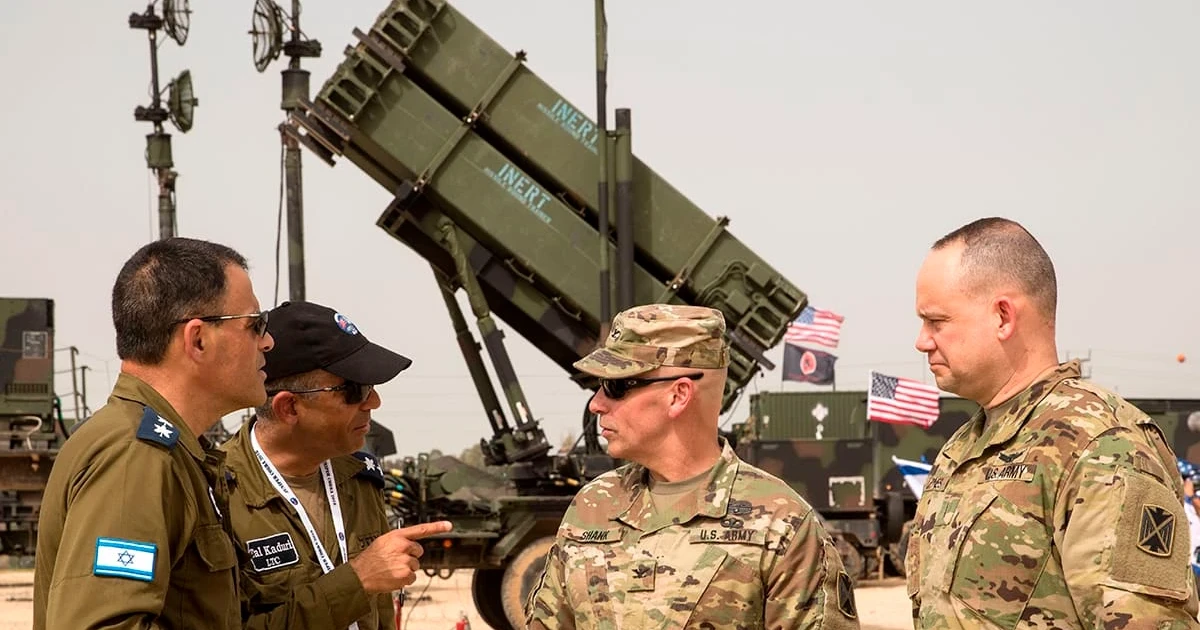
Since 1948, the United States has provided Israel with more than $130 billion in bilateral assistance, and the Congressional Research Service puts the total at about $158 billion when missile-defense funding is included. Critics argue the deeper effect is political: it has reduced urgency for compromise. Almost all current U.S. bilateral aid to Israel is military assistance, which is why the debate now centers on leverage, not just generosity.
How the aid system is built
The modern framework was locked in by the 2016 memorandum of understanding, under which Washington committed $38 billion in security assistance for fiscal years 2019 through 2028. That package sets annual funding at $3.3 billion in Foreign Military Financing and $500 million for missile defense, a structure the State Department called the single largest pledge of bilateral military assistance in U.S. history. It is not a one-off subsidy but a decade-long guarantee that arrives alongside Congress’s annual appropriations and the wider policy machinery that has tied the two governments together for generations.
U.S. law and policy require preservation of Israel’s Qualitative Military Edge over neighboring militaries, a standard that shapes weapons transfers, procurement choices, and the political debate in Washington. Since 1983, the two governments have also met regularly through the Joint Political-Military Group to coordinate security cooperation, turning the relationship into an institutional channel rather than an ad hoc alliance. Israel’s security relationship with the United States also reaches into joint exercises, military research, weapons development, and intelligence coordination.
Why critics see a strategic liability
Critics argue that if the United States keeps underwriting Israel’s military position, Israeli leaders have less incentive to pay the political cost of compromise. That argument sharpened after the October 7, 2023 Hamas attack and the war in Gaza, when critics said unconditional military support reduced American pressure on Israel to make diplomatic concessions. In that view, Washington became less a broker between adversaries than a backstop for Israeli decision-making.
After October 7, U.S. military aid to Israel increased sharply and at least tripled. The United States provided roughly one-third of Israel’s defense budget in 2024.
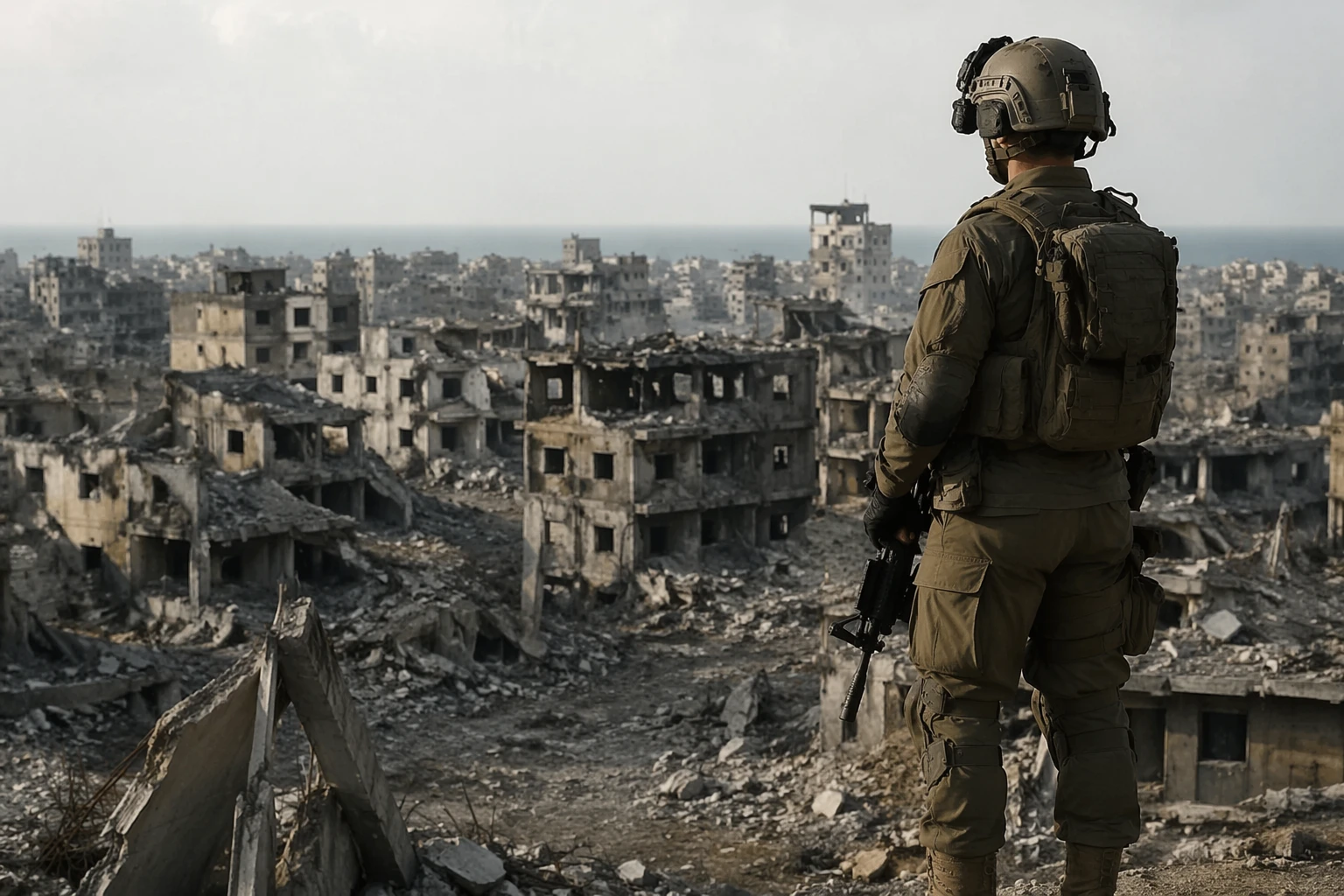
Critics argued that U.S. backing, combined with the scale of Israeli military operations, weakened the incentive to treat ceasefire talks and broader political compromise as urgent necessities.
The counterargument: security first
Supporters of the aid relationship reject the idea that leverage is the same thing as prudence. They say the assistance underpins Israel’s deterrence in a volatile region and helps preserve the Qualitative Military Edge that U.S. policy has long treated as essential. From that perspective, military aid is not a reward for inaction but a safeguard against escalation, especially when Israel faces adversaries around Gaza and beyond.
The broader strategic relationship also complicates the claim that aid alone explains Israeli choices. The United States and Israel are linked through defense cooperation, joint exercises, military research, weapons development, intelligence coordination, and a free trade agreement signed in 1985. That wider web means the alliance is not reducible to a single aid line, and it also means Israeli policy is shaped by security, economics, and domestic politics at the same time. Benjamin Netanyahu’s government has operated within that matrix, not outside it.
In May 2024, the United States froze some weapons shipments to Israel over the Rafah offensive. More recently, U.S.-brokered ceasefire diplomacy in Gaza showed that Washington can influence Israeli decision-making when it presses hard enough.
What changed after Gaza
The war also shifted the terms of the U.S.-Israel debate inside American politics because of the humanitarian crisis in Gaza and growing argument within the American pro-Israel community over unconditional backing. The debate now goes beyond the traditional split between Israel’s supporters and its detractors and includes arguments over whether continued military aid without political conditions protects stability or delays the diplomacy needed to end repeated cycles of war.
Sources
- [1]nytimes.com
- [2]crsreports.congress.gov
- [3]state.gov
- [4]2009-2017.state.gov
- [5]2017-2021.state.gov
- [6]apps.dtic.mil
- [7]quincyinst.org
- [8]jpost.com
- [9]carnegieendowment.org