World
U.S. allows Iran players in for World Cup, denies some staff visas

Iran’s World Cup squad was allowed into the United States for its matches, but the decision stopped short of a full green light for everyone around the team. Andrew Giuliani, the executive director of the White House Task Force on the World Cup, said Iran’s players would be permitted in for the tournament even as some members of the support staff were denied entry, sharpening a diplomatic fight only days before the first kickoff in North America.
The clash carried unusual weight because Iran is set to play all three of its group-stage matches on American soil, beginning with New Zealand in Los Angeles on June 15. Iran had already shifted its training base from Tucson, Arizona, to Tijuana, Mexico, because of visa-processing problems, and the squad traveled from Turkey to Mexico ahead of the tournament. Iran’s embassy in Turkey accused the United States of “politically biased interference in sport,” while Iran’s football federation said it would take the dispute to FIFA.
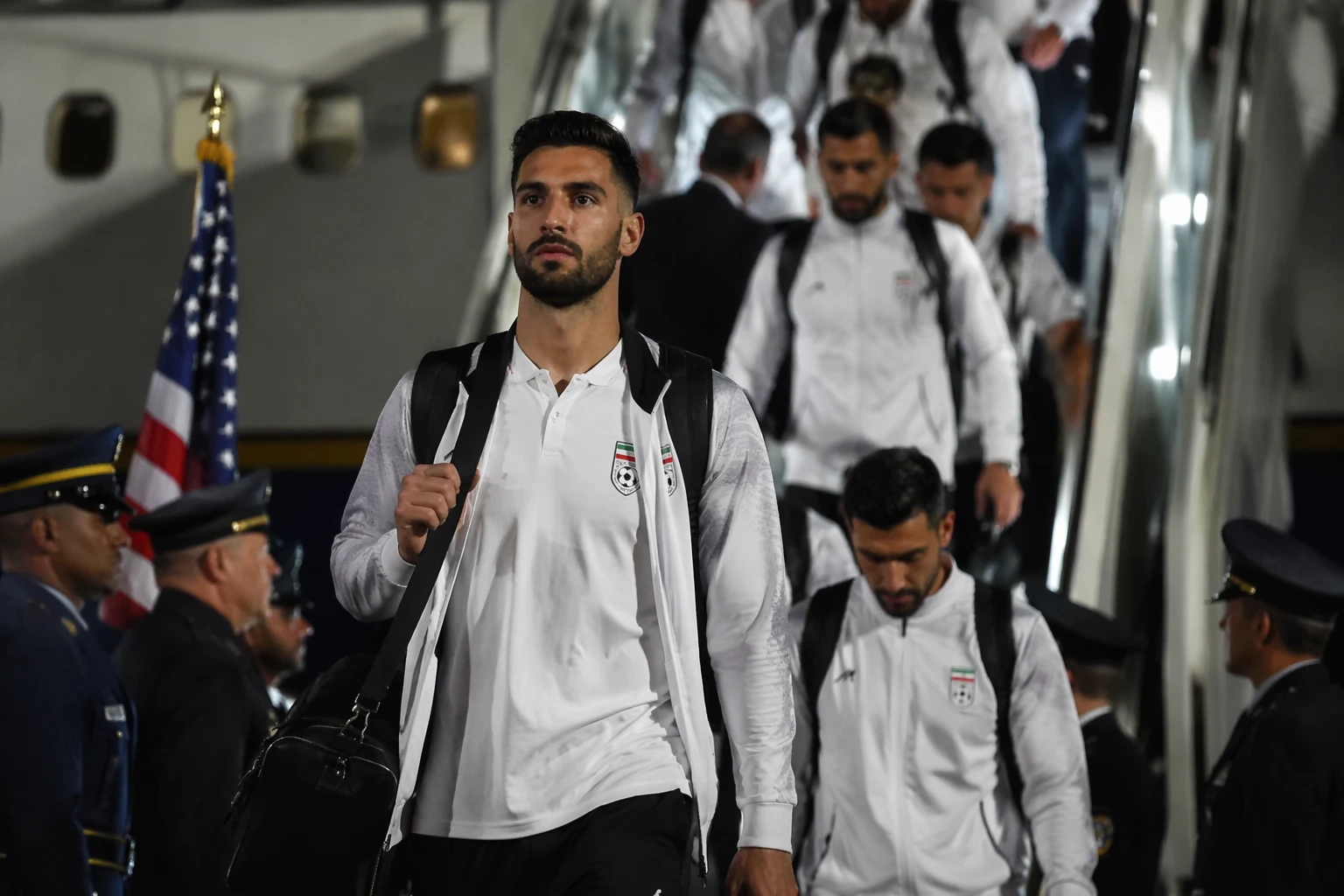
Iranian state-linked media said as many as 15 administration officials were denied U.S. entry, including federation head Mehdi Taj, deputy Mehdi Mohammad Nabi and media director Hedayat Mombeini. The denials became a flashpoint because they fell on the non-playing staff that helps manage logistics, communication and preparation at a tournament where movement and accreditation are tightly controlled.
U.S. officials said the visas needed for Iran to compete, including for athletes and necessary support staff, had been issued. The State Department also warned it would not allow the Iranian team to “abuse this system” to bring in terrorists, a line that reflected the broader immigration and security posture surrounding the event. Officials said they were monitoring possible ties to the Islamic Revolutionary Guard Corps.
Giuliani later said no players or coaches had been denied entry, only some officials, and defended the policy as a balance between access and security. He said there were “no credible threats” to the tournament at the time, and added, “To this point we’ve had 35 teams that have come into the United States. No players, no coaches have been denied.”
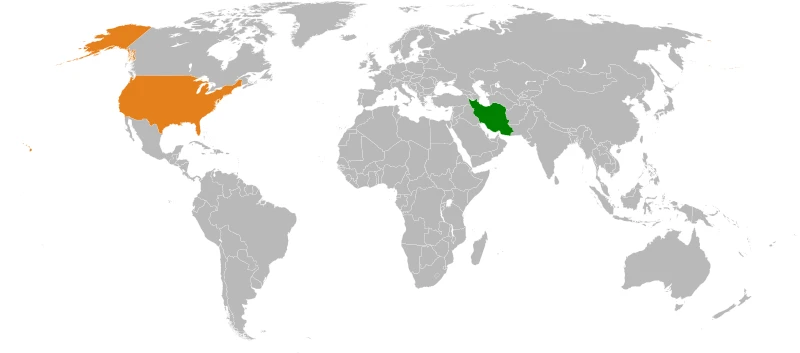
The dispute showed how quickly World Cup hosting obligations can collide with hardline immigration politics. Iran qualified by finishing first in its qualification group in March 2025, but its participation had already been in doubt before FIFA and U.S. officials confirmed visas for the team’s players. For Washington, the case became a stress test: admit the athletes, scrutinize the entourage, and draw a line where national security claims meet the demands of a global sports tournament.
Sources
- [1]cbsnews.com
- [2]politico.com
- [3]sports.yahoo.com
- [4]al-monitor.com
- [5]espn.com