World
U.S. allows Iranian oil sales for 60-day ceasefire deal
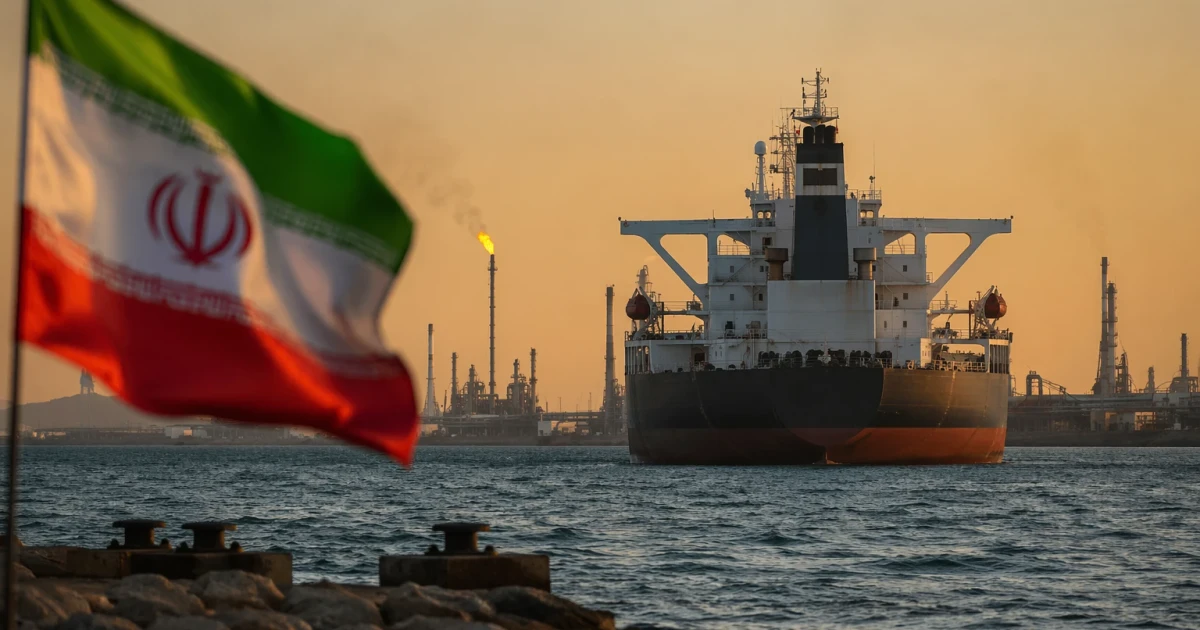
Treasury’s 60-day waiver has upended Washington’s long-running pressure campaign on Tehran, temporarily allowing the production, delivery and sale of Iranian crude oil and petroleum products as part of a tentative ceasefire deal. The general license runs through Aug. 21, giving Iran a short window to move oil again after months of tightening U.S. sanctions.
The reprieve is part of an interim U.S.-Iran agreement President Donald Trump signed on Wednesday, June 17, 2026. Officials said the deal is meant to end the war, keep negotiations going over Iran’s nuclear program and sanctions relief, and reopen the Strait of Hormuz, one of the world’s most important oil chokepoints. Iranian state media said Tehran would immediately take steps to reopen the strait once the tentative deal is signed, underscoring how closely the oil waiver is tied to the broader diplomatic bargain.
For Iran, the immediate benefit is clear: a return, however temporary, to exporting crude and petroleum products without the restrictions that have constrained sales and slashed revenue. Analysts tracking tankers had reported that Iranian exports fell sharply under renewed U.S. pressure in spring 2026, with some estimates saying shipments sank to near zero in May. That collapse erased billions of dollars in income and tightened the squeeze on a government that depends heavily on oil exports for hard currency.
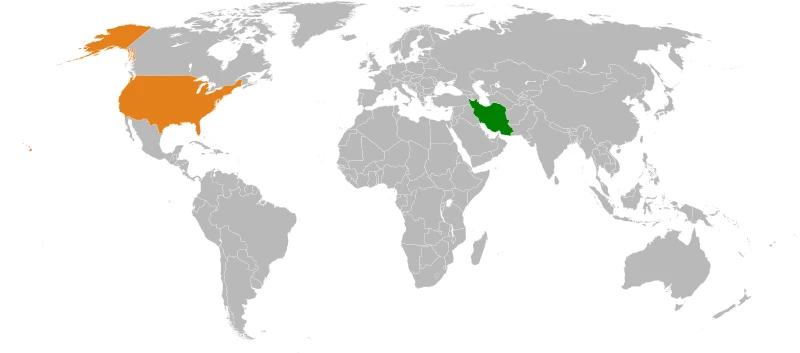
The policy shift is especially striking because U.S. officials had only recently been widening the sanctions net. Treasury targeted Iranian oil front companies and shipping facilitators in November 2025 and again in June 2026, moves aimed at cutting off money for Iran’s military and broader regional activities. The new waiver effectively pauses that campaign for 60 days while talks continue in Switzerland.
That reversal carries political risk at home and abroad. Critics, including some Republicans and hawkish commentators, argue the waiver hands Tehran a valuable bargaining chip just as U.S. leverage had been growing. Vice President JD Vance said the administration was “quite confident” sanctions on Iranian oil could be waived as part of a peace agreement without congressional approval, setting up a fight over how much authority the White House can wield as it trades economic pressure for a ceasefire.
Sources
- [1]nytimes.com
- [2]yahoo.com
- [3]apnews.com
- [4]thehill.com
- [5]home.treasury.gov