Politics
US and France clash over UN human rights chief’s second term
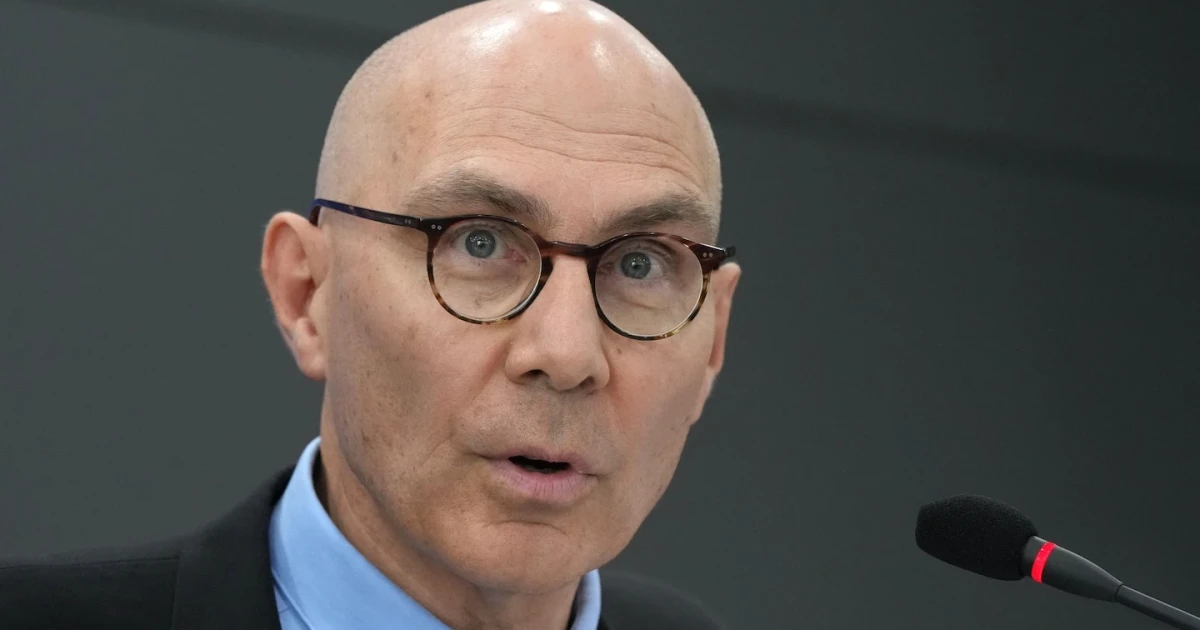
The United Nations General Assembly approved a four-year extension of Volker Türk’s mandate by a 144-10 vote, with the United States, Israel and Russia opposing his reappointment. The decision made Türk the first U.N. high commissioner for human rights to complete two full four-year terms since the post was created, and it turned a personnel vote into a public test of allied discipline.
Objections to Türk hardened around his criticism of Israel’s conduct in Gaza, where the human rights chief has pressed governments under growing international scrutiny. The office he leads is designed to examine abuses by governments, armed groups and powerful states alike, which is exactly why the post draws resistance when member states think its findings are too blunt, too cautious or too uneven. A second term matters because it can either reinforce the office’s independence or invite new pressure to narrow what it says and where it says it.
The dispute also exposed how easily Western unity can fray inside the United Nations. France criticized Washington’s human rights record in the same diplomatic atmosphere, and the U.S. delegation walked out during French remarks at a U.N. Security Council meeting on Ukraine. That escalation showed how a vote on one rights official can spill into wider arguments over double standards, allied credibility and who gets to set the tone on human rights enforcement.
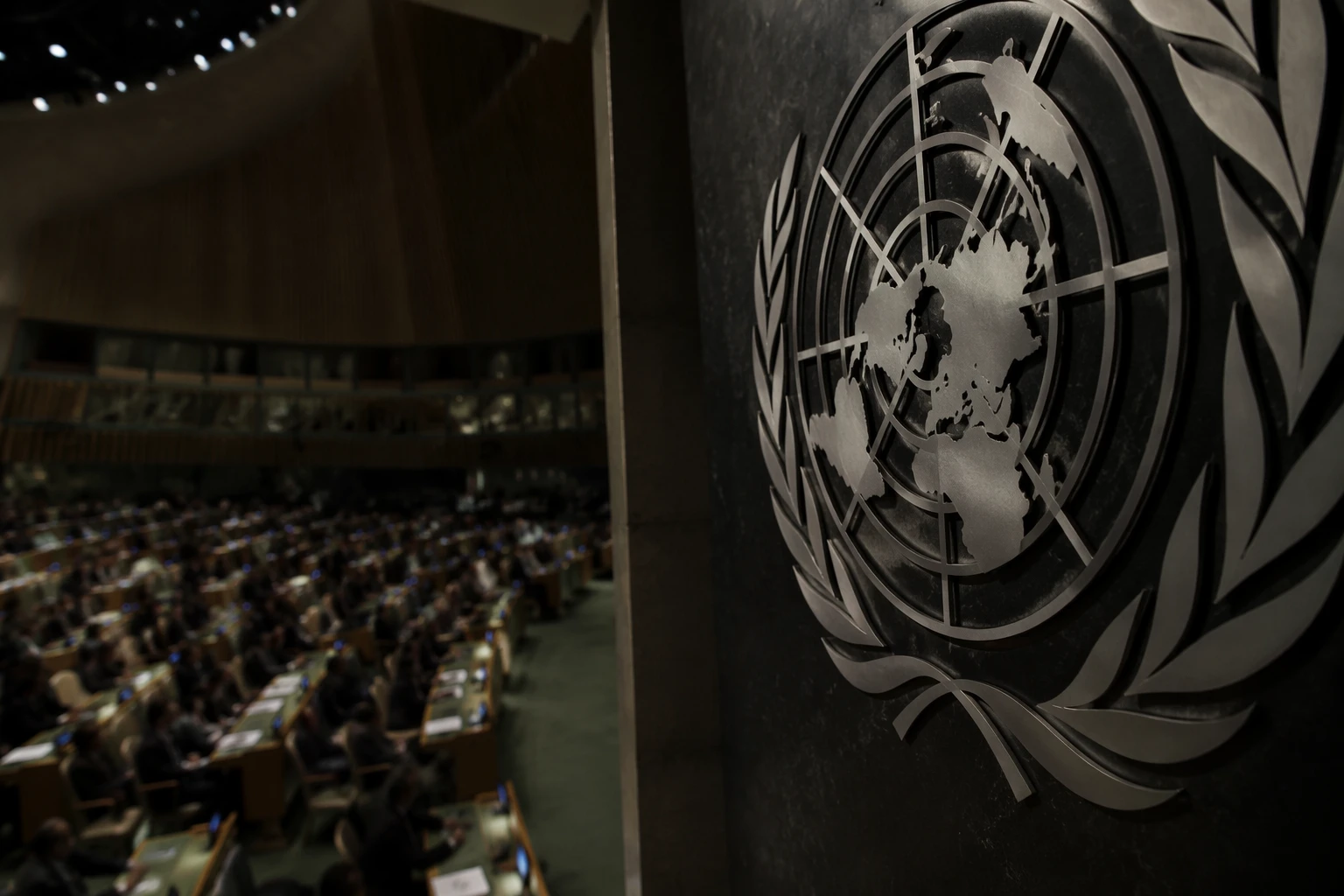
Türk has faced backlash before. Venezuela’s government-allied National Assembly declared him persona non grata in July 2025, a sign of how quickly governments under scrutiny move to discredit the office that names abuses. The U.N. rights machinery depends on support from the same member states it watches, a structural tension that becomes sharper in Geneva and New York when the agenda turns to accountability, sanctions and humanitarian access.
The latest fight leaves that contradiction in plain view. Washington and Paris both invoke human rights, but the clash over Türk’s second term showed how differently they want the U.N. to wield that authority, and how fragile multilateral enforcement becomes when allies stop speaking with one voice.
Sources
- [1]reuters.com
- [2]aljazeera.com
- [3]ohchr.org
- [4]abcnews.com
- [5]apnews.com