World
U.S. and India trade deal unlikely at G7, talks to continue later
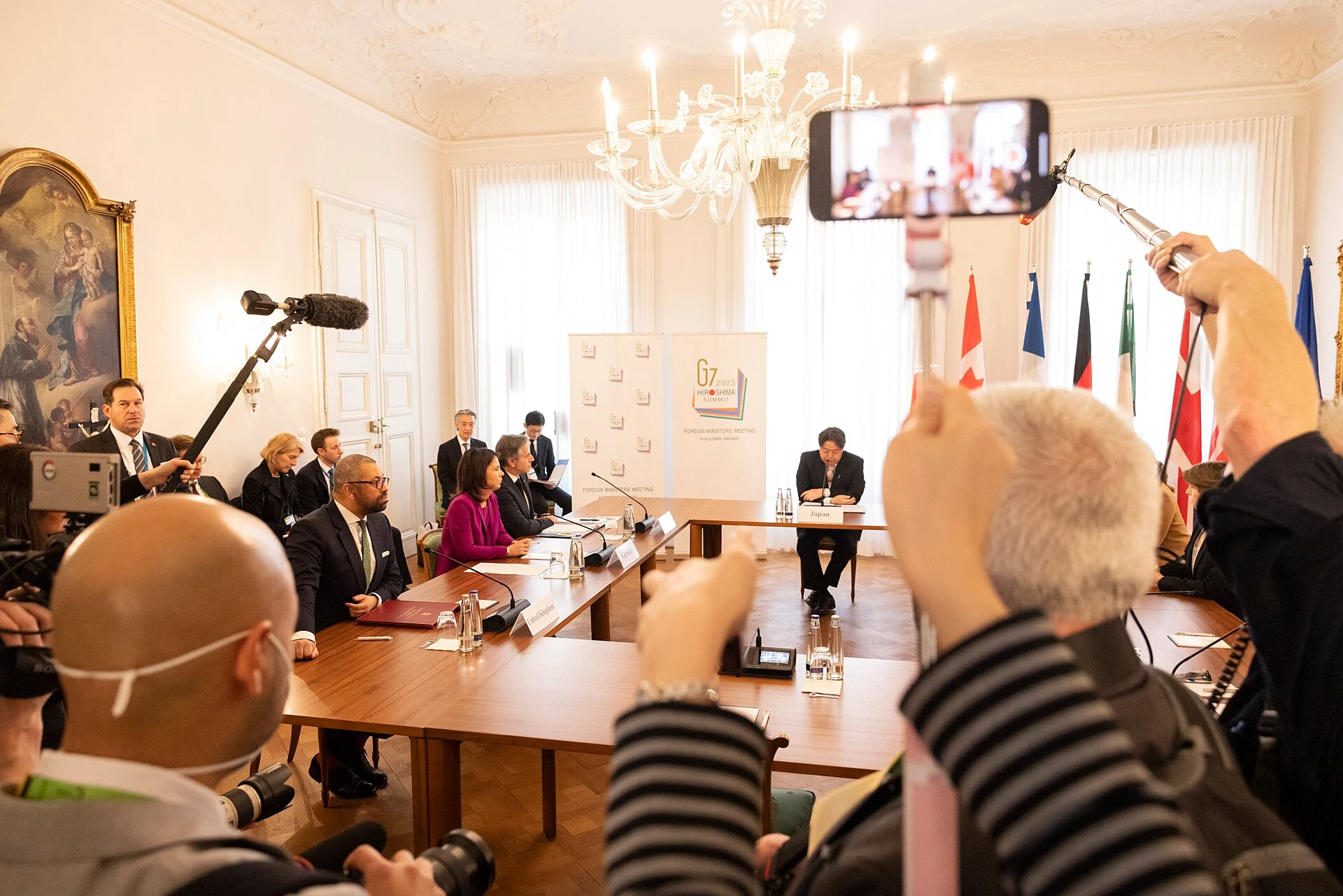
A U.S.-India trade deal was not expected to emerge from the Group of Seven summit in France, even as the two governments treated trade as one of the most consequential items on the agenda. The gap between summit optics and commercial reality was stark: officials wanted to show movement, but not at the cost of papering over tariff disputes, market-access demands and broader strategic tensions tied to supply chains and China competition.
The talks had already been moving for days before the summit. A U.S. delegation led by Assistant U.S. Trade Representative Brendan Lynch held negotiations in New Delhi from June 1 to June 4, with India’s commerce ministry saying the goal was to finalize an interim agreement and advance a wider bilateral trade pact that New Delhi said had been agreed in principle in February 2026. Indian officials have pressed for preferential tariff treatment and protection against future U.S. tariff moves before any deal is put into effect.
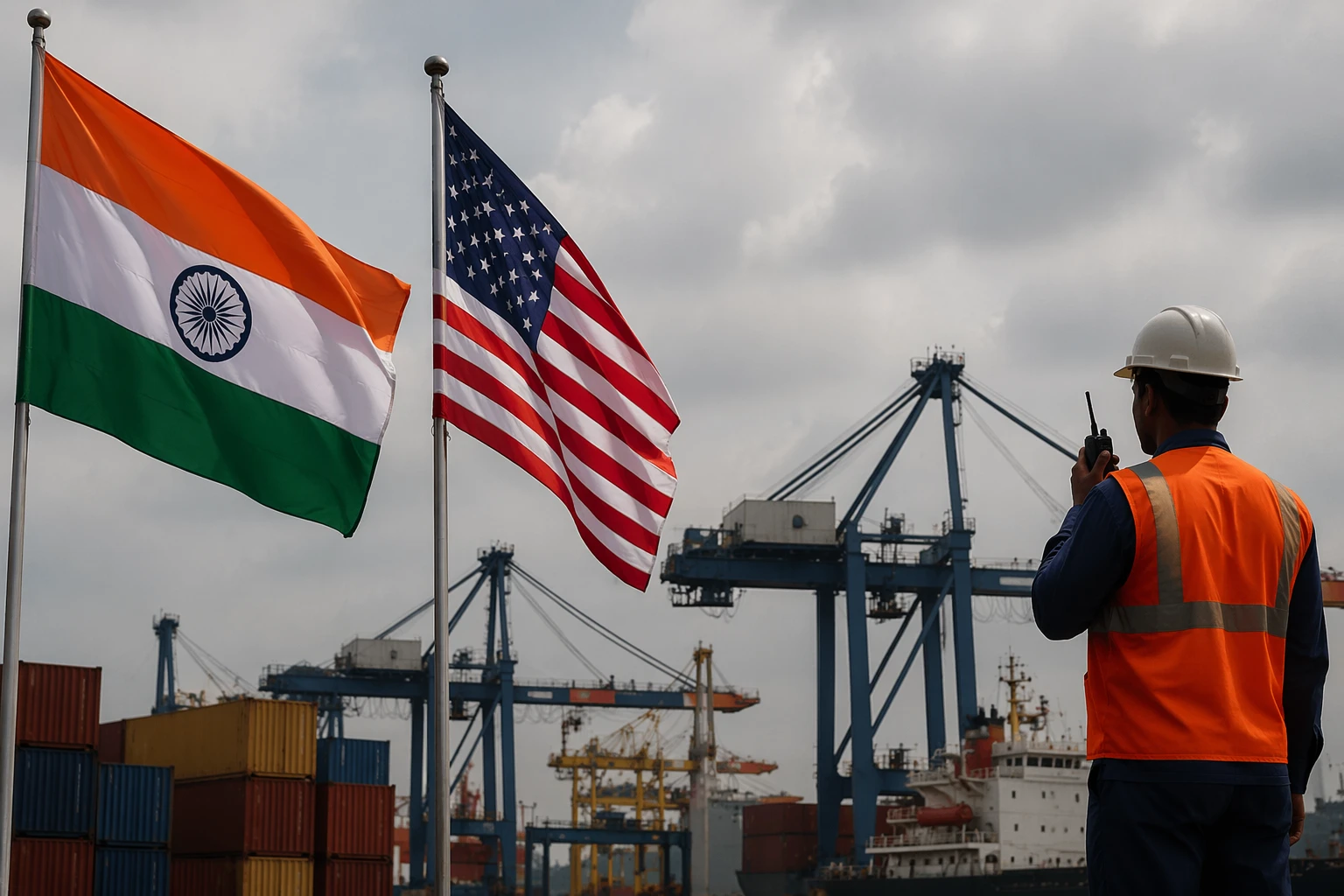
Those unresolved tariff issues remained central. On June 3, the United States proposed an additional 12.5% tariff on imports from India as part of a forced-labour-related action affecting 60 economies, a move that sharpened the pressure on negotiators as they worked through legal safeguards and market access terms. That backdrop helps explain why the two sides were still discussing Section 301 relief and not heading straight for a signing ceremony.
The diplomacy is set to continue beyond the summit. U.S. Trade Representative Jamieson Greer is expected to travel to India the week after the G7, signaling that both governments see enough value in the negotiations to keep them alive, but not enough agreement to rush them. Indian Prime Minister Narendra Modi was also expected to meet President Donald Trump on the sidelines of the summit to review the state of the talks, with trade and visas on the agenda rather than a finished pact.
Commerce and Industry Minister Piyush Goyal has said the first tranche of the India-U.S. bilateral trade pact could be executed by mid-July 2026, leaving the G7 as a checkpoint rather than a conclusion. For Washington and New Delhi, the stakes go beyond a single agreement: any eventual deal would shape tariff levels, market access and investment flows between two large economies while fitting into a broader strategic relationship that both sides still want to deepen.