World
U.S. and Iran agree on Hormuz hotline, Lebanon de-confliction channel

The most consequential outcome from the Swiss talks was not a grand bargain, but two technical safety lines meant to lower the odds of an accident turning into a wider war. U.S. and Iranian negotiators agreed to a Strait of Hormuz hotline and a Lebanon de-confliction cell after roughly 18 hours of talks at the Bürgenstock resort near Lucerne, mediators from Pakistan and Qatar said. They described the result as “encouraging progress” and said the sides had accepted a roadmap for a final deal within 60 days.
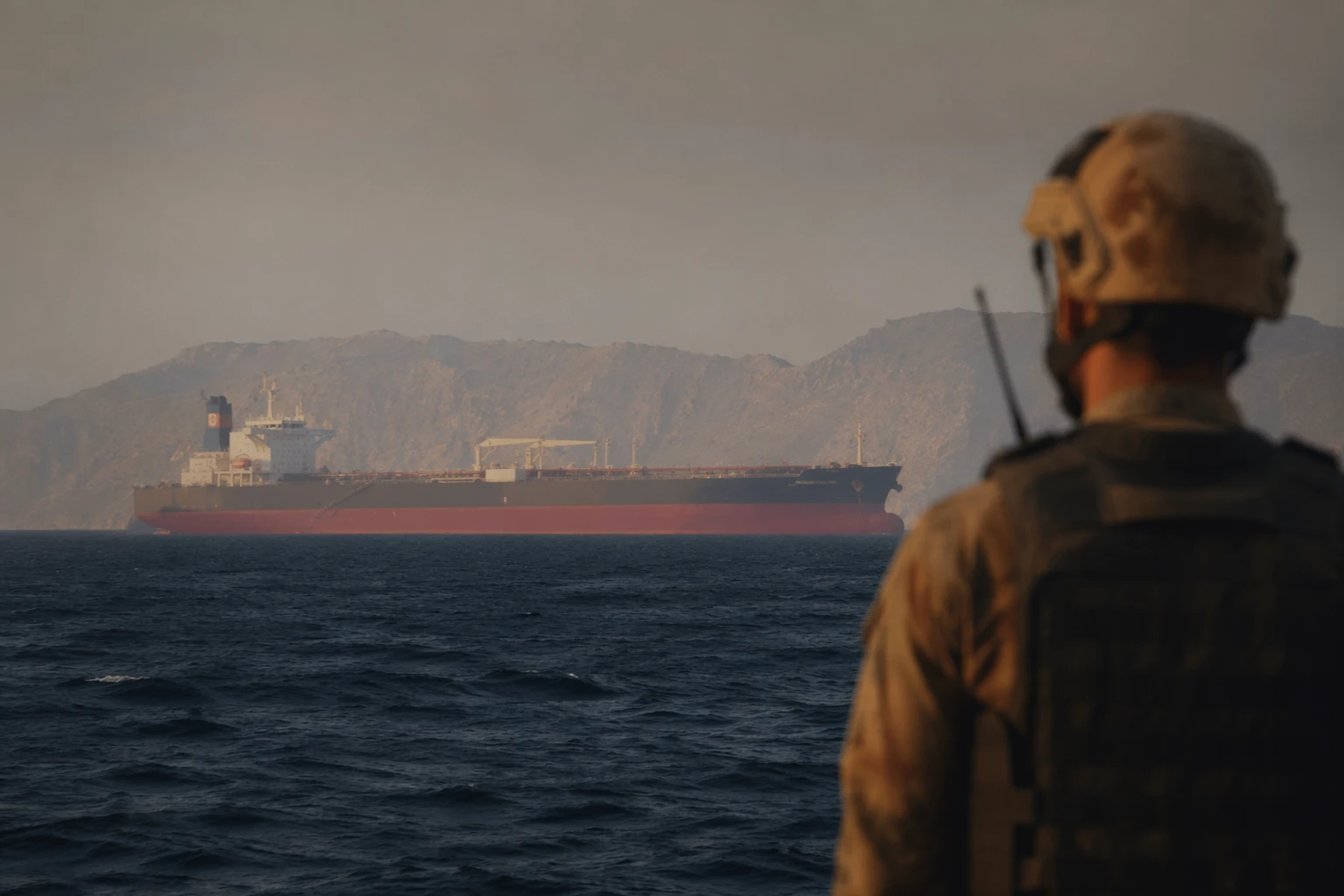
The Hormuz channel matters because the strait is one of the world’s most sensitive energy chokepoints. The International Energy Agency said an average of 20 million barrels per day of crude oil and oil products moved through the passage in 2025, while UNCTAD has said it carries around a quarter of global seaborne oil trade. A hotline in that corridor is designed to stop a single naval encounter, misread signal or shipping incident from escalating into a disruption that would reverberate far beyond the Gulf.
The Lebanon mechanism is equally practical. It is tied to efforts to halt fighting involving Israel and Hezbollah, and it comes after U.S.-facilitated Israeli-Lebanese talks on June 2 and 3 produced a ceasefire implementation framework, according to the State Department. That earlier track followed negotiations in May that set out a framework for lasting peace and security along the border. By adding a de-confliction cell, the Swiss talks appear aimed at managing military incidents while those broader ceasefire arrangements are still being tested on the ground.
Vice President JD Vance led the U.S. delegation, while senior Iranian negotiators represented Tehran. The talks took place under pressure from Donald Trump’s threats and from the ongoing conflict involving Israel and Hezbollah, conditions that made the technical safeguards more important than the summit language surrounding them. U.S. officials said the process will now move into technical talks, while Qatar and Pakistan continued to cast the Swiss round as a first-step breakthrough, not a final settlement.
Sources
- [1]nytimes.com
- [2]reuters.com
- [3]state.gov
- [4]iea.org
- [5]unctad.org