World
U.S. and Iran agree on Hormuz hotline, Lebanon de-confliction channel
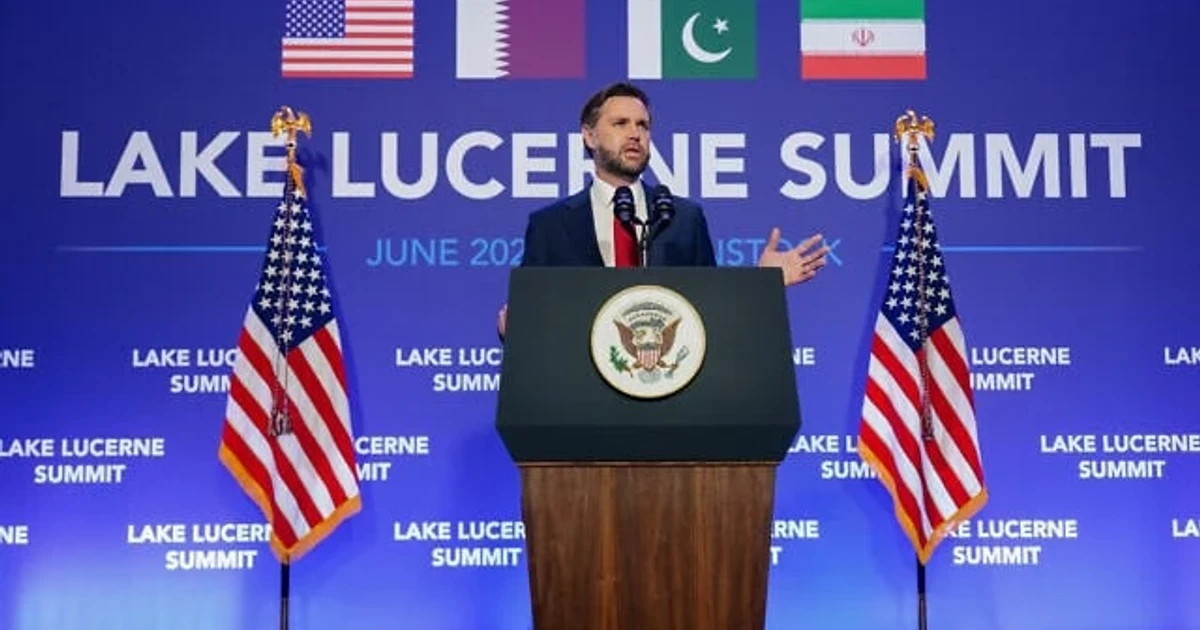
A direct communication line for the Strait of Hormuz and a de-confliction mechanism for Lebanon became the clearest outcome of high-level U.S.-Iran talks in Bürgenstock, Switzerland. Mediators from Pakistan and Qatar said the sides also made “encouraging progress” toward a 60-day roadmap for a final deal, signaling that the talks were as much about crisis management as diplomacy. The point was not grand rhetoric. It was to build technical guardrails strong enough to keep one naval or battlefield mistake from blowing up the entire process.
The U.S. delegation was led by JD Vance, while Iran’s side was headed by Mohammad Bagher Ghalibaf, with Abbas Araghchi also taking part. Mediators described the session as tense but constructive, and said lower-level technical talks were set to continue. In practical terms, that meant the negotiations were moving beyond statements and into the mechanics of preventing accidents, misread signals and escalation spirals.
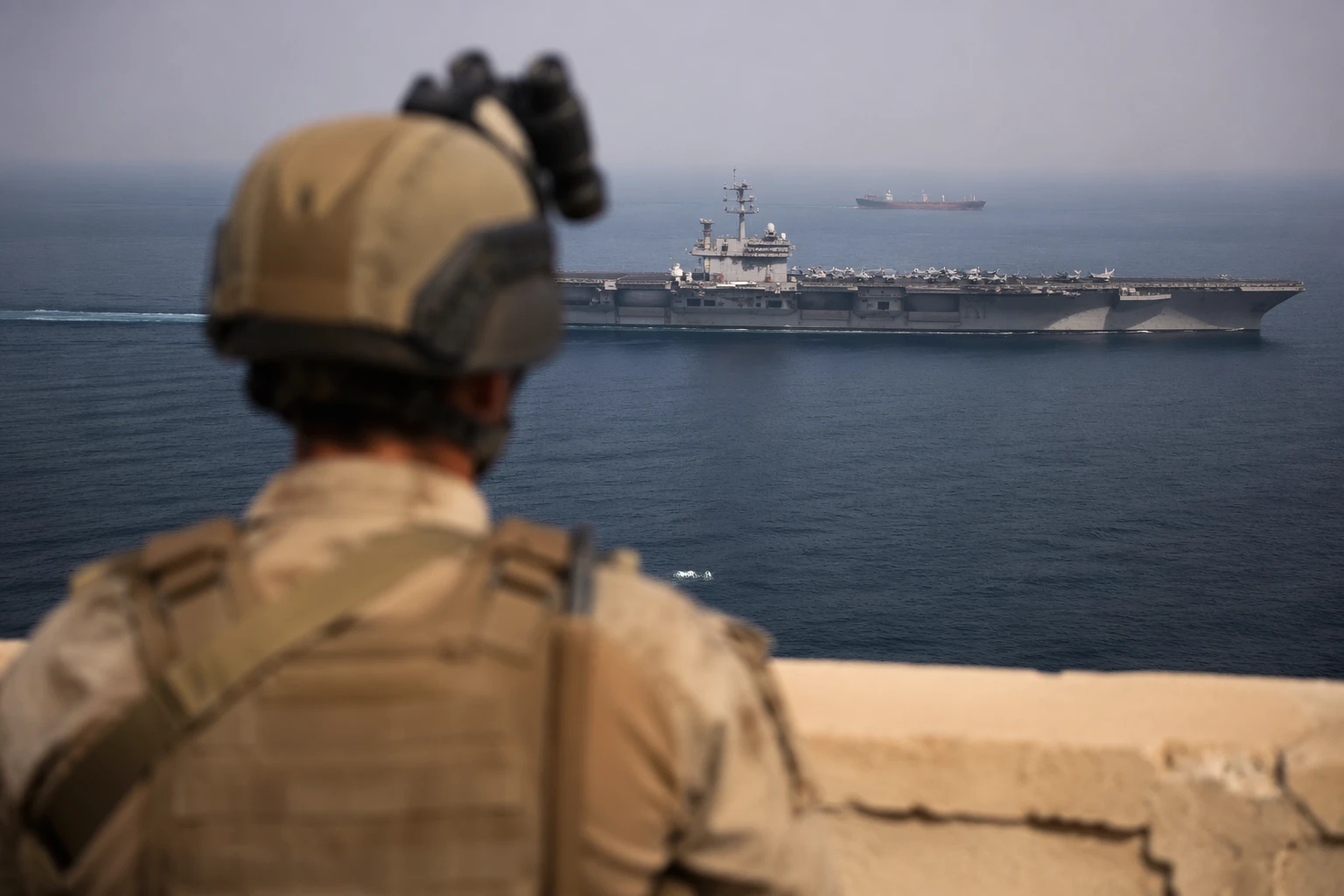
That urgency was plain in the Strait of Hormuz, one of the world’s most important energy chokepoints. Roughly a fifth of global LNG trade and about a quarter of the world’s seaborne oil trade moves through the waterway, making any disruption instantly global. The U.S. State Department said in May 2026 that Iran had threatened shipping there and that the United States, Bahrain, Saudi Arabia, the United Arab Emirates, Kuwait and Qatar drafted a UN Security Council resolution to defend freedom of navigation in the strait. A hotline in that corridor is meant to keep tankers moving and commanders from treating every radar contact as a provocation.
The Lebanon mechanism served a similar purpose on land. Described as a de-confliction cell, the channel was intended to prevent misunderstandings from reigniting military operations in a country where fighting between Israel and Hezbollah has repeatedly threatened to widen. Mediating countries were expected to facilitate the arrangement, though the parties did not immediately disclose whether the Hormuz line would be military-to-military or routed through intermediaries.
The architecture of the deal now rests on whether those channels can absorb pressure faster than the region can generate it. In a moment when shipping lanes, proxy forces and air strikes can all collide in hours, the value of the agreement lies in its narrowness: a hotline, a cell, and a 60-day clock built to keep a fragile diplomatic track alive.
Sources
- [1]nytimes.com
- [2]al-monitor.com
- [3]apnews.com
- [4]cnbc.com
- [5]state.gov
- [6]knowledge.energyinst.org