World
U.S. and Iran Agree to Ceasefire, Hormuz Strait to Reopen
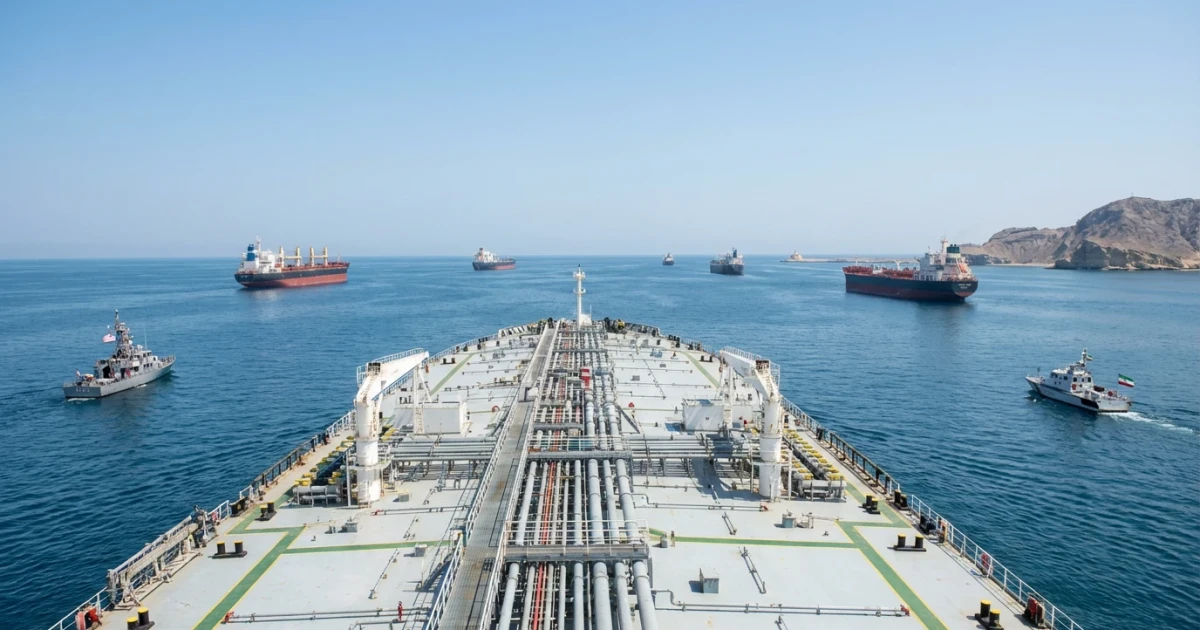
President Trump and Iranian leaders have reached an agreement on a two-week ceasefire that will see the reopening of the Strait of Hormuz, a critical maritime chokepoint for global oil shipments. The announcement, reported by Al Jazeera, marks a significant de-escalation in recent Middle East tensions that had threatened global energy supplies and market stability.
Ceasefire Terms and Immediate Impact
According to Al Jazeera, the ceasefire will last two weeks, during which both U.S. and Iranian forces agreed to halt hostilities in the region. In exchange, Iran has committed to reopening the Strait of Hormuz, restoring the flow of commercial shipping after days of disruption. The agreement comes after heightened tensions and military activity in the Persian Gulf, which had raised fears of a broader conflict and sent oil prices surging.
Why the Strait of Hormuz Matters
The Strait of Hormuz is widely regarded as the world’s most important oil transit chokepoint. According to the U.S. Energy Information Administration, about 21% of global petroleum liquids consumption passes through this narrow waterway, which connects the Persian Gulf to international markets. Any disruption can have swift and significant impacts on global oil and gas flows, energy prices, and shipping insurance costs.
- Roughly 20.5 million barrels per day of crude oil and other petroleum products flowed through the Strait in 2023.
- The waterway is vital for major oil exporters like Saudi Arabia, Iraq, the UAE, and Iran itself.
- Disruptions have previously caused sharp price spikes and fears of broader economic fallout.
Global Markets React
Financial markets responded positively to the announcement. Reports indicated that oil prices fell back from recent highs, reflecting investor relief that a prolonged closure of Hormuz—and the associated supply shock—would be averted. Analysts noted that even a short-term reopening was essential for stabilizing both spot and futures prices, as well as reassuring major importers in Asia, Europe, and North America.
Security and Diplomatic Dimensions
The ceasefire is seen as a diplomatic breakthrough after weeks of escalating rhetoric and military incidents in the region. The International Maritime Organization and shipping industry groups have repeatedly called for safe passage and de-escalation to protect commercial crews and vessels.
While the truce is temporary, it establishes a framework for potential further talks. The reopening of the Strait underlines the mutual economic interests at stake—not only for Iran, which relies on oil exports, but also for global consumers dependent on uninterrupted energy flows.
Looking Ahead
With the ceasefire set for two weeks, attention will shift to whether both sides can use the pause to negotiate a longer-term diplomatic solution or risk a return to confrontation. The international community will closely monitor compliance, while energy markets remain sensitive to any renewed instability or threats to the Strait’s security.
For now, the reopening of the Strait of Hormuz offers a reprieve for global shipping and energy supply chains, highlighting the enduring significance of this strategic passage in the world economy. For more on the Strait’s role and risks, explore the OPEC summary of oil transit chokepoints.