World
U.S. and Iran agree to extend ceasefire, reopen Strait of Hormuz
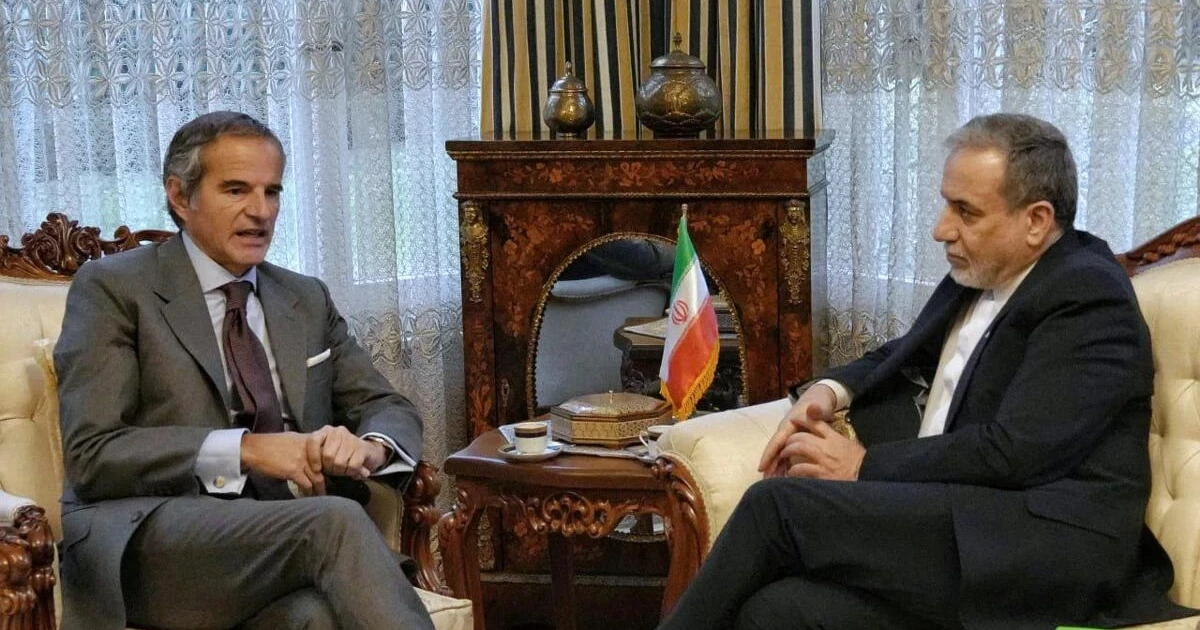
Oil prices fell after the United States and Iran agreed to extend their ceasefire and reopen the Strait of Hormuz, a move that could help steady fuel costs, unclog shipping lanes and reduce the risk of a wider regional war. For Americans, the immediate stakes were clear: a calmer Middle East could ease pressure on gasoline prices and inflation, while a breakdown would leave global energy markets exposed again.
The agreement set out a 60-day framework for keeping the ceasefire in place, with a formal signing ceremony expected Friday in Switzerland and nuclear talks to follow. Donald Trump said Iran’s leadership had approved a draft agreement, although Tehran initially did not confirm final acceptance. Iran’s foreign minister, Abbas Araghchi, said a deal had “never been closer.”
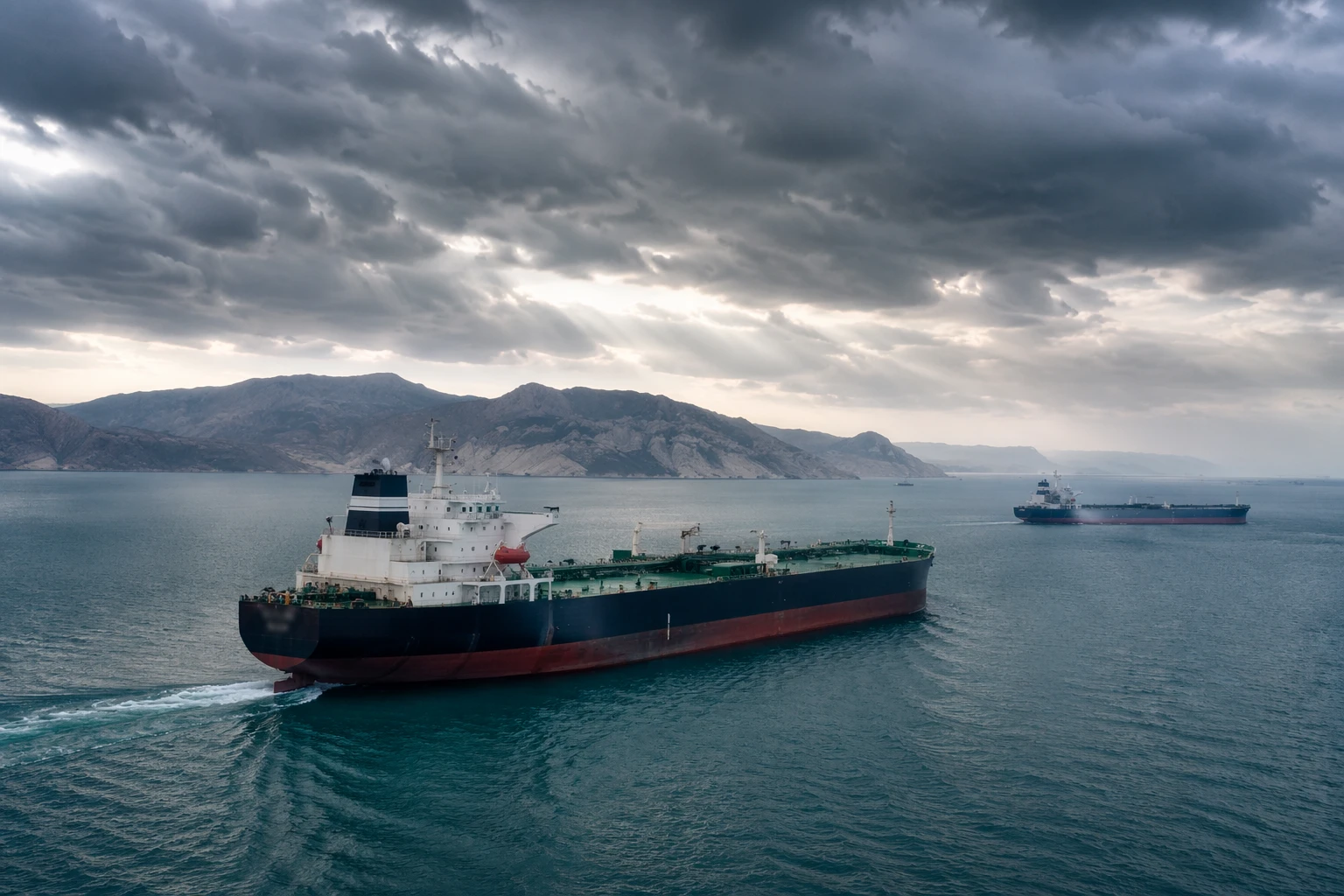
The Strait of Hormuz remains one of the world’s most important energy chokepoints. The International Energy Agency says the passage is only 29 nautical miles wide at its narrowest point, and about 20 million barrels a day of crude oil and oil products moved through it in 2025. The U.S. Energy Information Administration said flows through the strait averaged 20 million barrels a day in 2024, equal to about 20% of global petroleum liquids consumption. Reopening the waterway after months of conflict could give refiners, shippers and traders a faster route back to normal operations.
The diplomatic fallout was immediate. António Guterres, the U.N. secretary-general, called the deal a “critical step” and said it provided for an immediate and permanent ceasefire, the reopening of the strait and a framework for further negotiations. Britain, France, Germany and Italy said Iran must never acquire a nuclear weapon and said they were ready to work with the United States, Iran and the IAEA.
The deal also underscored how much the conflict had already warped the global economy. Reduced traffic through Hormuz had disrupted energy supply during the war, and Gulf states had scrambled to accelerate alternative export routes. If the ceasefire holds and the strait stays open, the payoff could be immediate: lower shipping risk, softer oil prices and a better chance of containing a fight that had threatened to spill far beyond the Gulf.
Sources
- [1]news.google.com
- [2]axios.com
- [3]now.cnn.com
- [4]iea.org
- [5]eia.gov
- [6]news.un.org
- [7]al-monitor.com