World
U.S. and Iran agree to Hormuz hotline and Lebanon de-confliction cell
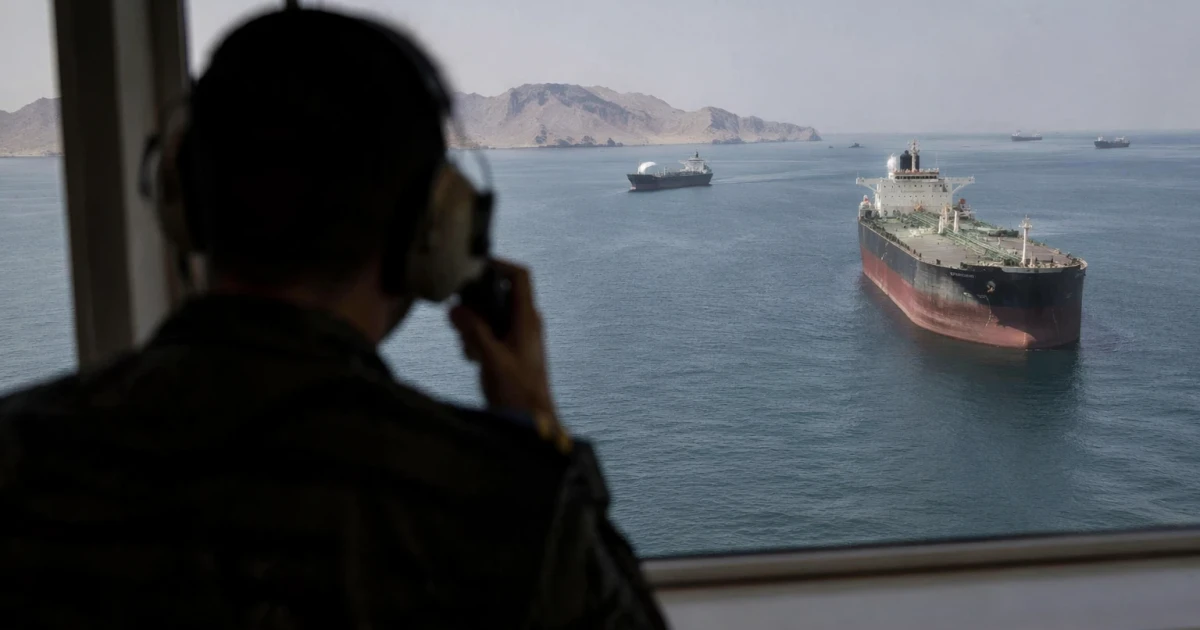
A hotline across the Strait of Hormuz and a de-confliction cell for Lebanon were set up as practical safeguards, not symbolic gestures, after U.S. and Iranian officials finished their first round of high-level talks in Switzerland. Mediators from Pakistan and Qatar said the arrangement was part of “encouraging progress” and a 60-day roadmap toward a final deal, with technical talks to begin immediately.
The logic is clear in the geography. The Strait of Hormuz remains one of the world’s most exposed energy chokepoints, with only 2-mile-wide navigable channels in each direction. The International Energy Agency said an average of 20 million barrels per day of crude oil and oil products moved through the strait in 2025, while the U.S. Energy Information Administration put first-half 2025 flows at 20.9 million barrels per day, or about 20% of global petroleum liquids consumption.
That makes the hotline more than a diplomatic nicety. It is designed to reduce the chance that a naval incident, missile launch, seizure of a tanker, or mistaken warning in the waterway could trigger a retaliatory spiral and collapse the broader negotiating track. The Lebanon cell serves the same purpose on a second front, giving the sides a way to manage military incidents there before they can spill into the talks or broaden into a regional confrontation.
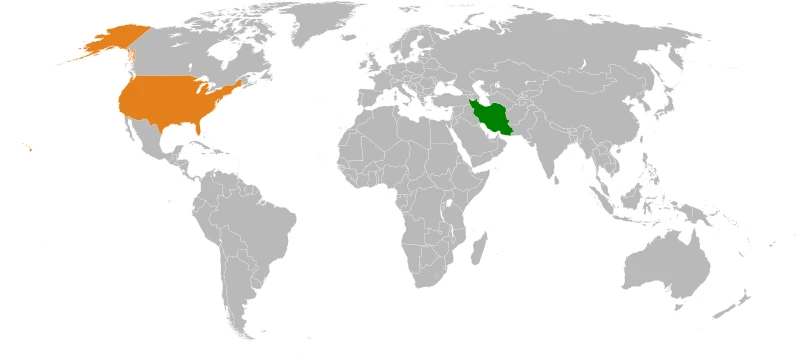
The negotiations took place at the Bürgenstock resort near Lucerne, Switzerland, and ended June 22, 2026 after the opening round between high-ranking U.S. and Iranian officials. The talks began under strain. President Donald Trump publicly threatened to resume attacks on Iran, while Iranian officials said the Strait of Hormuz had again been closed because of continued Israeli military operations in Lebanon.
Those pressures made the new guardrails the most concrete outcome so far. Rather than waiting for a crisis to test the diplomacy, the sides moved to build channels for rapid contact in the two theaters most likely to blow up the process. For now, the test is whether the hotline for Hormuz and the Lebanon de-confliction cell can hold if the next incident comes quickly and the rhetoric hardens again.
Sources
- [1]nytimes.com
- [2]reuters.com
- [3]iea.org
- [4]eia.gov
- [5]channelnewsasia.com
- [6]al-monitor.com