World
U.S. and Iran begin nuclear talks in Switzerland amid regional violence
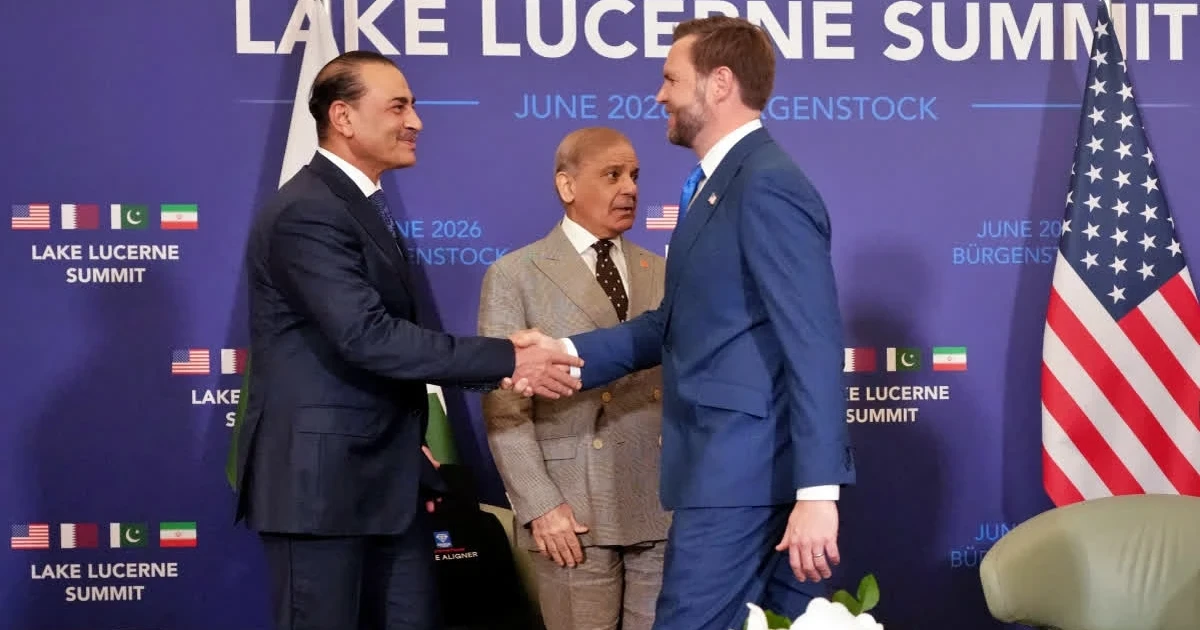
A high-stakes diplomatic opening in the Swiss Alps began under two very different messages from Washington. JD Vance arrived at the Bürgenstock resort overlooking Lake Lucerne with a call to “turn over a new leaf,” even as Donald Trump warned online that Iran must stop its “highly paid PROXIES in Lebanon” or the United States would hit Iran “very hard again.”
The American delegation met Iranian officials including Foreign Minister Abbas Araghchi and parliamentary speaker Mohammad Bagher Qalibaf at the mountainside resort near Obbürgen, Switzerland. Steve Witkoff and Jared Kushner were also part of the U.S. side, while officials from Qatar and Pakistan were involved in the diplomacy. Vance described the session as historic and said there was still an opening to reset U.S.-Iran relations, but the president’s threat cut in the opposite direction and risked undercutting that message.
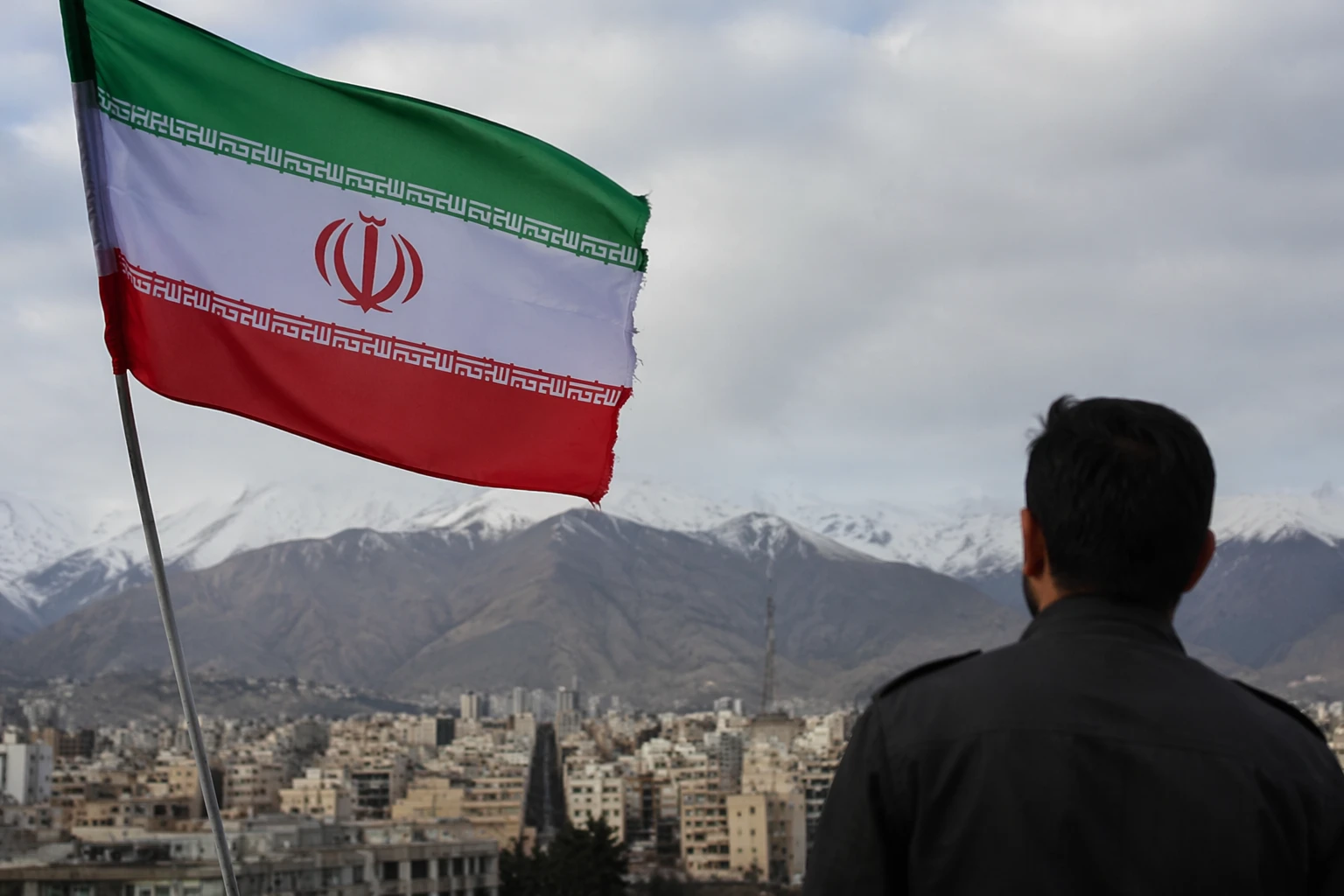
The talks were built around a two-month interim agreement meant to end the Iran war and address Tehran’s nuclear program. They also touched the fate of oil traffic through the Strait of Hormuz, a narrow waterway through which roughly a fifth of the world’s traded oil passes. Iran has threatened to close the strait in response to the fighting, while U.S. Central Command has said Iran does not control it and denied that it has been shut.
The diplomacy unfolded against a volatile regional backdrop. Iranian officials had already delayed traveling to Switzerland after Israeli strikes on Iran-backed Hezbollah militants in Lebanon, and the negotiations remained tied to the fragile cease-fire between Israel and Hezbollah that took effect June 19. Even after the truce, Israeli strikes were still reported, and the Israeli military said its troops in southern Lebanon were free to act against threats.
That contradiction, between conciliation and coercion, matters for more than tone. For Tehran, a split message from the White House can blur whether the talks represent a genuine diplomatic opening or an ultimatum wrapped in negotiation. It can also unsettle allies and intermediaries, especially Qatar and Pakistan, whose roles depend on Washington speaking with one clear voice.
The broader U.S.-Iran track has been deadlocked for years, with Iran refusing to discuss wider American and Israeli demands that it scale back its missile program and sever ties with armed groups. The Swiss talks offered a narrow window to test whether the two sides can move beyond that impasse before violence in Lebanon and uncertainty in the Strait of Hormuz close it again.
Sources
- [1]nytimes.com
- [2]newsday.com
- [3]usnews.com
- [4]nst.com.my
- [5]rferl.org
- [6]pbs.org