World
US and Iran clash over whether Strait of Hormuz is open
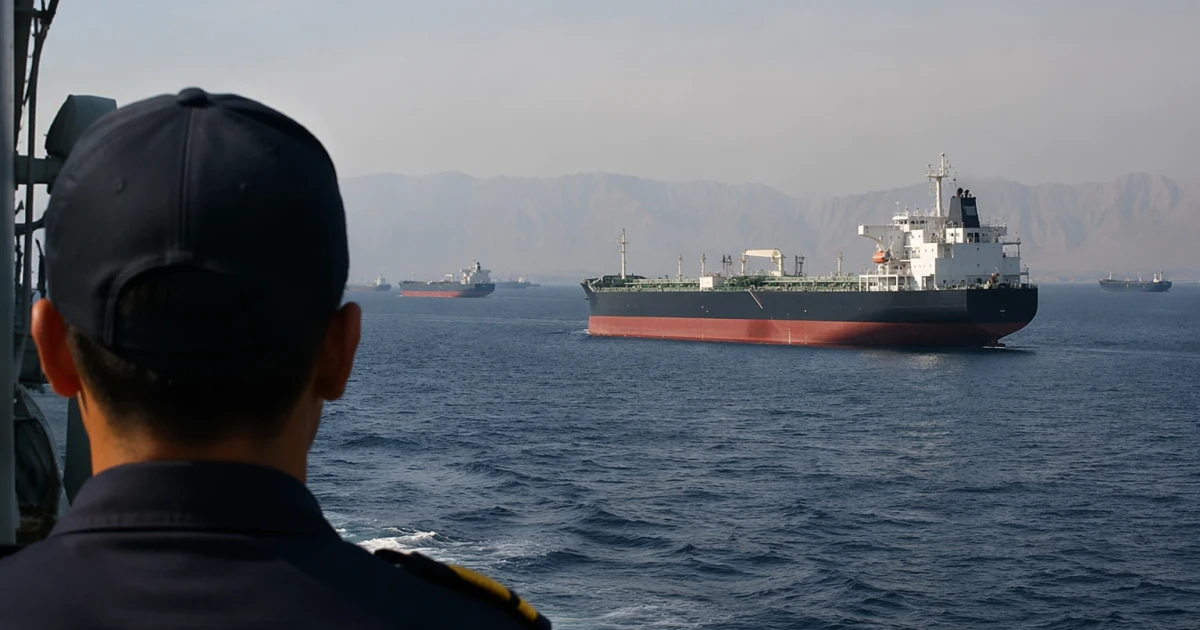
The real stakes are not the rhetoric but whether tankers can move, insurers will cover them and refineries can count on deliveries from one of the world’s most important energy chokepoints. Conflicting U.S. and Iranian claims over the Strait of Hormuz have left traders, shippers and diplomats trying to determine whether the waterway is truly open or only being described that way for leverage.
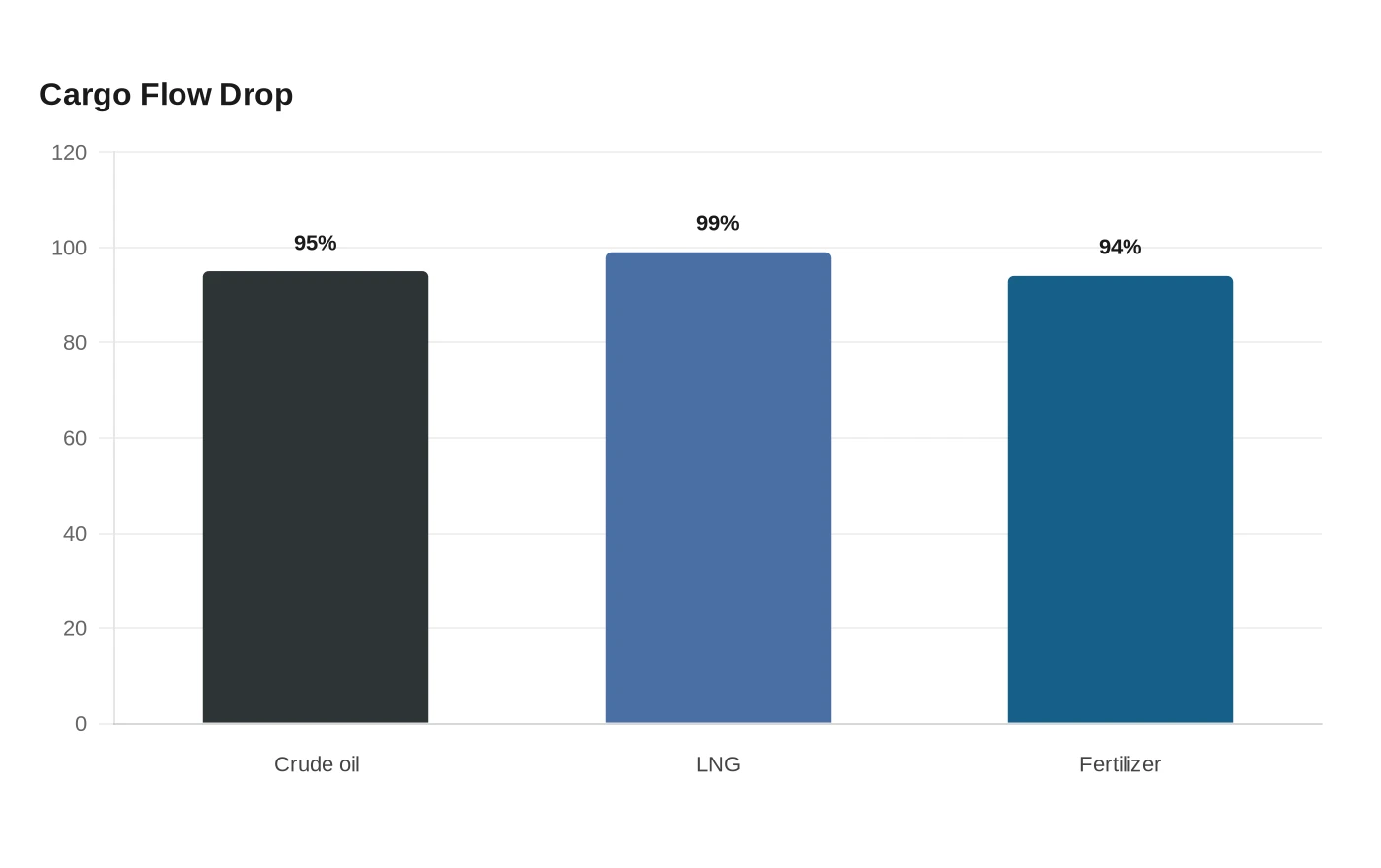
The uncertainty matters because the strait carries a huge share of seaborne energy trade, including oil and liquefied natural gas. Before the conflict, it handled roughly 20% to 33% of global seaborne volumes in some affected cargo categories. After the February 28, 2026 closure, a World Trade Organization data tracker showed outbound crude oil flows down 95%, LNG flows down 99% and fertilizer-related cargoes down 94%, a collapse that rippled through supply chains far beyond the Persian Gulf.
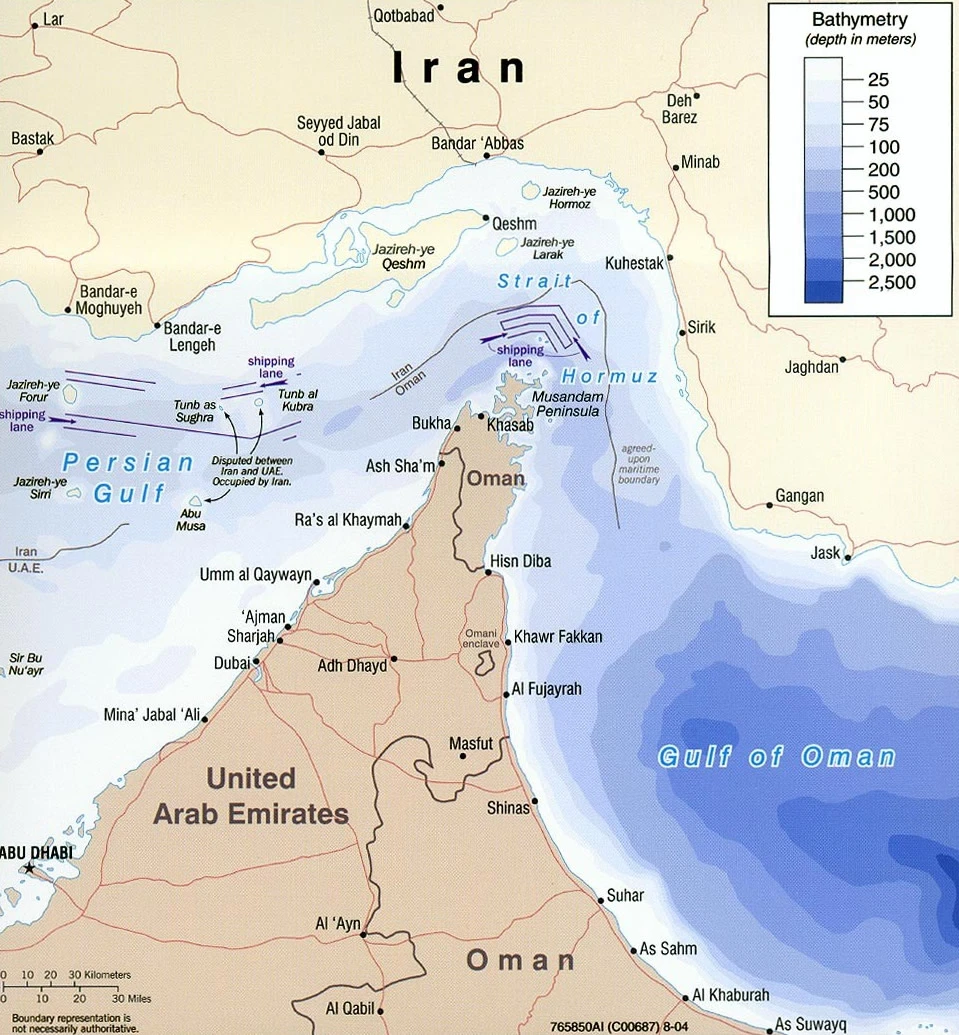
President Donald Trump said the Strait of Hormuz would reopen upon signing the deal, but the U.S. and Iranian militaries are still offering different accounts of what is actually happening on the water. Iran’s joint military command said the strait was closed again in response to Israeli strikes in Lebanon and what it called U.S. “bad faith.” Iranian state television said “subsequent steps have been planned” if the situation continues, while the U.S. has denied the Iranian claims.
The diplomatic picture is just as unsettled. Vice President JD Vance was in Switzerland for talks with the Iranian delegation and mediators from Pakistan and Qatar, and negotiators reportedly had less than two months to work out the technical details of the interim agreement. Reuters-cited reporting said the draft framework discussed lifting U.S. oil sanctions on Tehran and reopening the strait within 30 days, with European governments signaling possible sanctions relief if Iran took verifiable steps on its nuclear program.
Markets have already reacted to the shifting signals. WTI futures fell to around $80 a barrel after the initial agreement announcement, and leaders from the United Kingdom, France, Germany and Italy welcomed the deal while pressing for unconditional, unrestricted freedom of navigation through the strait. Even if the waterway reopens on paper, shipping analysts and other experts say oil flows could take weeks or months to normalize as tanker schedules, insurance, terminal operations and commercial routing slowly come back into alignment.
Sources
- [1]nytimes.com
- [2]cnbc.com
- [3]datalab.wto.org
- [4]apnews.com