World
US and Iran discuss interim deal on ceasefire, sanctions, nuclear talks
Washington and Tehran are selling the same draft as a win, but the substance is narrower than the rhetoric. The memorandum of understanding now under discussion is being cast as an interim framework, not a peace treaty, with provisions meant to pause the crisis, not settle it.
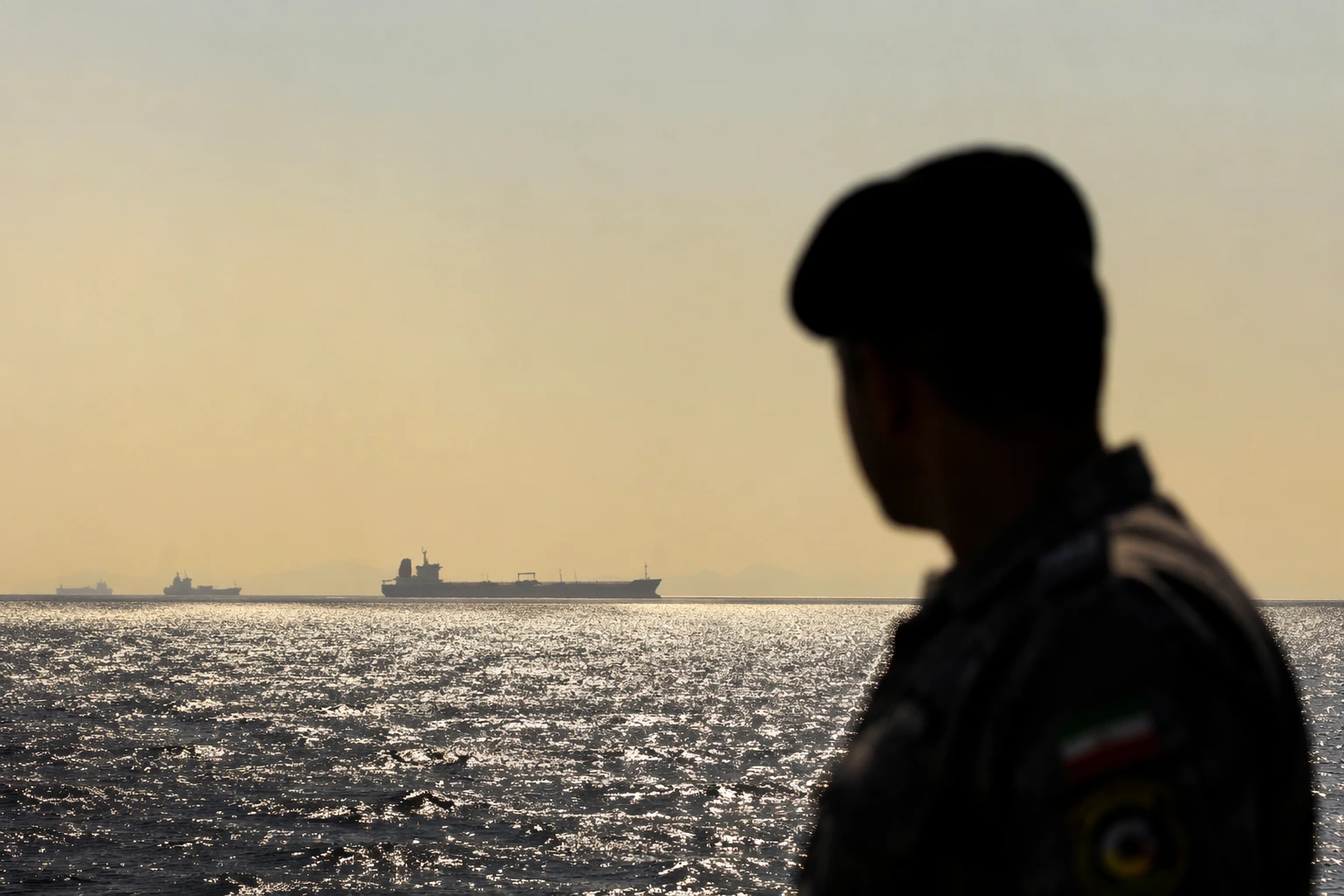
The reported outline would extend the ceasefire for 60 days, or in some accounts create a 30-day window for more detailed talks, while a separate accord would handle the nuclear file. Axios described the draft as requiring the Strait of Hormuz to reopen immediately without tolls and linking sanctions relief to Iranian compliance. ABC News said the one-page memorandum on the table would see Iran ease its grip on the strait while the United States gradually lifted its naval blockade of Iranian ports over 30 days.
The details suggest a deal designed to buy time. Reported provisions include a moratorium on nuclear enrichment, the shipment of Iran’s highly enriched uranium stockpile out of the country, enhanced inspections and possible snap inspections by the U.N., and sanctions relief tied to compliance. Other descriptions said Iran could be allowed to enrich uranium to 3.67 percent at the end of the negotiation period. One reported clause went further, saying the arrangement would end the war throughout the region, including in Lebanon.
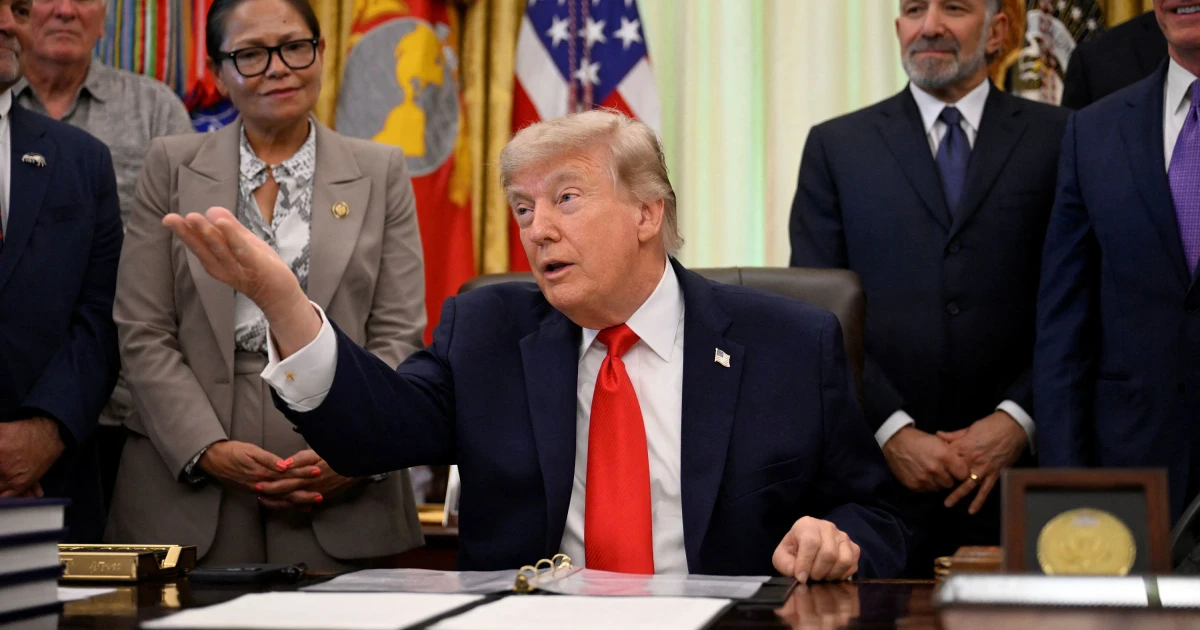
The politics around the draft are as important as the text itself. Reuters reporting said the wording had been agreed, but President Donald Trump still had to approve it. Iranian officials also denied that a final agreement had been reached. At the same time, Pakistani Prime Minister Shehbaz Sharif said the “final, agreed upon text” had been reached, underscoring how different capitals are trying to claim momentum from the same set of talks.
The emerging memorandum was reported to contain 14 points and to have been shaped by Trump envoys Steve Witkoff and Jared Kushner with Iranian officials. A Reuters-backed account said the United States was seeking a moratorium on all uranium enrichment by Iran for at least 12 years, a demand that shows how far apart the sides remain even as they search for a formula that can be sold as progress.
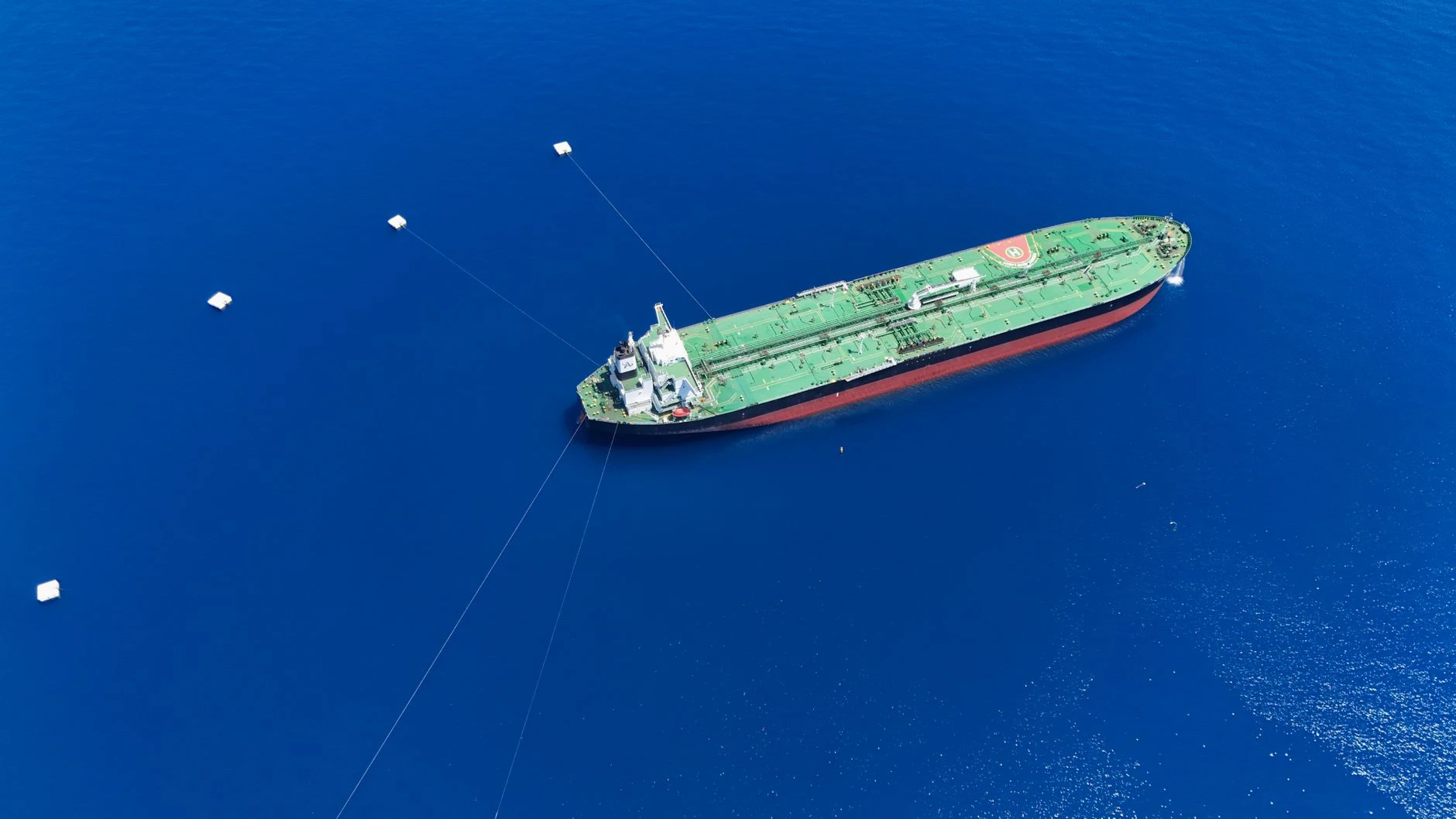
The larger stakes reach beyond the negotiating table. The Strait of Hormuz is a critical shipping lane for global energy flows, so any promise to reopen it without tolls or relax transit restrictions carries immediate market implications. The diplomacy also sits in the shadow of the 2015 nuclear accord, the Joint Comprehensive Plan of Action, signed on July 14, 2015 and formally adopted on October 18, 2015 before the United States withdrew in 2018. Since then, Iran has exceeded key nuclear limits, and the U.N. atomic watchdog board has demanded that Tehran fully cooperate and provide complete information about its nuclear material. That pressure leaves little room for ambiguity: the next document will either constrain Iran’s program or simply postpone the next confrontation.
Sources
- [1]nytimes.com
- [2]axios.com
- [3]reuters.com
- [4]abcnews.com
- [5]timesofisrael.com
- [6]al-monitor.com
- [7]cfr.org
- [8]apnews.com