World
U.S. and Iran discuss peace memorandum as talks advance
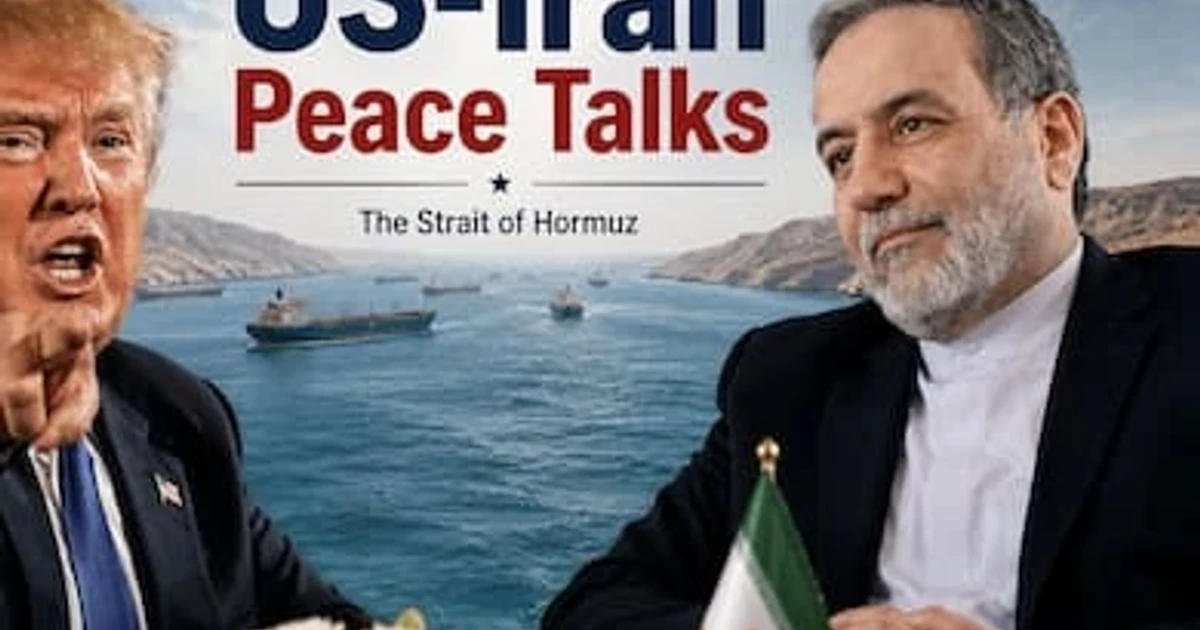
A text that both Washington and Tehran wanted to sell as progress was circulating on Thursday, but the substance looked closer to a fragile stopgap than a finished peace accord. A senior U.S. administration official said a draft was already in place that both sides liked, while Iran’s decision-making bodies were meeting to weigh the memorandum and Pakistan said a final peace-agreement text had been reached and next steps were being worked out.
The narrowest reading is that the talks were trying to freeze the most dangerous parts of the conflict without settling them. Earlier reporting described a 60-day truce framework pending Donald Trump’s approval, with the Strait of Hormuz, sanctions relief and a timetable for more negotiations left for later. Another account said the one-page memorandum would have Iran ease its grip on the strait while the United States gradually lifted its naval blockade of Iranian ports over 30 days, with transit tolls also under discussion.
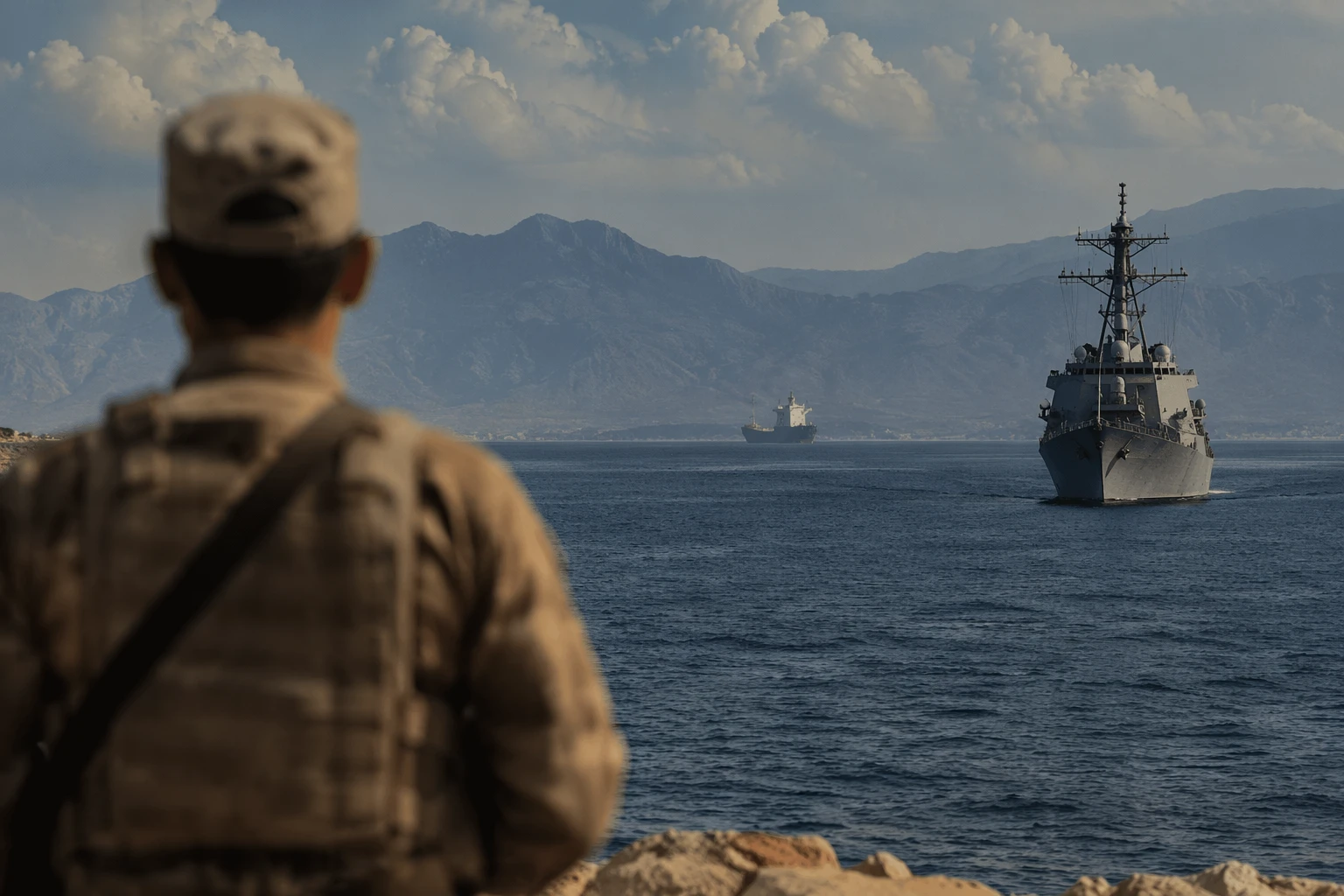
That makes the political incentives plain. Leaked terms were said to favor Iran, prompting Trump to dismiss the reports as inaccurate, while both governments still had reason to frame any draft as a win. The Soufan Center said on June 1 that efforts to present a potential war-ending agreement as a victory were slowing finalization, and Trump wanted the Hormuz passage reopened immediately, along with specific timing and scope for Iran’s nuclear commitments.
The broader stakes go well beyond one memorandum. The 2015 Joint Comprehensive Plan of Action traded sanctions relief for tight limits on uranium enrichment, stockpile levels, centrifuge use and International Atomic Energy Agency monitoring, but the United States withdrew in 2018 and Iran later scaled back compliance. In June 2025, the United Nations warned that key provisions under Resolution 2231 were due to expire on October 18 unless the Security Council acted, even after five Oman-mediated rounds failed to restore full implementation and a sixth round was canceled because of hostilities.
What remains unresolved now is whether this is a true diplomatic breakthrough or a political arrangement built for mutual messaging. Sanctions relief, access to frozen Iranian funds, control over the Strait of Hormuz and nuclear restrictions are still the real bargaining chips, and Geneva has emerged as the likeliest signing venue if the current draft survives the final round of pressure.
Sources
- [1]nytimes.com
- [2]usnews.com
- [3]aljazeera.com
- [4]abcnews.com
- [5]news.un.org
- [6]thesoufancenter.org
- [7]malaymail.com