World
U.S. and Iran edge toward interim deal on Strait of Hormuz
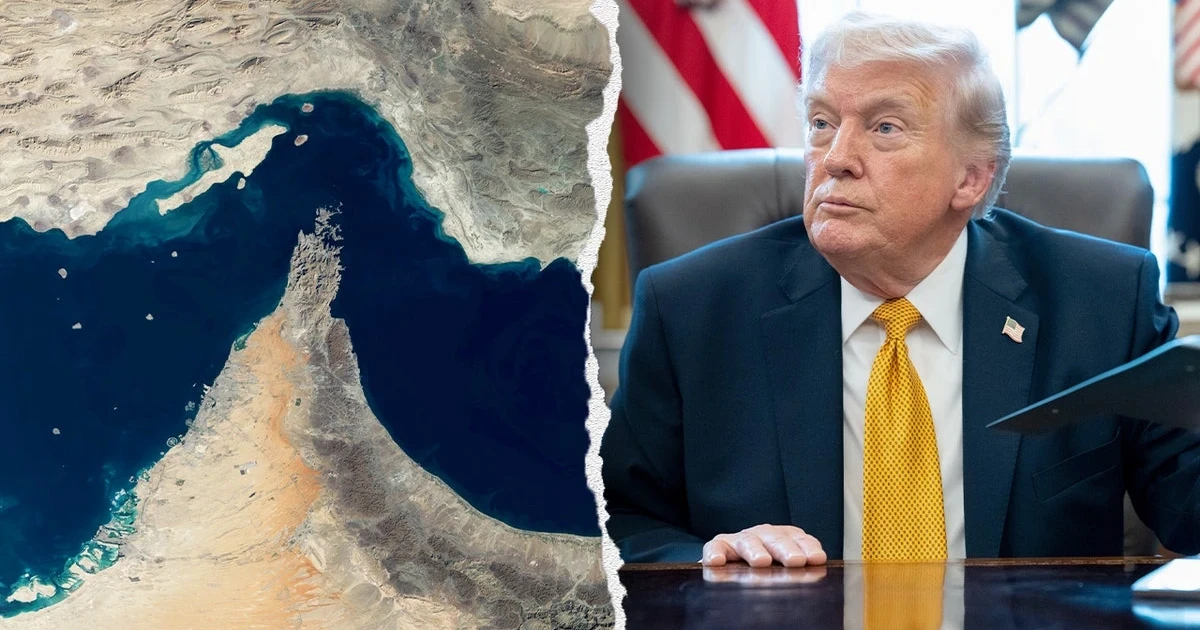
A fragile diplomatic opening between the United States and Iran was narrowing toward an interim accord, but the central question remained unanswered: whether both sides had actually settled the text. U.S. officials said an agreement could be signed in the next few days, yet Iranian officials still said no final decision had been made, keeping alive the risk that the talks could collapse over the wording of a memorandum of understanding or peace arrangement.
The uncertainty itself has become the story. A senior U.S. official estimated the odds of a near-term deal at 75% to 85%, a sign that negotiators in Washington and Tehran believe the process is advancing even as they publicly hedge. The talks are centered on a possible interim deal that would reopen the Strait of Hormuz to shipping and address Iran’s nuclear issue, but the two sides have not publicly locked in the same version of events.
Pakistan has emerged as a visible intermediary. Prime Minister Shehbaz Sharif said the United States and Iran had agreed to a “final, agreed upon text,” and said Pakistan was helping finalize next steps. That claim went farther than the language coming from Tehran, where officials continued to insist that no final decision had been made. The gap between those positions underscores how easily the process could still be derailed by unresolved terms or a political backlash in either capital.
Iranian Chief Justice Gholam-Hossein Mohseni-Ejei has put that skepticism in blunt terms, saying Iranians “absolutely do not trust the Americans,” a reminder that any agreement still has to survive deep historical distrust and the political cost of compromise. Delay can help hard-liners on both sides: in Tehran, it reinforces arguments that Washington cannot be trusted; in the United States, it gives critics more time to press for stricter scrutiny of any nuclear concessions.
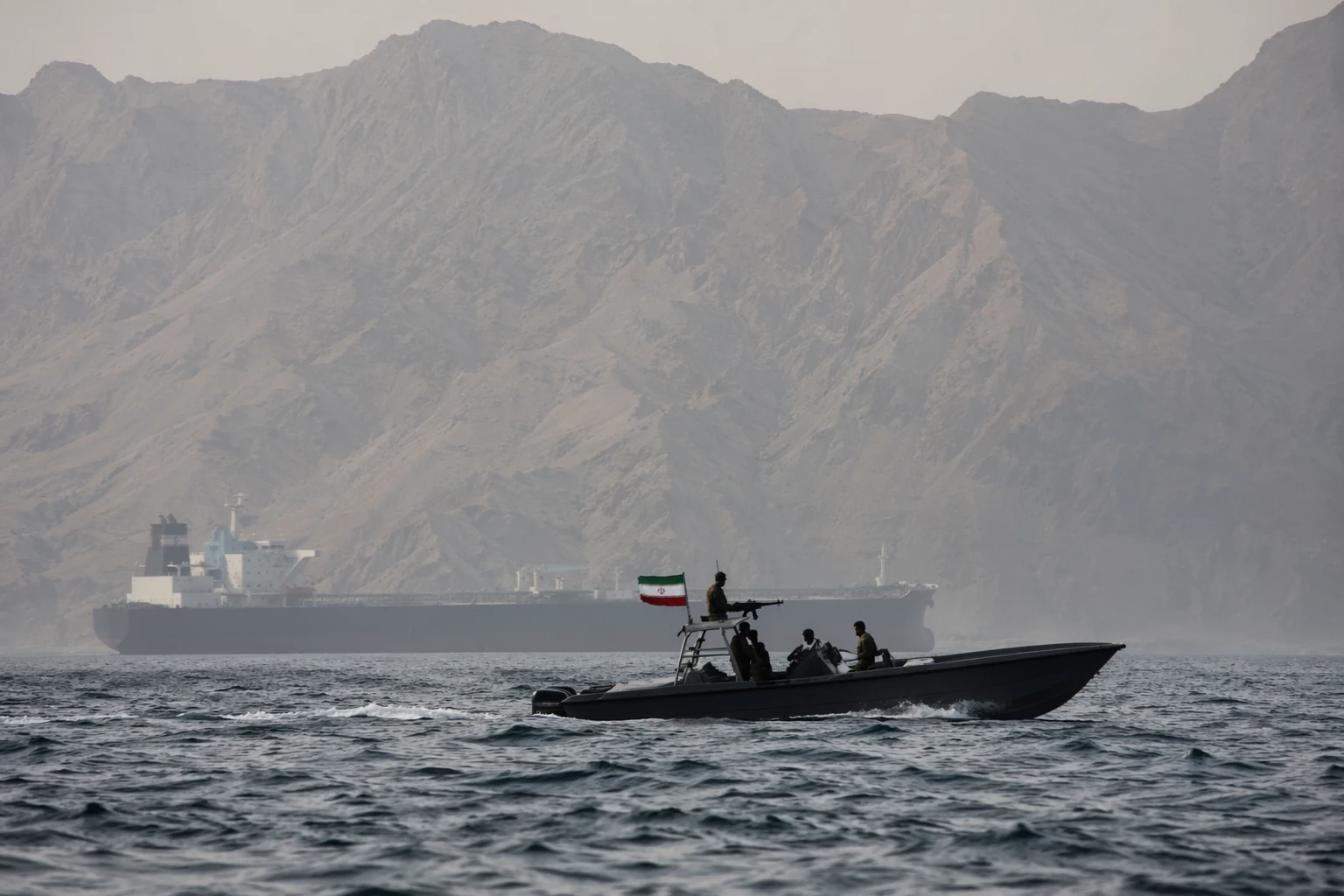
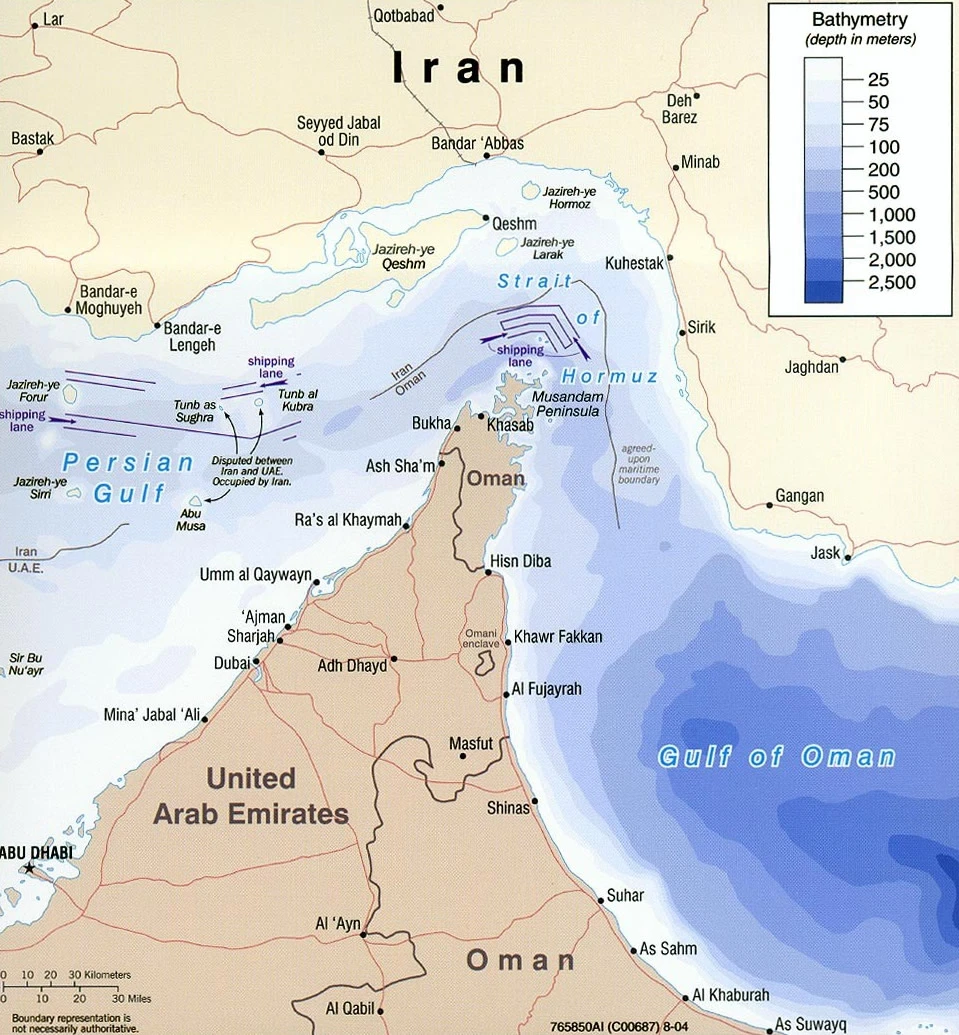
The stakes are unusually high because the deal would touch the Strait of Hormuz, one of the world’s most critical energy arteries. The International Energy Agency said an average of 20 million barrels per day of crude oil and oil products moved through the waterway in 2025, and the U.S. Energy Information Administration calls it the world’s most important oil chokepoint. Any failure to stabilize the route would rattle oil markets and deepen regional insecurity far beyond the Gulf.
Pressure is also building from the nuclear file. A June report to member states from the International Atomic Energy Agency said there had been little change in Iran’s nuclear program despite the war, while the United States has pushed a draft IAEA resolution demanding answers about Iran’s bombed nuclear sites and its unaccounted-for enriched uranium. The location of Iran’s highly enriched uranium stockpile remains one of the biggest open questions in the talks, and analysts say the nuclear terms could take months to finish even if a political deal is signed within days.
Sources
- [1]nytimes.com
- [2]cnn.com
- [3]reuters.com
- [4]apnews.com
- [5]iea.org
- [6]eia.gov
- [7]iaea.org
- [8]msn.com
- [9]politico.com
- [10]aljazeera.com