US News
U.S. and Iran Escalate Strikes Amid Stalled Peace Talks
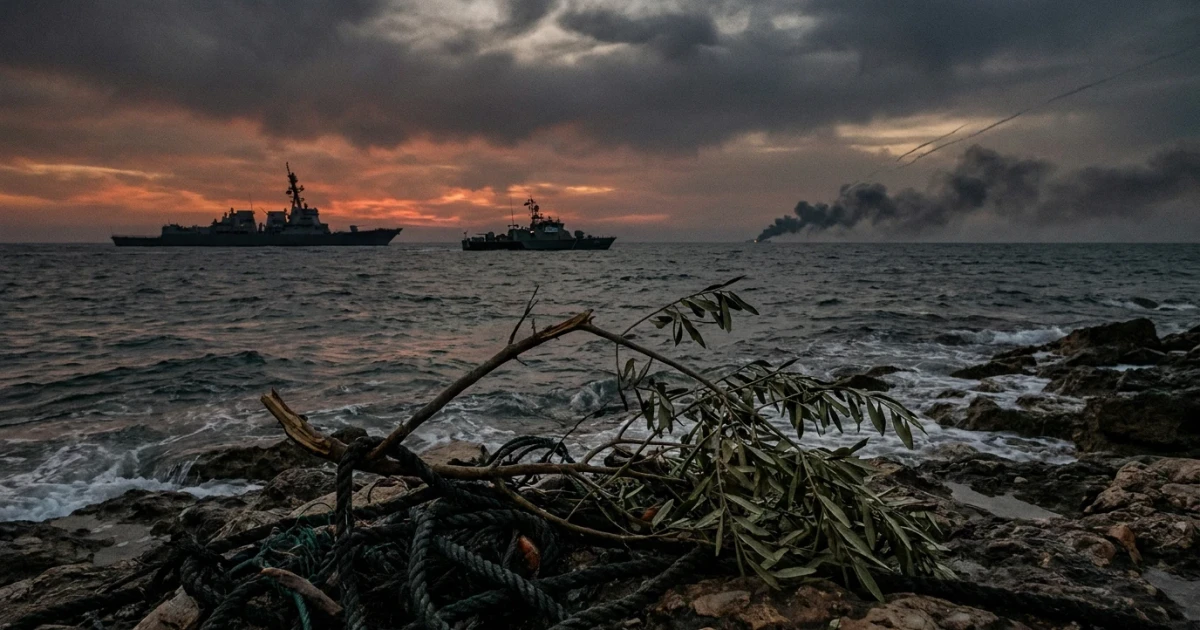
Fresh military exchanges between the United States and Iran have intensified instability in the Gulf region, as diplomatic efforts to revive peace talks appear to have stalled. The latest developments include Iranian strikes targeting Kuwait and Bahrain, alongside new U.S. military actions, compounding concerns about a prolonged standoff.
Escalating Military Action in the Gulf
On Monday, Iranian forces launched strikes at targets in Kuwait and Bahrain, according to Axios, marking a significant expansion of Tehran’s military engagement beyond its immediate borders. In response, the United States conducted additional airstrikes against Iranian-backed positions, underscoring the rapid escalation and the fragility of ongoing diplomatic efforts.
- The U.S. military described its actions as a defensive measure, aiming to deter further Iranian aggression in the region.
- The exchanges follow weeks of heightened tensions, with both sides blaming each other for the breakdown in dialogue.
These latest clashes come at a time when the Gulf region is already on high alert due to persistent threats to shipping and energy infrastructure. The attacks on Kuwait and Bahrain raise fears of a broader conflict potentially drawing in other regional actors.
Diplomatic Stalemate Clouds Prospects for Peace
The prospects for renewed negotiations appear dim after both sides hardened their positions in recent days. Axios reported that the latest military actions are testing the already tenuous peace talks, with each side seeking leverage amidst the violence.
According to The Washington Post, U.S. Senator Marco Rubio detailed American demands for any future agreement, emphasizing the need for Iran to curtail its support for proxy groups and halt its advances in nuclear technology. Rubio’s comments came as Iranian officials signaled a willingness to discuss nuclear issues, but also declared the current round of talks effectively over.
- Tehran has insisted on relief from longstanding sanctions as a precondition for further negotiations.
- Washington’s demands include verifiable limits on Iran’s nuclear program and an end to support for regional militias.
This impasse reflects deep-seated mistrust. While some U.S. policymakers remain open to further discussions, Iranian leaders have increasingly portrayed the talks as futile unless their core demands are met.
Regional and International Implications
The renewed violence and diplomatic gridlock have drawn concern from neighboring Gulf states and the international community. The strikes near strategic energy hubs in Kuwait and Bahrain risk disrupting global oil supplies and threaten to destabilize the region further.
Analysts point to the complex web of alliances and rivalries in the Gulf, noting that both Iranian and U.S. actions carry risks of unintended escalation. The Congressional Research Service highlights that Iran’s military capabilities—including advanced missile systems and proxy networks—complicate efforts to contain the conflict without broader engagement. For more detail on Iran’s military posture, readers can consult the Congressional Research Service report on Iran’s defense policies.
Meanwhile, the stalled peace process leaves key issues unresolved, including the status of Iran’s nuclear program and the future of sanctions relief. Previous rounds of negotiations have seen partial agreements, but implementation and verification remain sticking points.
What Comes Next?
With both sides reasserting demands and engaging in military posturing, the window for diplomatic compromise appears to be narrowing. Regional actors are urging restraint, while the international community closely monitors developments that could impact global security and energy markets.
Although some officials express hope for a resumption of talks, the current cycle of strikes and counterstrikes makes immediate progress unlikely. The situation remains fluid, with the potential for further escalation if diplomatic channels are not restored.
For readers seeking in-depth timelines and updates on Iran’s nuclear program and U.S.-Iran military interactions, resources such as the Iran Nuclear Timeline and the latest Pentagon press briefings provide additional context and official statements.
The coming days will be crucial as both Washington and Tehran weigh their next moves—either toward renewed negotiations or deeper military entanglement in a region already fraught with risk.