US News
US and Iran Exchange Military Strikes Amid Rising Tensions
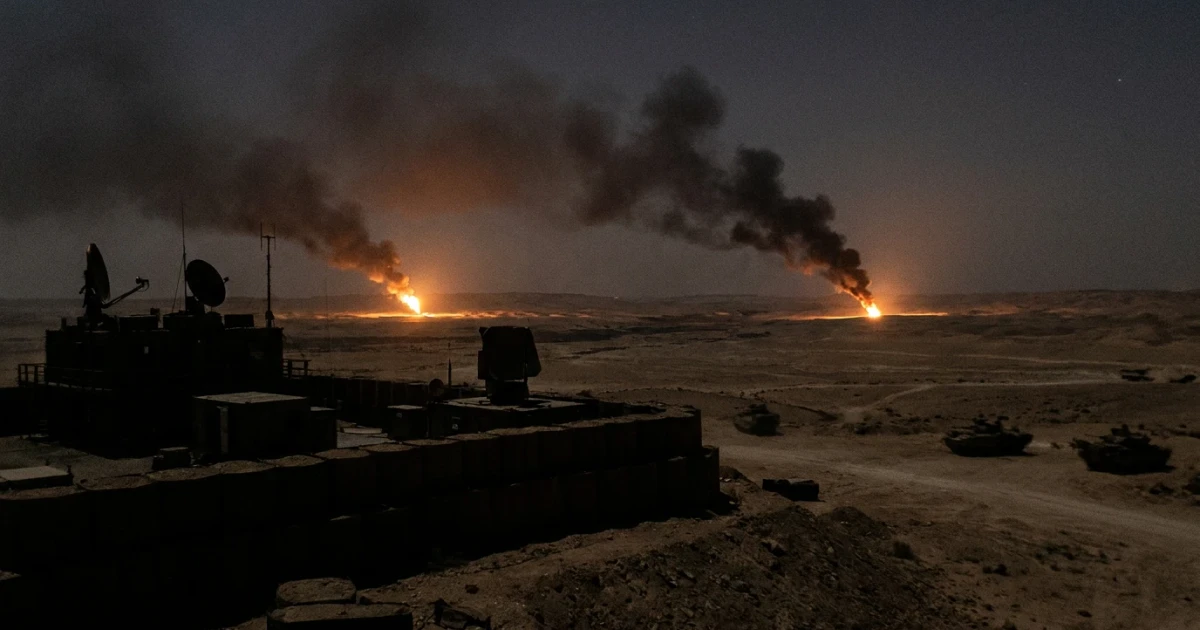
Rising tensions between the United States and Iran escalated sharply as both countries exchanged military strikes, according to multiple reports, including the BBC. The situation follows a reported Iranian attack on a US base and a subsequent American strike on an Iranian military site, raising concerns about further conflict in the region.
Sequence of Strikes Raises Stakes
On Tuesday, Iranian authorities stated they had targeted an American military base, a claim that was quickly followed by a US response. The US military, according to BBC coverage, confirmed it had carried out new strikes on an Iranian military site. While details on the extent of damage and casualties remain limited, the exchange marks one of the most significant direct confrontations between the two nations in recent years.
- The Iranian government announced it fired upon a US base, though specifics on the location and potential casualties were not immediately available.
- The United States responded by striking an Iranian military facility, increasing fears of a wider conflict.
- International observers are closely monitoring the situation, as both nations have a long history of tense relations and regional proxy confrontations.
Background: Long-Standing Regional Tensions
The exchange is rooted in years of strategic rivalry and military tensions between Washington and Tehran. Iran’s military capabilities have expanded, particularly concerning missile programs and proxy networks across the Middle East. The US has, in turn, maintained a significant military presence in the region, with bases that have periodically come under threat from Iranian-backed groups.
According to SIPRI arms transfer data, both nations maintain extensive military resources, with Iran focusing on asymmetric strategies and missile development. US forces in the region remain on high alert amid ongoing threats and previous attacks linked to Iranian proxies.
Escalation and International Response
The most recent strikes come at a time when diplomatic efforts have struggled to produce lasting agreements on Iran’s nuclear program and broader regional security. The UN Security Council continues to monitor compliance with Resolution 2231, which restricts certain Iranian military activities, but enforcement remains challenging given the complex regional dynamics.
Global powers have urged restraint on both sides, warning that further escalation could destabilize the Middle East. Analysts note that Iran’s network of proxies and allies, as mapped by the CSIS Interactive Map, provides Tehran with options to retaliate beyond direct military engagement, raising the risk of a broader confrontation involving multiple countries and non-state actors.
Potential for Further Escalation
While official statements from both governments have emphasized defensive motivations, the risk of miscalculation remains high. The US Department of Defense regularly updates contract records related to operations in the Middle East, underscoring the ongoing investment in regional security. Meanwhile, Iran’s military force structure, detailed by GlobalSecurity.org, demonstrates the country’s capability to respond in kind to US actions.
Looking Ahead
As the situation develops, regional and global actors are likely to increase diplomatic engagement in hopes of preventing further escalation. The exchange of strikes underscores the fragile balance in the region and the persistent risk of rapid conflict escalation.
With both sides showing willingness to retaliate, the coming days will be critical in determining whether the situation stabilizes or spirals into broader hostilities. Observers are encouraged to follow official updates and analysis from State Department terrorism reports and other authoritative sources for the latest developments.