US News
U.S. and Iran Exchange New Strikes Amid Rising Tensions
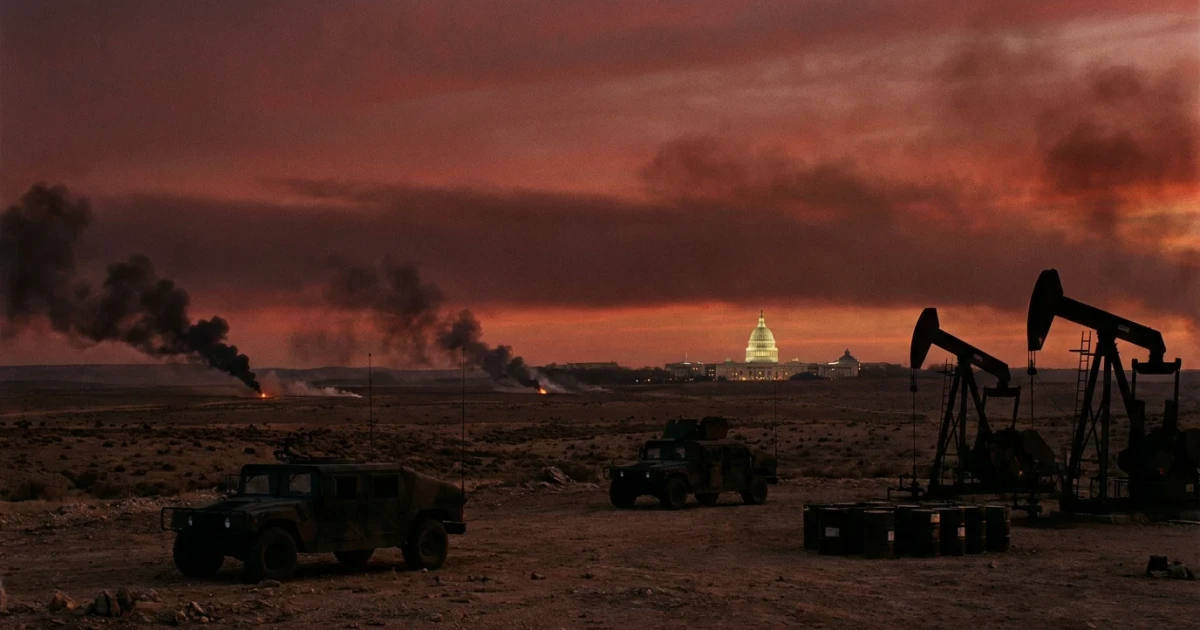
U.S.-Iran tensions escalated sharply this week as both nations exchanged new military strikes, amplifying concerns about regional stability and global energy markets. President Donald Trump reiterated that he faces no pressure to reach a peace agreement, despite the ongoing hostilities.
Latest Round of Strikes Raises Regional Stakes
The Washington Post and NBC News reported that Iran launched an attack targeting a U.S. airbase, following fresh American strikes on Iranian positions. This tit-for-tat exchange marks the latest in a series of military confrontations between the two countries, fueling fears of a broader conflict in the Middle East.
While details about the scale and impact of the strikes remain limited, both outlets confirmed that the actions have heightened volatility across the region. The attacks come amid a long-running pattern of confrontation, with each side justifying its latest moves as defensive responses to previous aggression. For those seeking context on the timeline and background of these tensions, the Council on Foreign Relations provides a detailed explainer on U.S.-Iran relations and recent military incidents.
President Trump Rejects Pressure for Peace Talks
Despite the renewed violence, President Trump publicly dismissed the notion that he is under pressure to seek a negotiated settlement with Iran. Both The Washington Post and NBC News highlighted Trump’s stance, noting that he has consistently framed his administration’s approach as one of strength and deterrence.
In his statements, Trump indicated there was no urgent need for a peace agreement, suggesting that the U.S. is prepared to maintain its current posture. This position aligns with the administration’s broader policy of applying maximum pressure on Tehran, a strategy that has included economic sanctions, diplomatic isolation, and periodic displays of military force. For a comprehensive analysis of the U.S. approach and its impact on Iran’s regional behavior, readers can consult the Brookings Institution’s research on U.S.-Iran confrontation.
Oil Prices Surge Amid Escalation
Financial markets reacted swiftly to the news of the strikes. The Washington Post reported that oil prices jumped by 2% after Iran announced it had targeted a U.S. airbase. This immediate spike reflects investor concerns about the potential for supply disruptions in a region that remains critical to global energy flows.
- Historical Brent crude oil prices show a pattern of volatility during periods of Middle East instability.
- Analysts warn that prolonged military escalation could drive prices higher, impacting consumers worldwide.
For additional data on oil price trends and the link to geopolitical events, the U.S. Energy Information Administration offers interactive charts and reports on Brent crude.
Broader Implications and Regional Risks
Both U.S. and Iranian officials have stated that their military actions are meant to deter further attacks. However, experts caution that the cycle of retaliation increases the risk of miscalculation or unintended escalation. The Congressional Research Service provides an in-depth analysis of Iran’s military capabilities and the strategic implications for U.S. forces in the region.
As the situation develops, allies and international organizations are closely monitoring events, urging restraint and renewed diplomatic engagement to prevent further destabilization. The United Nations continues to maintain sanctions and oversight mechanisms related to Iranian activities, with official records available through the UN Security Council’s sanctions materials.
Looking Ahead
With no clear resolution in sight, the potential for further escalation remains high. The current standoff underscores the complexities of U.S.-Iran relations, where military actions, economic pressures, and diplomatic calculations intersect. Observers suggest that unless both sides seek meaningful engagement, the cycle of strikes and counterstrikes may continue to threaten regional and global stability.