US News
US and Iran Exchange Strikes Amid Strait of Hormuz Tensions
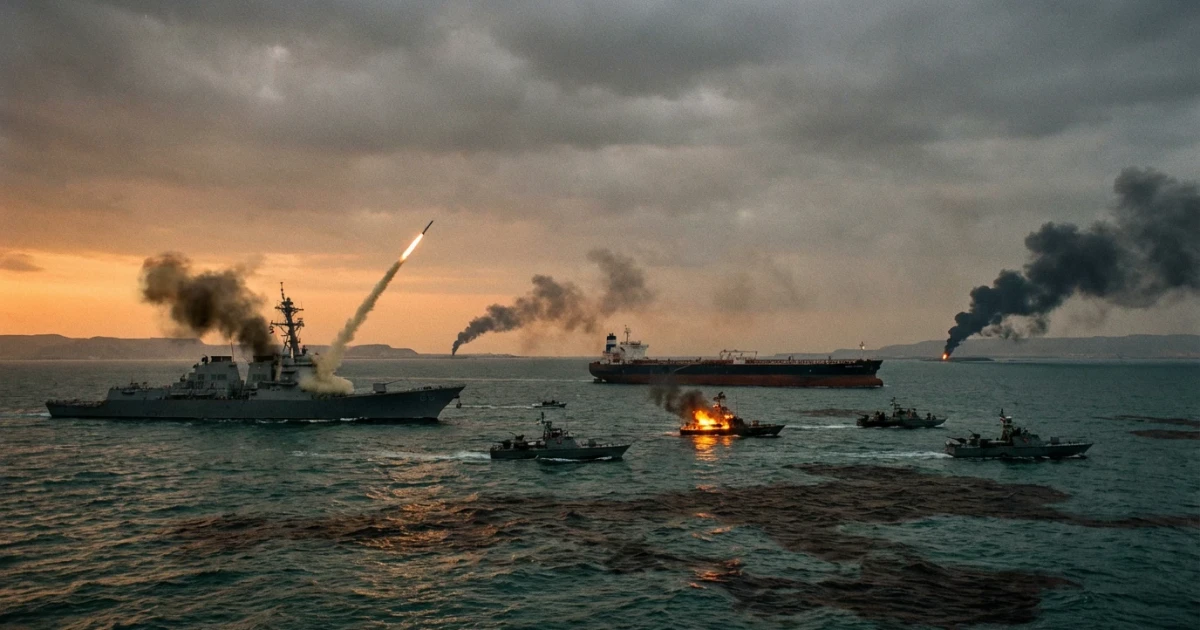
US and Iranian forces have exchanged fresh strikes in the Gulf region as tensions over the critical Strait of Hormuz continue, with former President Donald Trump urging international allies to help de-escalate the crisis. The situation remains volatile, with significant implications for global oil markets and regional security.
Escalating Military Actions
According to reporting from both Bloomberg and Politico, the US military conducted airstrikes targeting Kharg Island, a key Iranian oil infrastructure hub in the Persian Gulf. These strikes were part of a series of military actions exchanged between the United States and Iran, reflecting a marked increase in hostilities around the Strait of Hormuz — a waterway responsible for nearly a fifth of global oil trade.
- The US strikes on Kharg Island aimed to disrupt Iranian operations linked to attacks on commercial shipping.
- Iranian forces reportedly responded with their own military actions targeting US or allied assets in the region, though details remain limited as both sides control information tightly.
Global Economic and Security Stakes
As the US crude oil exports and international energy markets rely heavily on the secure passage of tankers through the Strait, disruptions have already driven up oil prices and heightened concerns over supply chain stability. Data from the US Energy Information Administration indicates that millions of barrels of oil pass through the strait daily, underscoring the global significance of this chokepoint.
The US strikes serve a dual purpose: signaling deterrence to Iran and reassuring allies whose economic interests are directly threatened by instability in the Gulf. However, the risk of wider escalation remains, with analysts noting that both nations possess advanced military capabilities and strong regional alliances. For more on Iran’s military posture, see the Council on Foreign Relations backgrounder.
Diplomatic Maneuvers and International Calls for Action
While military operations continue, former President Trump has advocated for increased international engagement, particularly urging China and regional allies to pressure Iran and help ensure that the Strait of Hormuz remains open to maritime traffic. Both Bloomberg and Politico highlight Trump’s efforts to mobilize a broader diplomatic coalition, reflecting the growing recognition that unilateral action may not be sufficient to resolve the crisis.
Trump’s calls for international support come amid ongoing debates in Washington and among allied capitals over the best approach to deter further Iranian aggression while avoiding a wider conflict. Some US officials have pointed to the importance of enforcing UN Security Council sanctions on Iran as part of a broader containment strategy.
Implications for Regional Stability
The potential for miscalculation or unintended escalation remains high, particularly as both sides engage in tit-for-tat military actions. Analysis from the Center for Strategic and International Studies warns that Iranian strategy in the Gulf often involves asymmetric tactics, including the use of small boats and missile systems to complicate US naval operations.
- Global shipping firms have begun rerouting or delaying cargoes as a precaution, reflecting the commercial risks associated with the current tensions.
- Regional states, including Saudi Arabia and the United Arab Emirates, have reportedly stepped up their own security operations and diplomatic contacts to avoid being drawn into direct conflict.
Looking Ahead
As both military pressure and diplomatic efforts continue, the outcome of the current standoff will likely hinge on the willingness of both Washington and Tehran to pursue de-escalation through dialogue. The international community remains watchful, given the broader implications for global energy security and the potential for the conflict to entangle other regional powers.
For further context on the strategic importance of the Strait and Iranian military doctrine, readers can explore this Brookings analysis.