World
U.S. and Iran exchange strikes as conflict spills toward Egypt
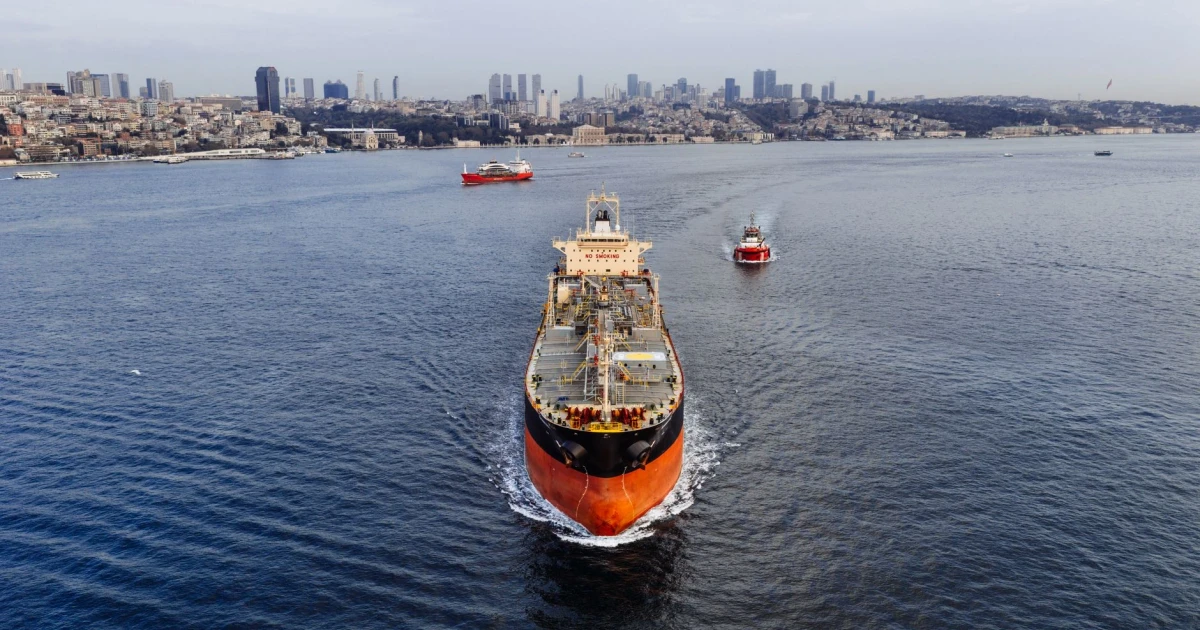
A drone hit a U.S.-owned gas storage tanker at Egypt’s Mediterranean port of Damietta, pushing the war closer to the Suez Canal and a major artery for global energy shipping. Egypt said it had come under attack from an unidentified drone, while Saudi Arabia acknowledged direct involvement in the war for the first time.
The strike came as the United States and Iran traded blows overnight, turning a conflict that had centered on Iraq into a broader regional confrontation. Reuters reported that the U.S. and Saudi Arabia had launched strikes on Iran-backed groups in Iraq, and U.S. Central Command said the joint airstrikes landed late Tuesday after Iranian and proxy attacks on American forces. CBS News said at least 10 people were reportedly killed in the Iraqi strikes, while the Popular Mobilization Forces said the toll was at least 20 dead and 32 wounded.
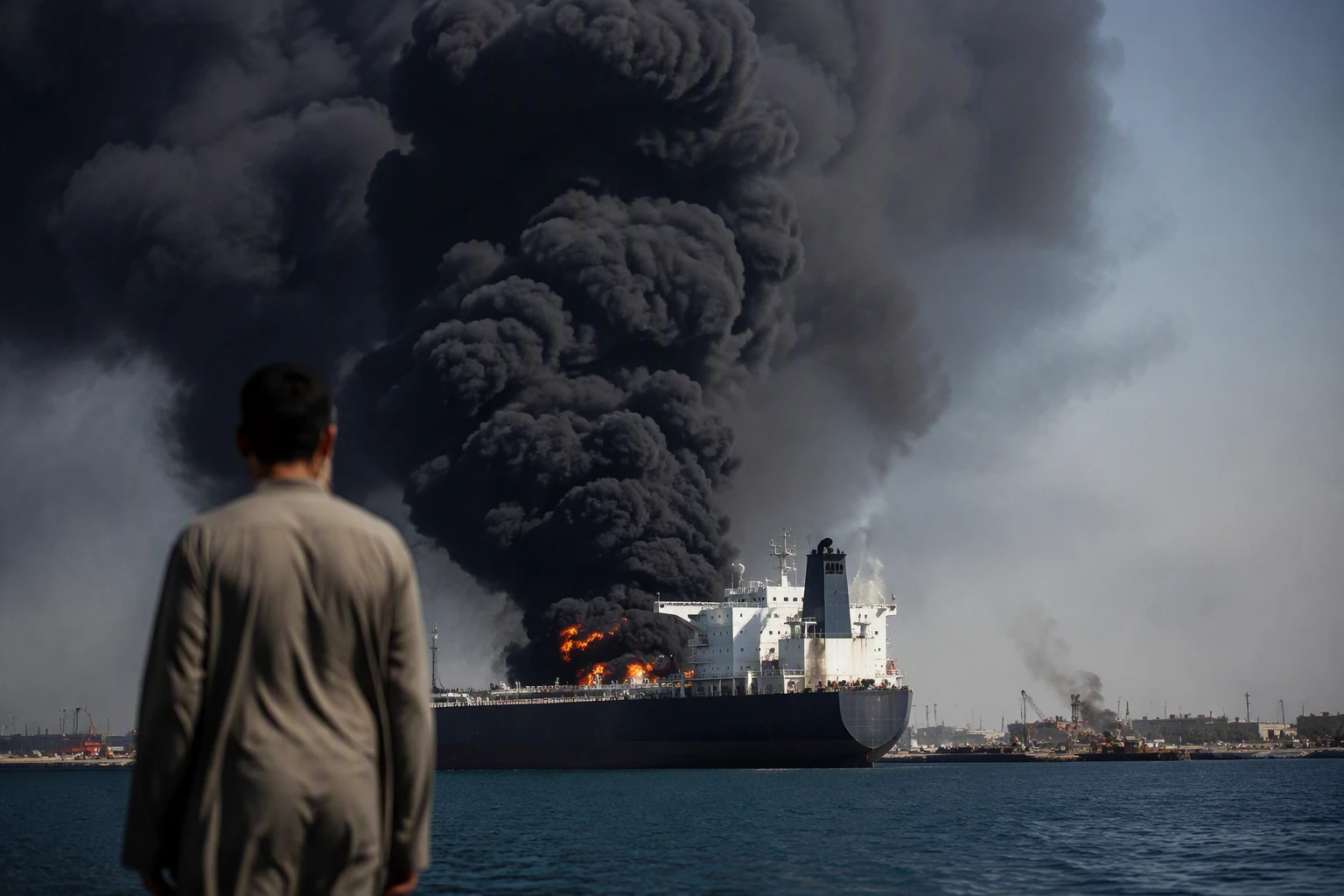
For Washington, the Damietta attack sharpened three risks at once: direct exposure for U.S. personnel in the region, pressure on oil and gas flows, and the possibility that allies’ military action will drag the United States deeper into a wider war. Reuters and The Wall Street Journal framed the Egyptian port strike as a warning sign for Suez Canal-linked routes and oil exports, especially if attacks spread to vessels or storage sites tied to maritime trade. Egypt sits on a chokepoint that carries cargo between Asia, Europe and the United States, so even a single hit can raise freight and insurance costs across the market.
The escalation also showed how fast the conflict had widened beyond its original U.S.-Iran axis. On July 16, the U.S. and Saudi Arabia said they had already carried out joint airstrikes on Iranian proxies in Iraq, and Iranian officials condemned the later attack as a violation of Iraq’s sovereignty and a highly dangerous escalation, according to CNN. Al Jazeera reported that Iran warned about maintaining control of the Strait of Hormuz as the confrontation spread, underscoring the threat to a shipping lane that handles a large share of the world’s crude.
By July 30, the map of the war had changed again. A fight that had moved through Iraqi militias and American positions was now brushing against Egypt’s coast, Saudi Arabia had stepped into open combat, and the region’s two most important maritime chokepoints, the Strait of Hormuz and the Suez Canal, were both under sharper threat.
Sources
- [1]nytimes.com
- [2]reuters.com
- [3]cbsnews.com
- [4]aljazeera.com
- [5]nbcnews.com
- [6]cnn.com