World
US and Iran give conflicting signals on Doha talks this week
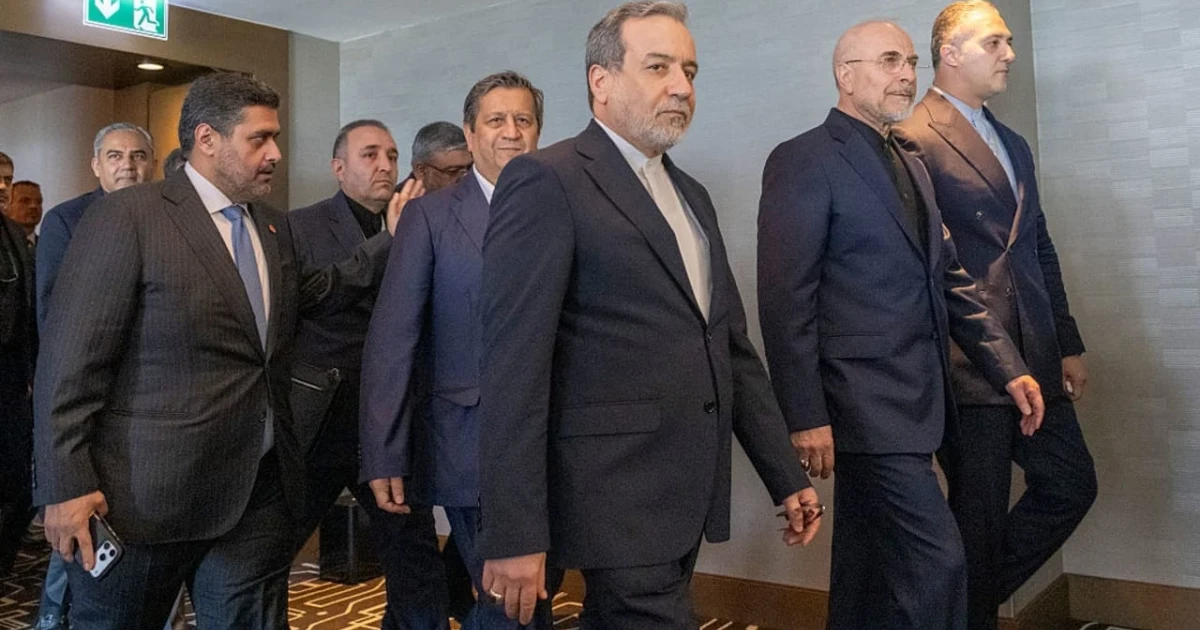
The White House said Steve Witkoff and Jared Kushner would represent the United States at a high-level meeting in Qatar on Tuesday, while Iran’s Foreign Ministry said no meeting had been scheduled. Donald Trump said on social media that Iran had requested the talks, deepening the gap between the two capitals over whether diplomacy was advancing or still stuck at the level of logistics.
Reuters reported that Iranian and U.S. technical teams working on the implementation of an interim peace deal were expected to meet in Doha in the coming days. Iranian state media and spokespeople, however, said Tehran was sending a delegation to the Qatari capital to discuss implementation details of the ceasefire and interim arrangement, not to hold direct U.S.-Iran talks. The split in messaging suggested that the two sides were still trying to define whether Doha was a venue for substance or only for follow-up work.
The uncertainty came after weekend strikes in and around the Strait of Hormuz tested a fragile interim ceasefire. The waterway is a global chokepoint through which about one-fifth of the world’s oil had been shipped before the war began, which gave every exchange there immediate economic and strategic weight. The latest fighting threatened to overwhelm the narrow diplomatic channel that had been built around the truce.
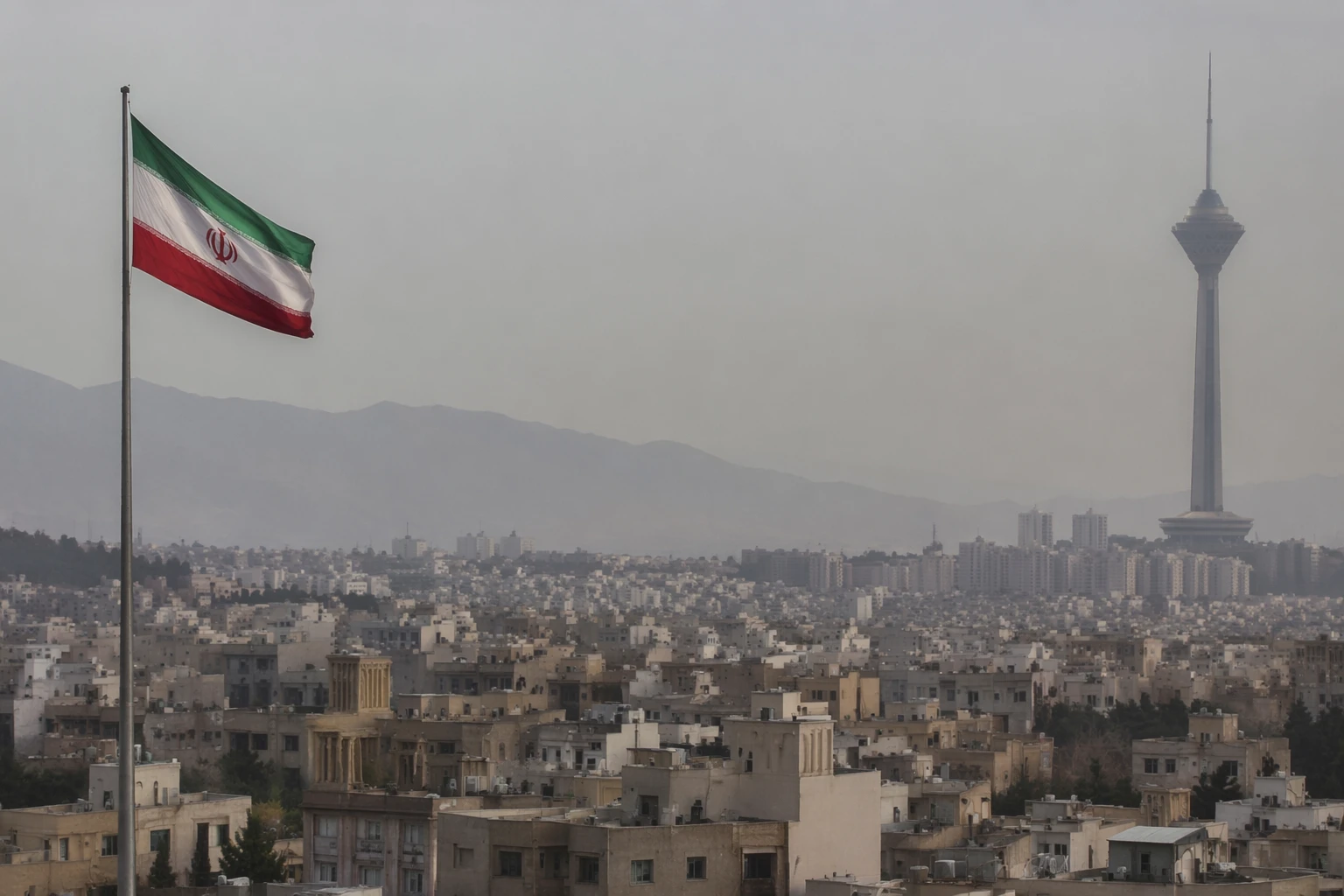
Mediators had already set up communications channels to de-escalate incidents after the tit-for-tat attacks. Earlier reporting said Qatar was central to the mediation effort and that Pakistan had joined the format, with a roadmap aimed at a final deal within 60 days and immediate technical follow-up talks. That structure depended on both sides keeping lower-level contacts separate from the political optics of a formal ministerial meeting.
Masoud Pezeshkian added another layer to the negotiations on Monday, saying Qatar would release $6 billion in frozen Iranian assets. The funds were tied to Iranian oil sales and were being held in Qatar under restricted conditions. For Tehran, any formal meeting in Doha would need to show that it could secure those assets, preserve the ceasefire, and avoid looking as if it was yielding under fire. For Washington, a ministerial encounter would need to show that the interim deal was still intact after the Hormuz clashes and that technical talks could still move the process toward a broader accord.
Sources
- [1]abcnews.com
- [2]usnews.com
- [3]cnbc.com
- [4]msn.com
- [5]english.alarabiya.net
- [6]timesofisrael.com
- [7]aljazeera.com