World
U.S. and Iran hold fragile peace talks in Doha after new attacks
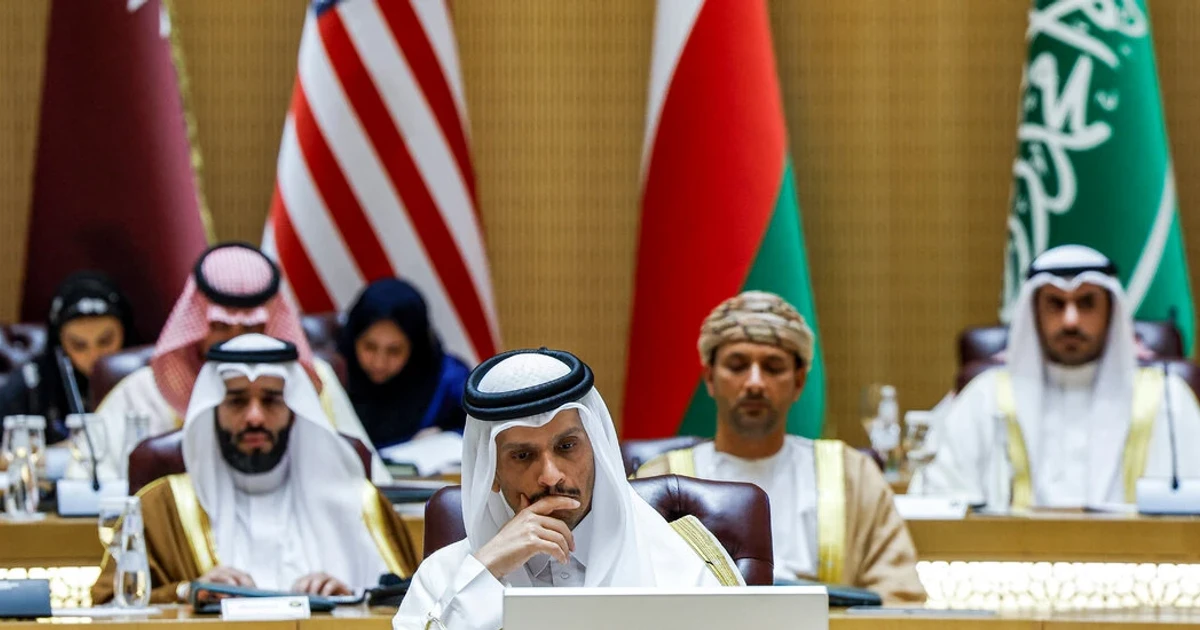
U.S. envoys arrived in Doha, Qatar, on June 30 for meetings with mediators over Iran, but the fragile channel was already under strain after a Qatari official said the top American envoys would not hold a high-level meeting with Tehran. President Donald Trump said a day earlier that the United States would meet with Iran in Qatar, while Iranian officials said no negotiations were scheduled in the coming days, leaving the capital at the center of an uncertain diplomatic scramble.
The discussions came days after a new round of attacks threatened efforts to lock in a lasting peace deal. Weekend missile fire tested the ceasefire and the broader diplomacy built around it, underscoring how quickly the talks could collapse if the fighting resumed. Qatar’s Ministry of Foreign Affairs has said the country was not directly mediating between Washington and Tehran, but that it supported formal and informal diplomatic channels.
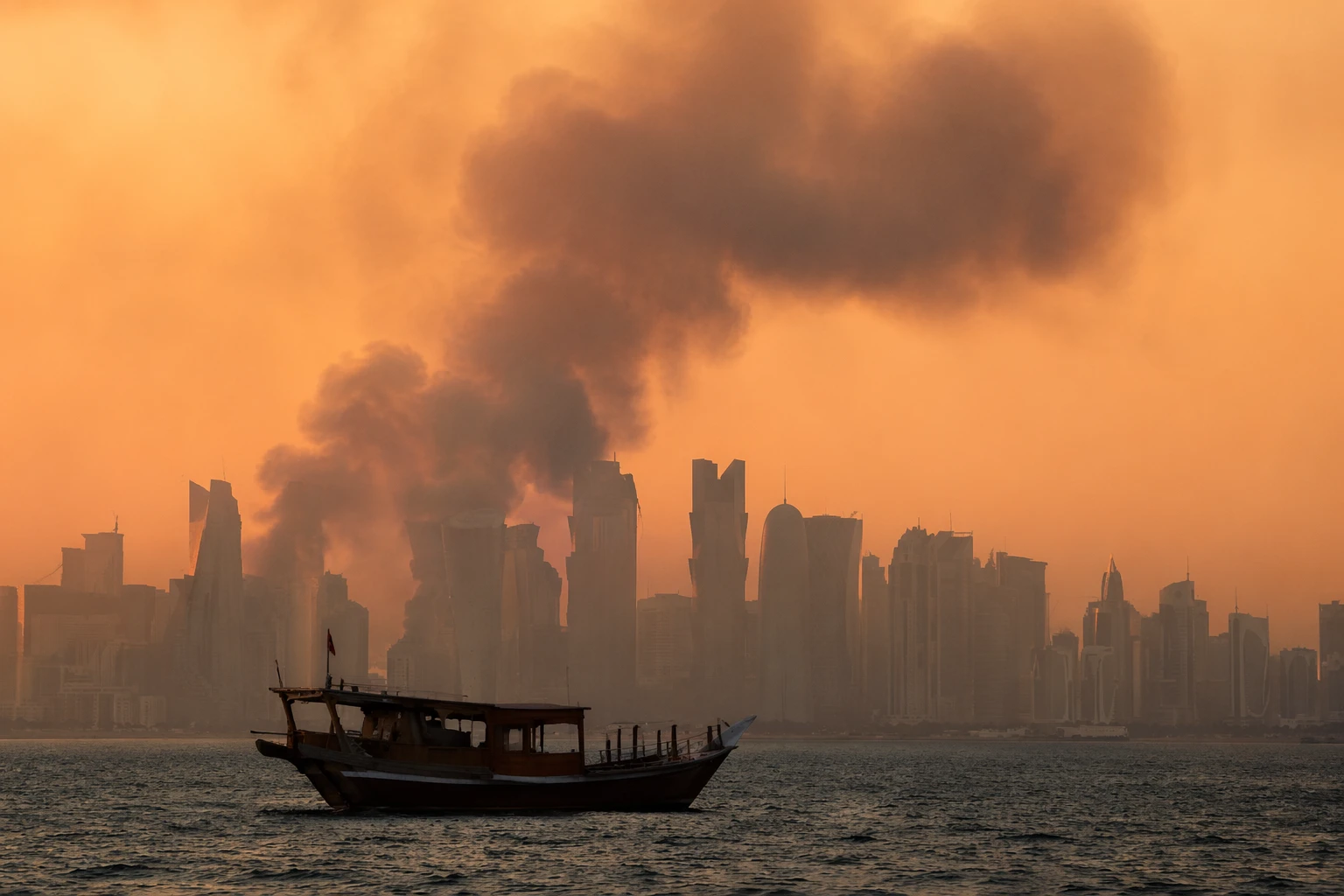
The immediate stakes go well beyond the room in Doha. The conflict has already disrupted global trade in oil and other goods, and it has exposed Gulf states to Iranian drone and missile fire. Any breakdown in the current track would put fresh pressure on shipping routes tied to the Strait of Hormuz, where mediators previously set up a communication line meant to avoid incidents and prevent a wider maritime crisis.
The current push rests on a June 17 interim accord that gave the two sides 60 days to negotiate a permanent truce. Qatar and Pakistan later issued a joint statement saying the United States and Iran had agreed to a roadmap toward a final deal within that window, along with the Strait of Hormuz communication line. Earlier high-level talks between American and Iranian officials also took place in Switzerland, where mediators said both sides agreed to keep negotiating.
For Washington, the question is whether Doha marks a real shift in U.S.-Iran engagement or only crisis management after another round of violence. For the region, the answer will shape not just the ceasefire but the security of Gulf airspace, the flow of oil through one of the world’s most sensitive chokepoints, and the exposure of U.S. forces stationed across the Middle East.
Sources
- [1]nytimes.com
- [2]apnews.com
- [3]cnn.com
- [4]usnews.com
- [5]reuters.com