World
U.S. and Iran hold talks as nuclear deal questions remain unclear
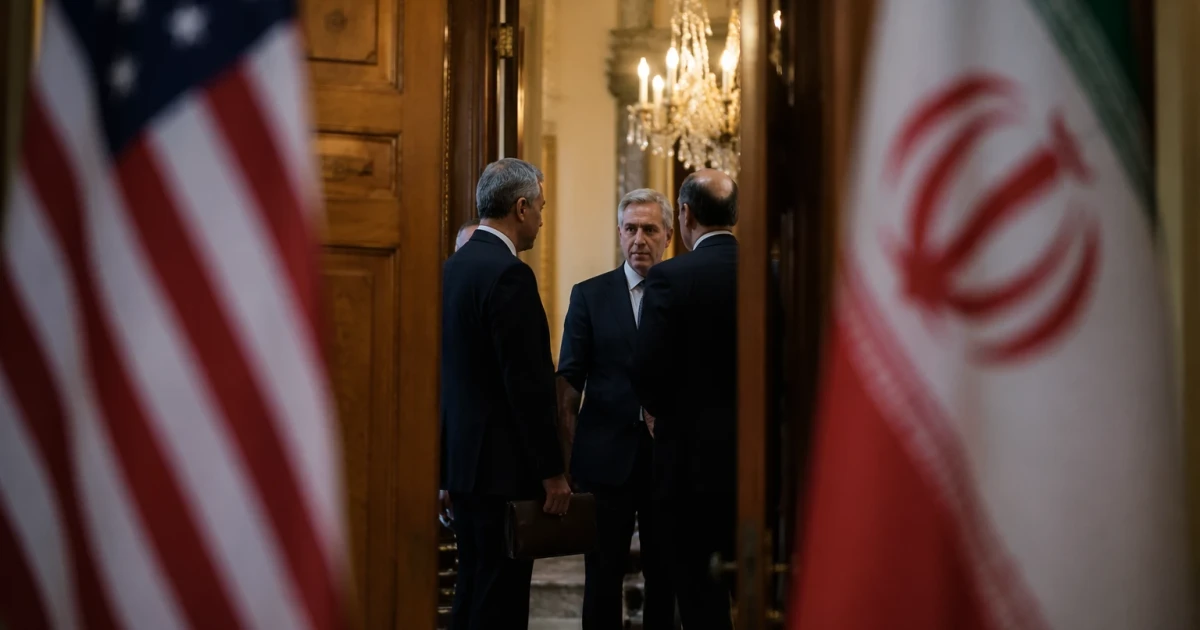
The Trump administration is promising a tighter nuclear strategy on Iran, but the details still do not line up neatly with the rhetoric. As U.S. and Iranian officials met in Switzerland, U.S. Ambassador to the United Nations Mike Waltz said the White House was "laser focused" on preventing Tehran from getting a nuclear weapon, even as major questions remained over inspections, sanctions relief and what Iran would be allowed to do with its enriched uranium.
Waltz made the case on Face the Nation with Margaret Brennan, saying the administration was taking a "pragmatic approach" and that Department of Energy technical experts were helping work through the "nitty gritty details" of the stockpile. He also argued that the White House understood the "type of people" it was dealing with, pointing to Iran's crackdown on demonstrations and its history of imprisoning American citizens.
The talks themselves carried unusual weight. A rare direct meeting took place June 21 between Vice President JD Vance and other U.S. officials and Iranian Foreign Minister Abbas Araghchi and Parliament Speaker Mohammad Bagher Ghalibaf. At the center of the talks is the fate of Iran's highly enriched uranium, which remains one of the most politically charged pieces of any possible agreement.
A memorandum of understanding signed last week said the sides "agreed to resolve the disposition of stockpiled enriched material." It also described downblending as the "minimum" outcome, a sign that even the baseline terms are still being negotiated. The White House has said the next 60 days will be used to hammer out specifics, but Iran has not yet accepted a finalized inspection regime, and President Trump has repeatedly said he does not want Iran to enrich uranium.
The pressure is not only diplomatic. On June 10, the International Atomic Energy Agency's Board of Governors adopted a resolution calling on Iran to provide detailed information about its enriched uranium stockpiles and give inspectors access to verify them. The agency has also reported unresolved questions and verification gaps around the stockpile, underscoring how much of Iran's program still sits outside full international scrutiny.
Public U.S. intelligence assessments continue to say Iran has not made a decision to build a nuclear weapon. They also warn that Iran's nuclear activities have left it better positioned to produce one if it chooses. That gap between intent and capability is now at the center of a narrower Trump strategy, one that has moved away from earlier talk of dismantling Iran's missile program or even regime change and toward a faster, more limited push on the nuclear file.
Sources
- [1]cbsnews.com
- [2]iaea.org
- [3]congress.gov
- [4]politico.com