World
U.S. and Iran issue conflicting statements on Doha talks
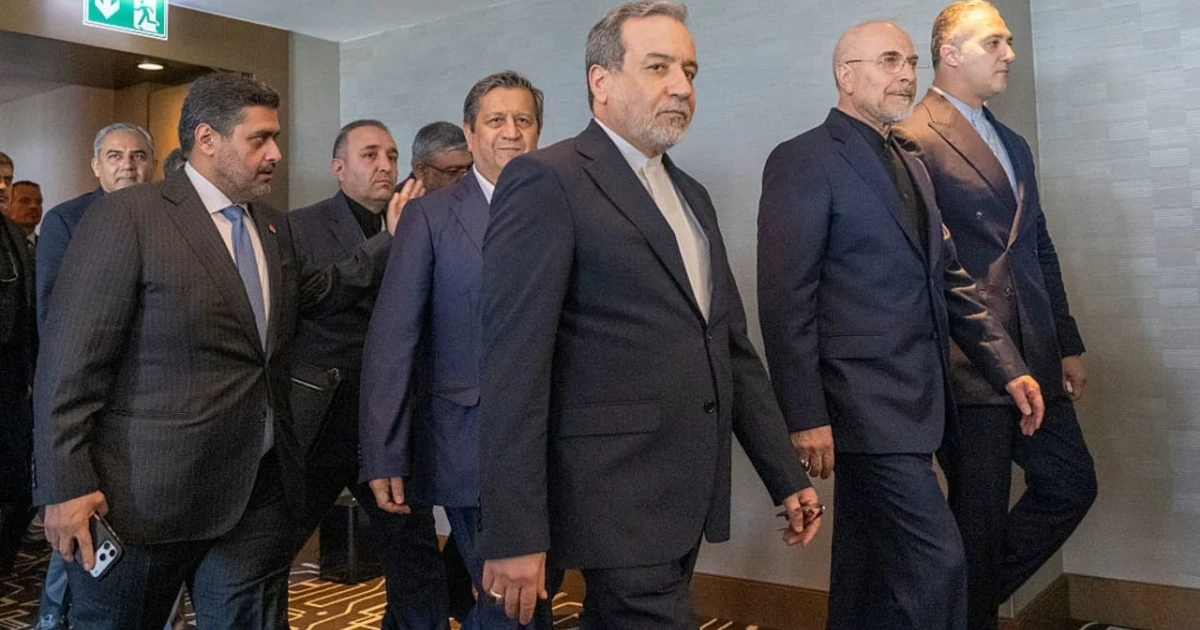
American and Iranian officials were in or headed to Doha, Qatar, but Washington and Tehran gave sharply different accounts of whether they would actually meet face to face. The dispute landed as the June 17 interim deal, which paused a four-month-old war and set a 60-day clock for broader talks, entered its most fragile phase.
The public contradiction was part of the negotiation. Donald Trump’s team sent Steve Witkoff and Jared Kushner to lead the U.S. delegation, while Iran’s Foreign Ministry denied that its negotiators were scheduled to meet U.S. officials in Qatar. Qatar remained the mediator trying to keep both sides inside the same process even as they described that process in different terms.
That kind of public toughness serves both capitals. The White House can show movement toward diplomacy without conceding that pressure on Tehran has eased. Iranian officials can deny a scheduled direct meeting and avoid signaling that they are rushing into face-to-face talks under military pressure. The result is a familiar pattern in this crisis: talk in public that protects leverage, while the real bargaining happens through intermediaries.
The substance on the table has been broader than one session in Doha. Earlier reporting in the negotiation track said the sides had discussed reopening the Strait of Hormuz, broader talks over Iran’s nuclear program, the return of United Nations inspectors, frozen assets and sanctions relief. Those are the kinds of concessions that would matter more than any announcement about who sat in which room.
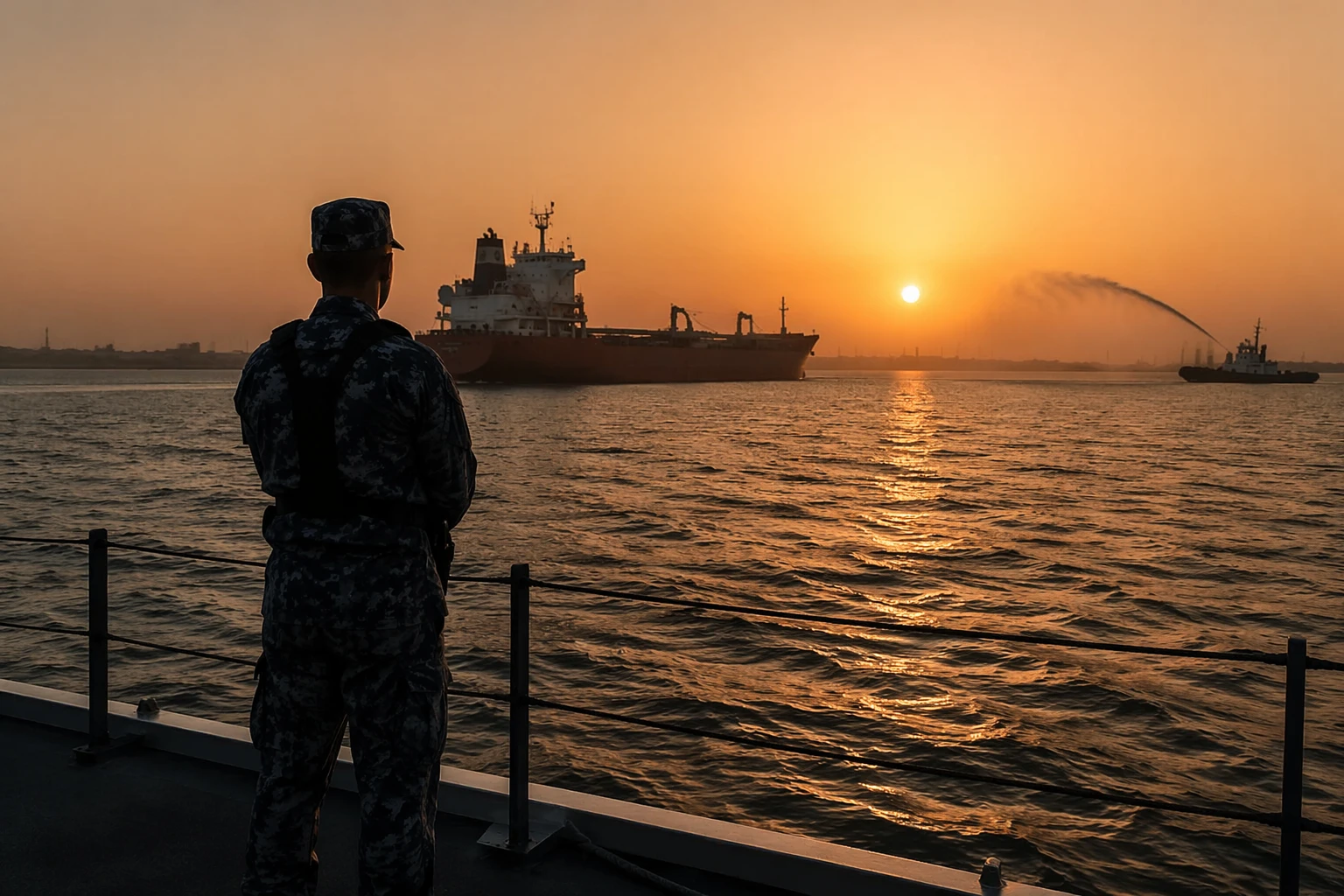
The stakes stretch far beyond the negotiating table. The U.S. Energy Information Administration says about 20 million barrels a day moved through the Strait of Hormuz in 2024, roughly 20% of global petroleum liquids consumption. The International Energy Agency calls the waterway the primary export route for oil from Saudi Arabia, the United Arab Emirates, Kuwait, Qatar, Iraq, Bahrain and Iran.
The route has remained exposed to violence. On June 25, Iran’s Revolutionary Guards attacked a Singapore-flagged commercial vessel in the strait, damaging the ship’s bridge. An Iranian official later called the situation “sensitive and complex,” a reminder that any diplomatic breakthrough will have to survive the Gulf before it can be sold as progress. A confirmed direct meeting, a public timetable for inspectors, and a halt to attacks on shipping would signal that the talks have moved beyond messaging and into a real bargain.
Sources
- [1]news.google.com
- [2]nbcnews.com
- [3]cbsnews.com
- [4]eia.gov
- [5]iea.org
- [6]cnn.com