World
US and Iran move nuclear talks to expert-level negotiations
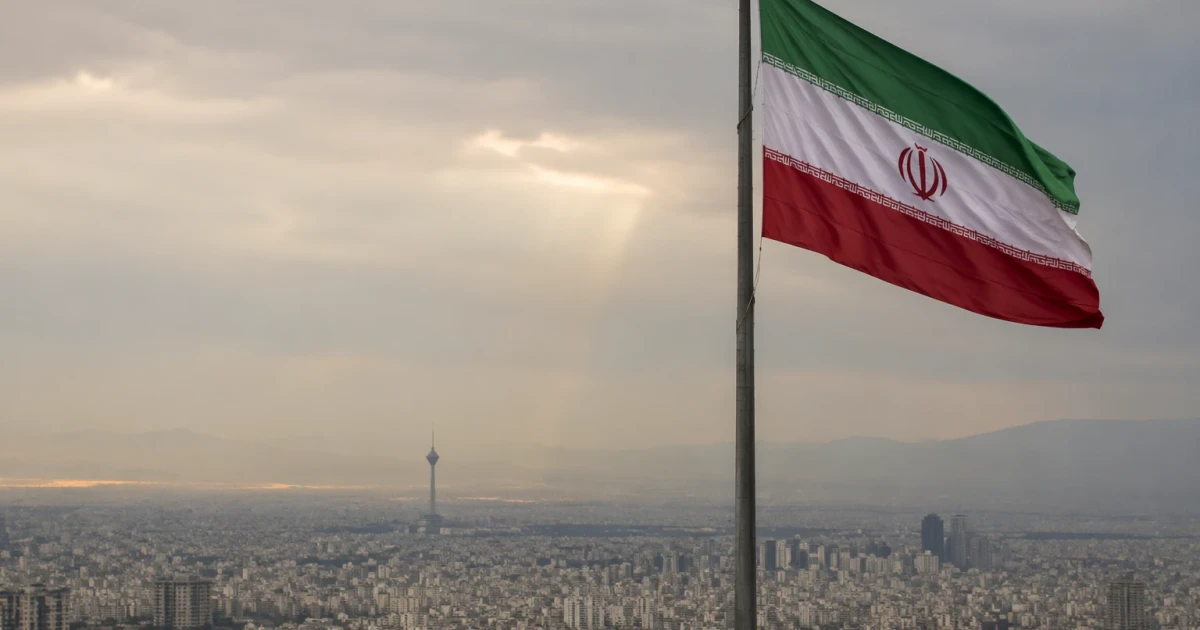
U.S. and Iranian negotiators pushed their nuclear talks into expert-level drafting after agreeing that any possible deal will have to confront four blunt questions: how far Iran can enrich uranium, what happens to its stockpile, whether nuclear sites must be dismantled, and how far inspectors can go.
That shift followed talks in Rome on April 19, when the two sides agreed to put experts to work on a framework for a possible agreement. Iran’s foreign ministry said senior negotiators were expected to meet again on April 26 after the technical talks, a sign that the process had moved beyond opening statements and into the harder business of trading specific concessions.
The shape of those concessions depends on which negotiating school prevails. A positional approach would start with the most politically charged demand, and Abbas Araghchi has already drawn that line by saying civilian uranium enrichment cannot be subjected to any deal. A problem-solving approach would try to bundle the four issues together, pairing limits on enrichment with accounting for Iran’s enriched uranium stockpile and expanded inspections, while leaving dismantlement questions for later. A verification-first approach would insist on intrusive monitoring before sanctions relief becomes real.
The contrast between the two lead negotiators matters. AP described Steve Witkoff as a billionaire real-estate developer and Araghchi as a seasoned diplomat, a pairing that suggests two different instincts at the table: one built around transactional bargaining, the other around long-running nuclear diplomacy. Because the talks are indirect and mediated by Oman, trust has to be built through process as much as through personalities.
That is why the fourth round in Oman on May 11 carried so much weight. It came just before President Donald Trump’s Middle East visit, and Oman’s mediator, Badr Albusaidi, said the talks made “some but not conclusive progress.” The wording fit the substance of the negotiations: movement on process, not yet on the core dispute over enrichment and monitoring.
Those core disputes sit inside a bigger history of sanctions pressure, regional tension, and the collapse of the 2015 nuclear deal. The current talks could still determine whether Iran’s program is constrained by a new agreement, whether sanctions are eased, and whether the next phase of U.S.-Iran diplomacy stays technical or slides back into open confrontation.
Sources
- [1]nytimes.com
- [2]reuters.com
- [3]aljazeera.com
- [4]pbs.org
- [5]apnews.com