World
U.S. and Iran move toward 60-day framework for nuclear talks
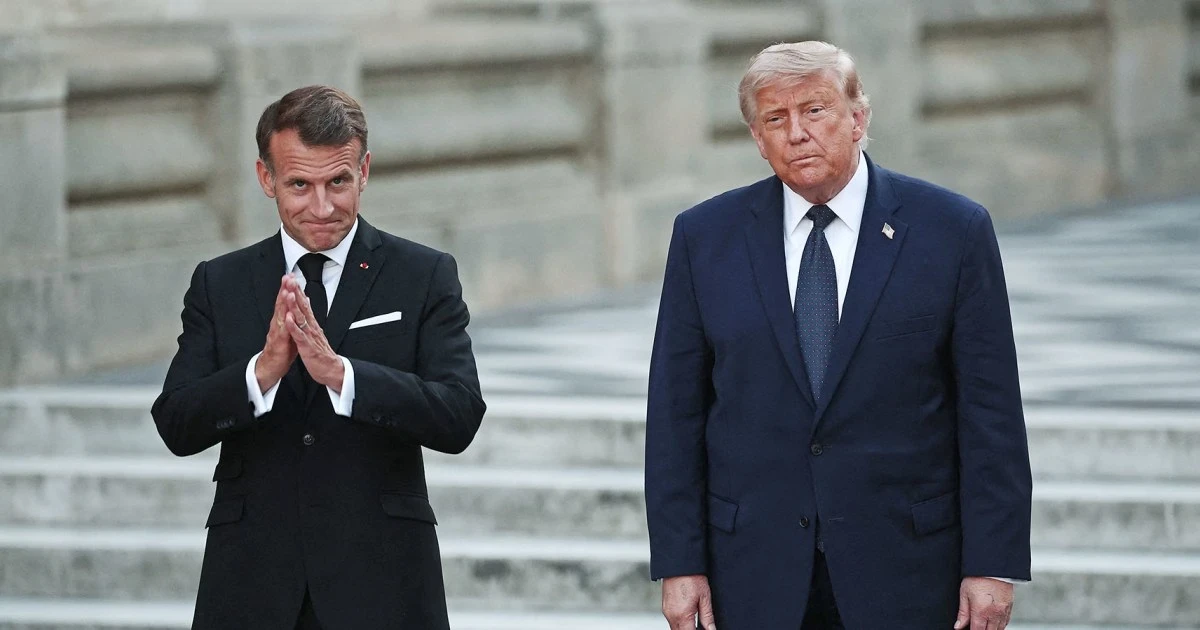
The U.S. and Iran have moved into a fragile 60-day framework that promises to stop the shooting, reopen the Strait of Hormuz and clear the way for broader nuclear talks. But the deal’s main obstacle is not just the battlefield; it is the gap between what officials say they agreed to and what the memorandum of understanding actually says.
Pakistan Prime Minister Shehbaz Sharif was reported as the mediator announcing the deal, which was described as a memorandum of understanding rather than a final peace treaty. A formal signing ceremony was reported for June 19 in Switzerland, with Geneva and the Bürgenstock Resort both cited in coverage. Qatar also welcomed the arrangement, underscoring how regional capitals have been pulled into a negotiation that is still defined by uncertainty.
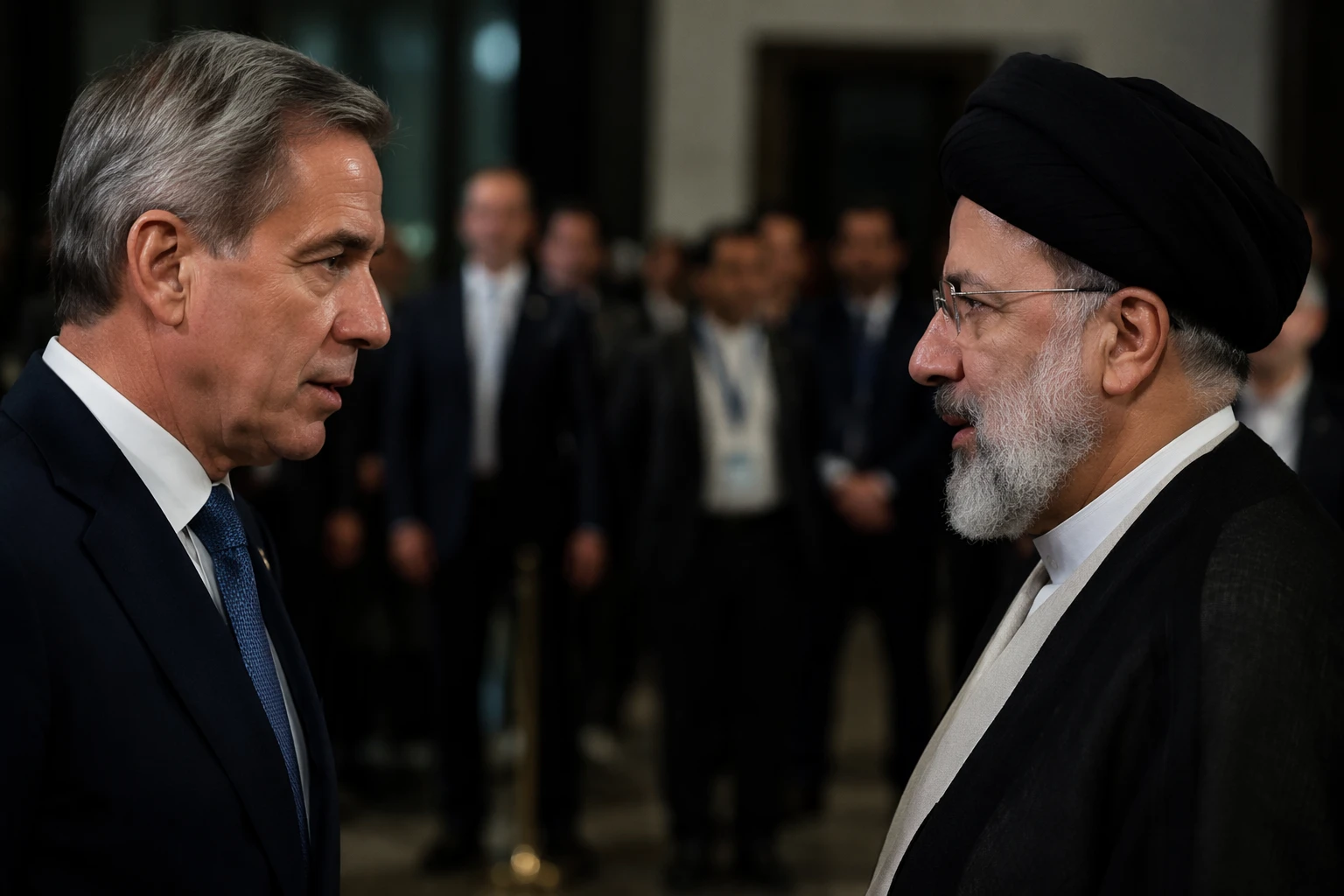
The MOU was reported to call for an immediate and permanent termination of military operations on all fronts, including Lebanon, while opening a 60-day period for wider negotiations. It also said the Strait of Hormuz would be reopened and that the U.S. naval blockade of Iran would be lifted under the interim arrangement. That combination of ceasefire terms, maritime access and phased diplomacy made the announcement significant well beyond the nuclear file, because the strait remains a critical artery for global oil shipments.
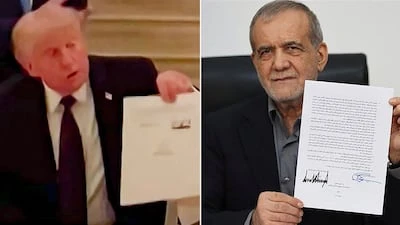
Yet the text was initially unreleased, and officials gave mixed signals about what had actually been agreed. Some accounts suggested the document was later shared with Congress or the public, but the central questions still hung over the next round of talks: whether Iran’s nuclear program, sanctions relief, frozen assets, ballistic missiles and support for regional proxies would be included. A separate report said the MOU could also carry a $300 billion reconstruction incentive if a final deal is reached, adding another layer of speculation to a process already clouded by ambiguity.

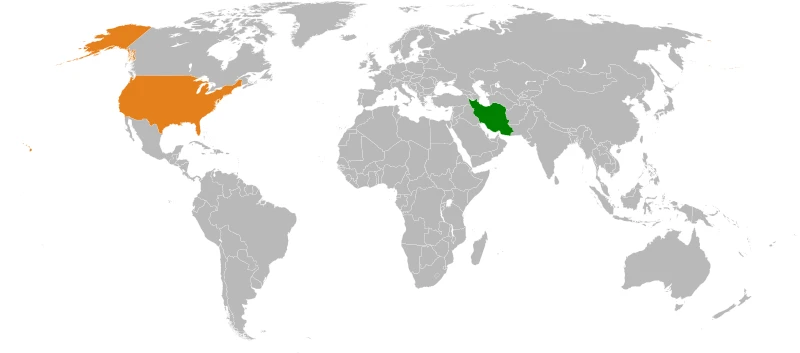
Markets moved quickly on the news. Oil prices and stocks reacted to the prospect of a reopened Hormuz and a reduced threat to shipping, reflecting how closely diplomacy in this corridor is tied to energy flows and regional escalation. For now, the agreement has created a pause, not a settlement, and the next 60 days will test whether negotiators can turn a contested interim framework into something both sides can defend.
Sources
- [1]nbcnews.com
- [2]cnbc.com
- [3]stimson.org
- [4]militarytimes.com
- [5]france24.com
- [6]nation.com.pk