World
U.S. and Iran near ceasefire deal to reopen Strait of Hormuz
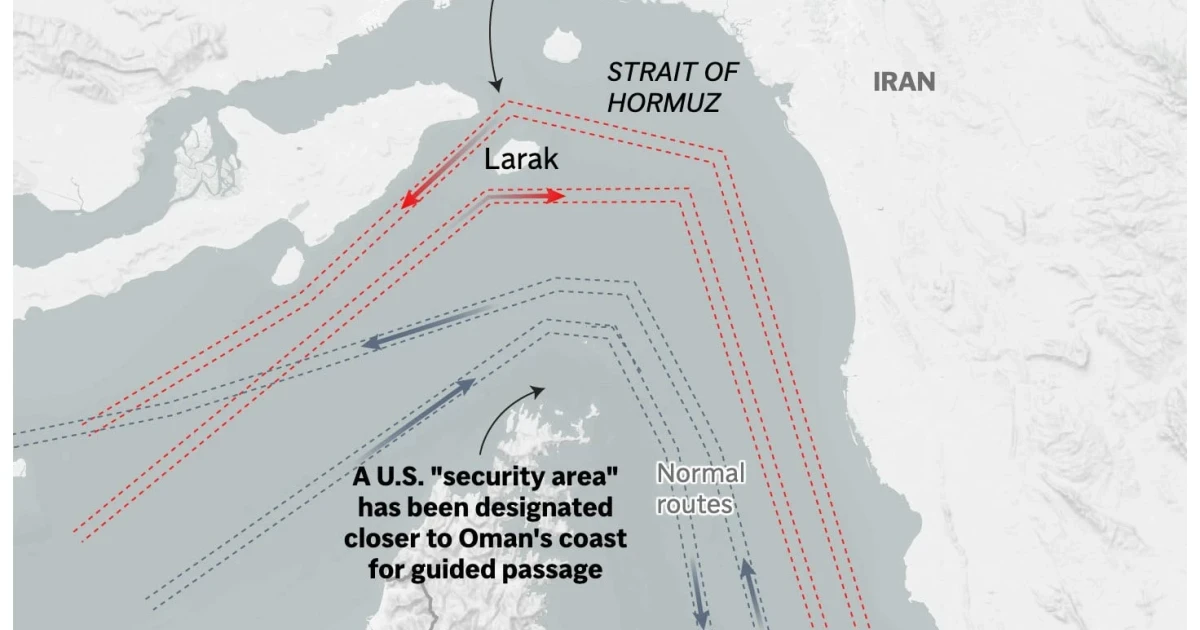
The United States and Iran moved closer to a preliminary ceasefire deal that would extend their shaky truce for 60 days and reopen the Strait of Hormuz, the shipping lane that carries a major share of the world’s oil. The framework pointed to a tactical de-escalation, not a full settlement, because it left Iran’s nuclear program unresolved.
The agreement was being described as a memorandum of understanding rather than a final peace accord, and one reported account said President Donald Trump’s final approval was still pending. That detail underscored how narrow the deal remained: it appeared designed to stop the immediate slide toward wider conflict while postponing the harder questions over sanctions, enforcement and regional proxy activity.
Mona Yacoubian, who directs the Middle East program at the Center for Strategic and International Studies, said the arrangement let both sides claim a win while kicking the most difficult issues down the road. CSIS said the United States and Iran would each be able to declare victory, but that both had lost in important ways because key questions remained unanswered. The biggest gap was verification. Without a clearer mechanism for monitoring compliance, any ceasefire extension would rest more on political restraint than on enforceable commitments.
The diplomacy also remained vulnerable to events beyond the main negotiating channel. Earlier U.S.-Iran talks in April failed to produce a peace deal, and the Associated Press reported on June 15, 2026, that the agreement was still inching toward formal signing despite lingering questions over Tehran’s nuclear program. That report also warned that an Israeli offensive in Lebanon could prolong the fighting and scuttle the deal, a reminder that the conflict’s spillover risks extend well beyond the Strait of Hormuz.
If the agreement is finalized, the immediate market significance would be substantial. Reopening the Strait of Hormuz would reduce a major threat to global energy flows, but the longer-term test will be whether the ceasefire holds under pressure and whether Iran and the United States can translate symbolic diplomacy into verifiable limits. For now, the document on the table looks less like a peace breakthrough than a pause button.
Sources
- [1]cbsnews.com
- [2]apnews.com
- [3]csis.org
- [4]aljazeera.com
- [5]cnn.com
- [6]usnews.com