World
U.S. and Iran near initial nuclear deal after weeks of strikes
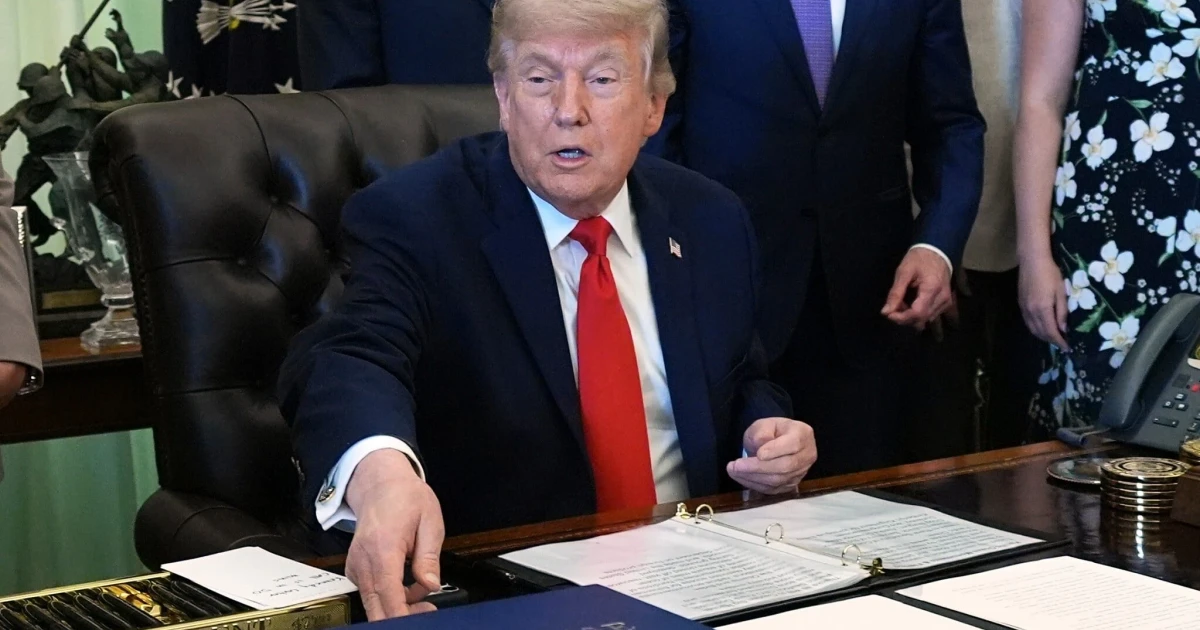
The United States and Iran moved toward an initial nuclear accord Friday, but the deal remained unfinished, with a senior administration official saying the two sides were “not quite at the finish line yet.” The Trump administration put the odds of a near-term agreement at 80% to 85% and said it expected to sign an initial memorandum of understanding in the coming days.
The emerging framework would do more than pause the confrontation. It would reopen the Strait of Hormuz, lift the U.S. blockade on Iranian ports and begin a phased process to dismantle Iran’s nuclear program, including the removal of highly enriched uranium. The official said Iran would not receive economic benefits merely for signing. Any relief, including unfreezing assets and sanctions relief, would come only if Tehran complied with the terms.
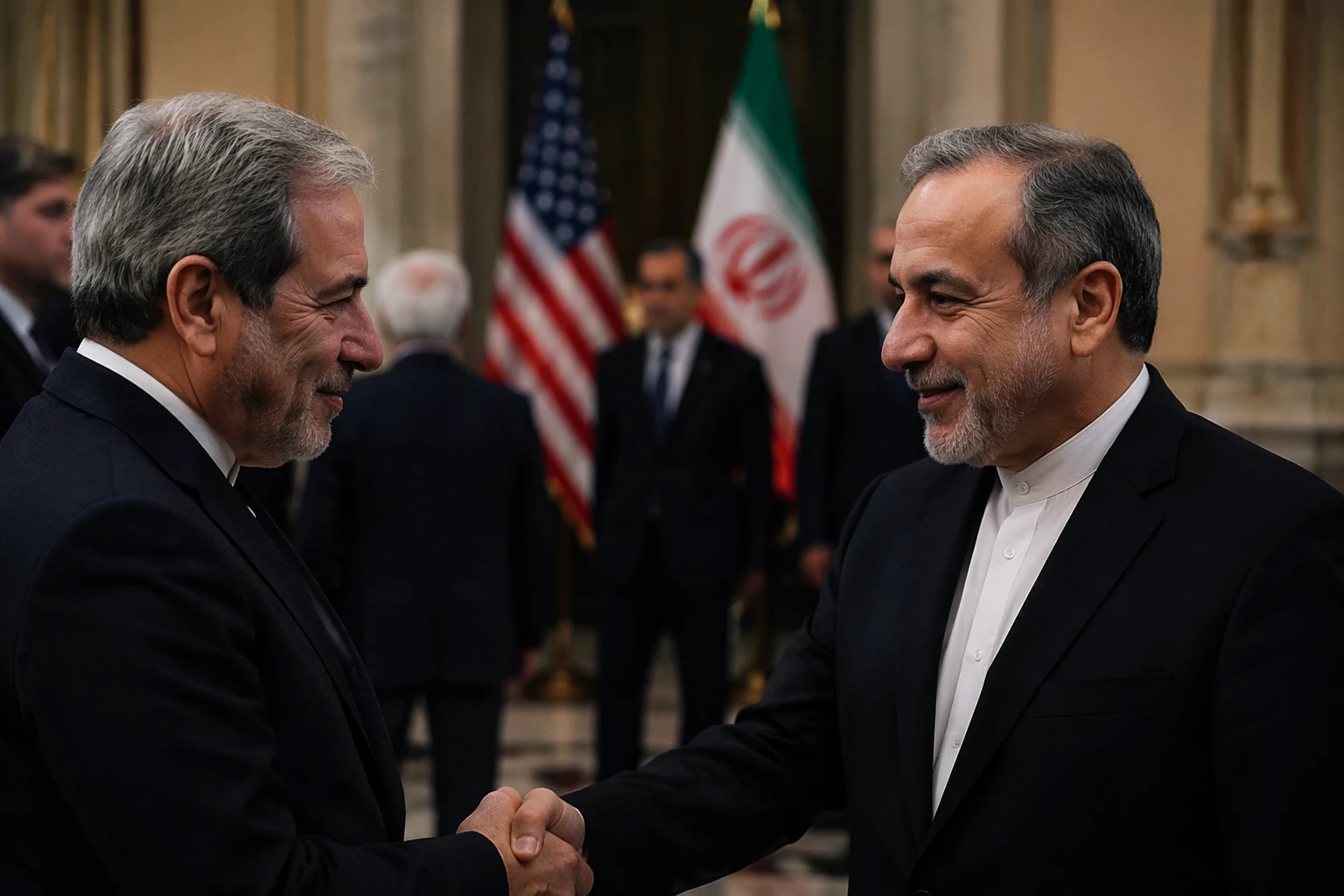
That enforcement question is now the core of the deal. The official said the next stage would be about 60 days of technical negotiations on how to remove enriched material and decommission nuclear sites, with an inspection regime meant to police compliance over the long term. That leaves the most sensitive issues unresolved: who verifies that Iran is actually dismantling key facilities, how quickly enriched uranium leaves the country and what penalties would follow if Tehran slows the process or reverses course.

The stakes extend far beyond the negotiating table. The Strait of Hormuz carries roughly 20% of the world’s oil flow, and the proposed reopening would directly affect a shipping lane that has been rattled by a week of tit-for-tat strikes. Those attacks included an Iranian strike that downed a U.S. military helicopter near the strait and U.S. retaliatory strikes, raising the pressure on both governments to secure something more durable than a temporary pause.
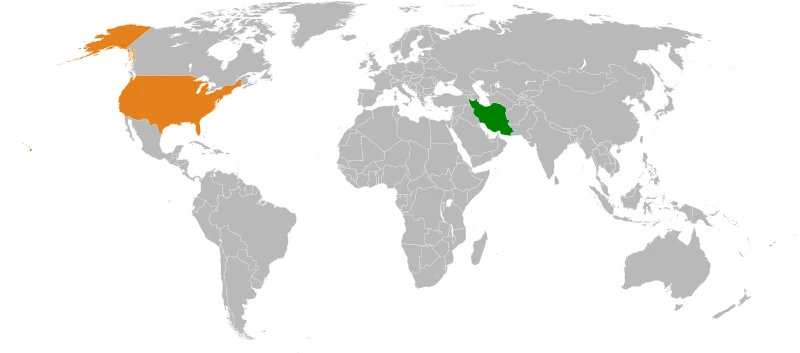
Still, the path to a durable agreement remains narrow. Iranian Foreign Minister Abbas Araghchi said on X that an agreement had “never been closer,” while Iranian foreign ministry spokesman Esmaeil Baghaei said relevant Iranian bodies were reviewing the text after understandings on most issues. Pakistani Prime Minister Shehbaz Sharif said a “final, agreed upon text” had been reached. Even so, analysts say Iran is unlikely to surrender all enrichment capacity, which it sees as both a point of national pride and a bargaining chip, and the official acknowledged that mistrust and technical disputes could still delay or derail the deal.
Sources
- [1]nytimes.com
- [2]english.alarabiya.net
- [3]politico.com
- [4]al-monitor.com