World
U.S. and Iran open rare talks in Switzerland, aim for 60-day deal

Delegations from the United States and Iran met at the Burgenstock Resort near Lucerne in a rare face-to-face round that now has 60 days to prove it is more than a temporary pause. Pakistan and Qatar, acting as mediators, said the sides agreed to a roadmap toward a final deal and created a new high-level committee to provide political oversight and launch immediate technical talks.
The meeting carried unusual weight because it was the first round held under a memorandum of understanding signed the previous week, which extended a fragile ceasefire by 60 days. Vice President JD Vance traveled to Switzerland for the talks, alongside Trump envoy Steve Witkoff, with Jared Kushner also involved. President Donald Trump has threatened to resume attacks on Iran, giving the negotiations an unusually sharp backdrop as both sides tried to keep the diplomatic channel alive.
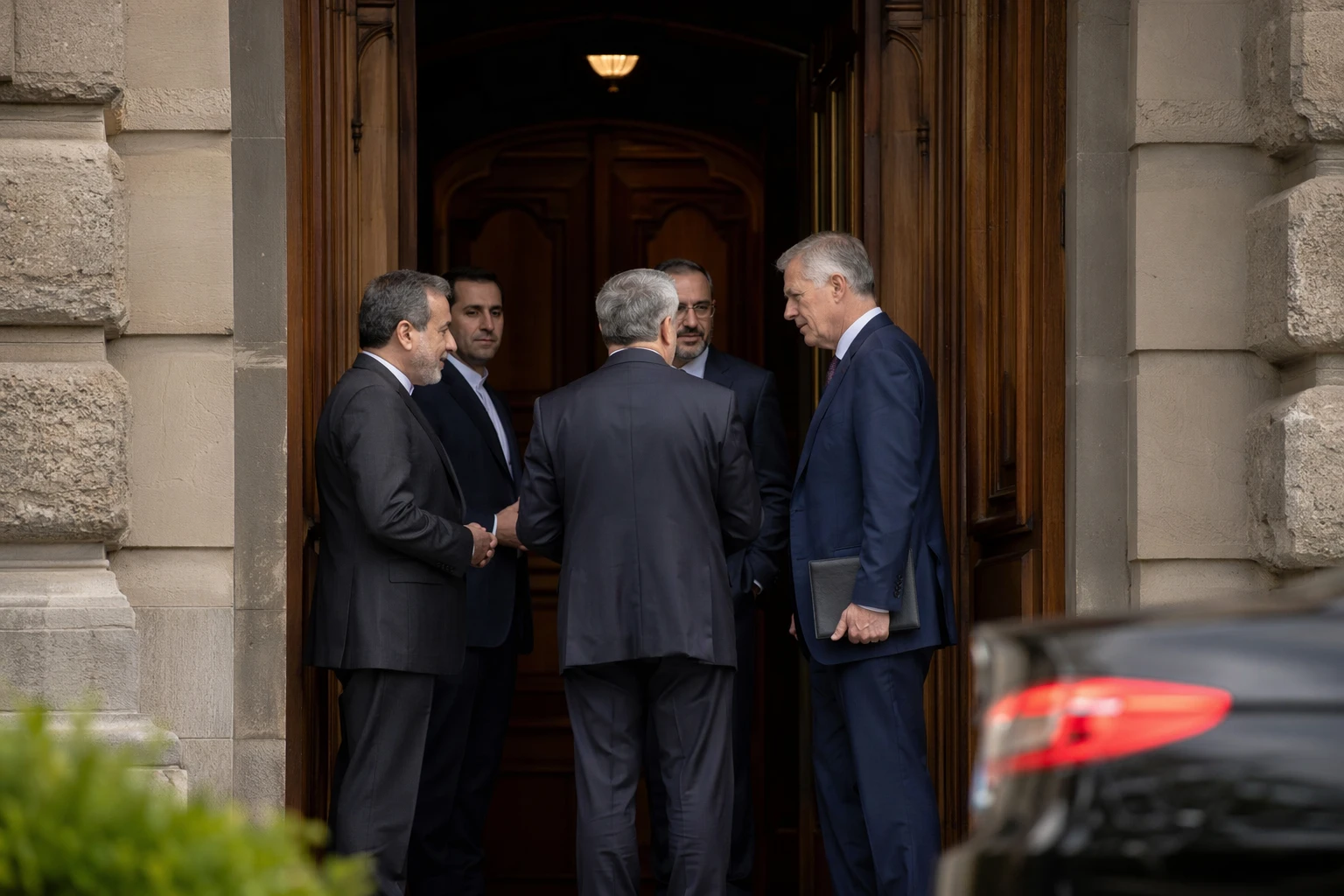
The real test of the new roadmap is whether the process can move from political signaling to enforceable steps. A 60-day framework means the parties have set a deadline, not a settlement, and the new committee will have to keep both governments aligned long enough for technical teams to work through the hard issues. That makes the next phase less about ceremonial contact and more about whether the U.S. and Iran can sustain direct engagement when pressure rises.
The agenda already stretched beyond the nuclear file. Negotiators also confronted fresh tension over the Strait of Hormuz and the war in Lebanon, two flashpoints that could complicate any attempt at a broader agreement. Mediators said the parties made “major progress,” but the substance of that progress will be measured by whether the technical talks produce concrete terms on security, regional de-confliction and the survival of the ceasefire that underpins the negotiations.
For now, the Switzerland meeting suggests both governments still see value in keeping the channel open. A real breakthrough would show up in signed technical understandings, continued committee meetings and a clear path from the 60-day roadmap to a final deal. Without those markers, the talks risk becoming another interim framework vulnerable to the same regional shocks that forced the parties to the table in the first place.
Sources
- [1]abcnews.com
- [2]msn.com
- [3]cbsnews.com
- [4]npr.org
- [5]timesofisrael.com