World
US and Iran reach ceasefire deal, key questions remain
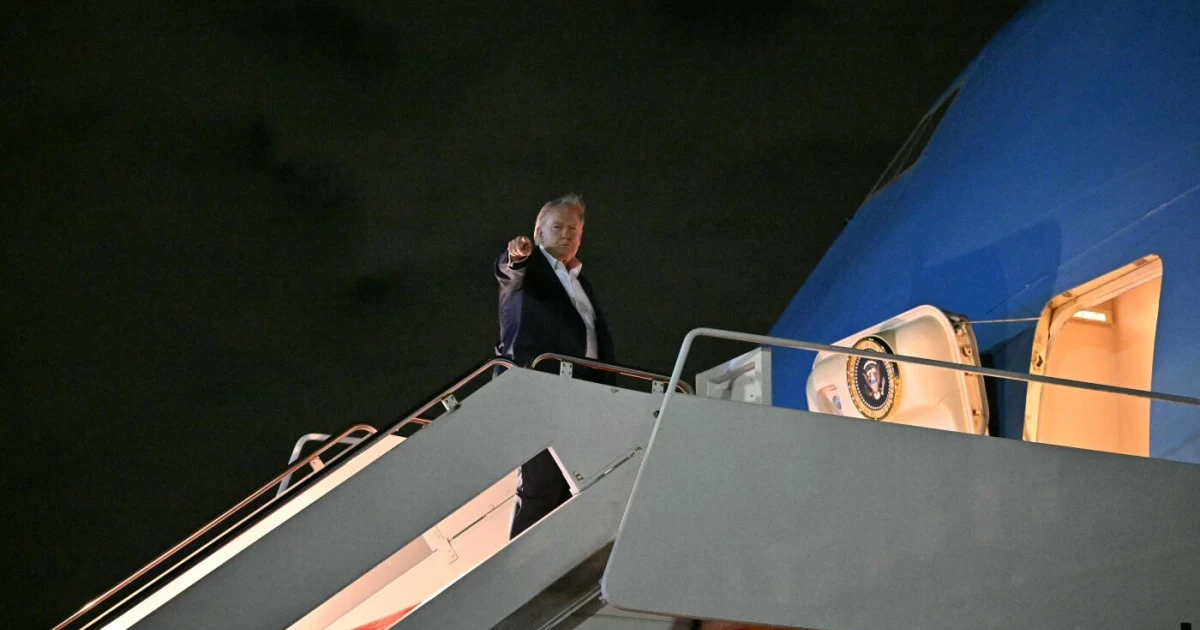
Washington and Tehran agreed to halt their war and reopen the Strait of Hormuz, but the deal immediately raised the question that has shadowed every ceasefire so far: whether either side can make it stick. The United States and Iran said the agreement will take effect on Friday, June 19, 2026, and Donald Trump said the waterway would reopen once the deal was signed, hours before he was set to leave for Europe for the G7 summit.
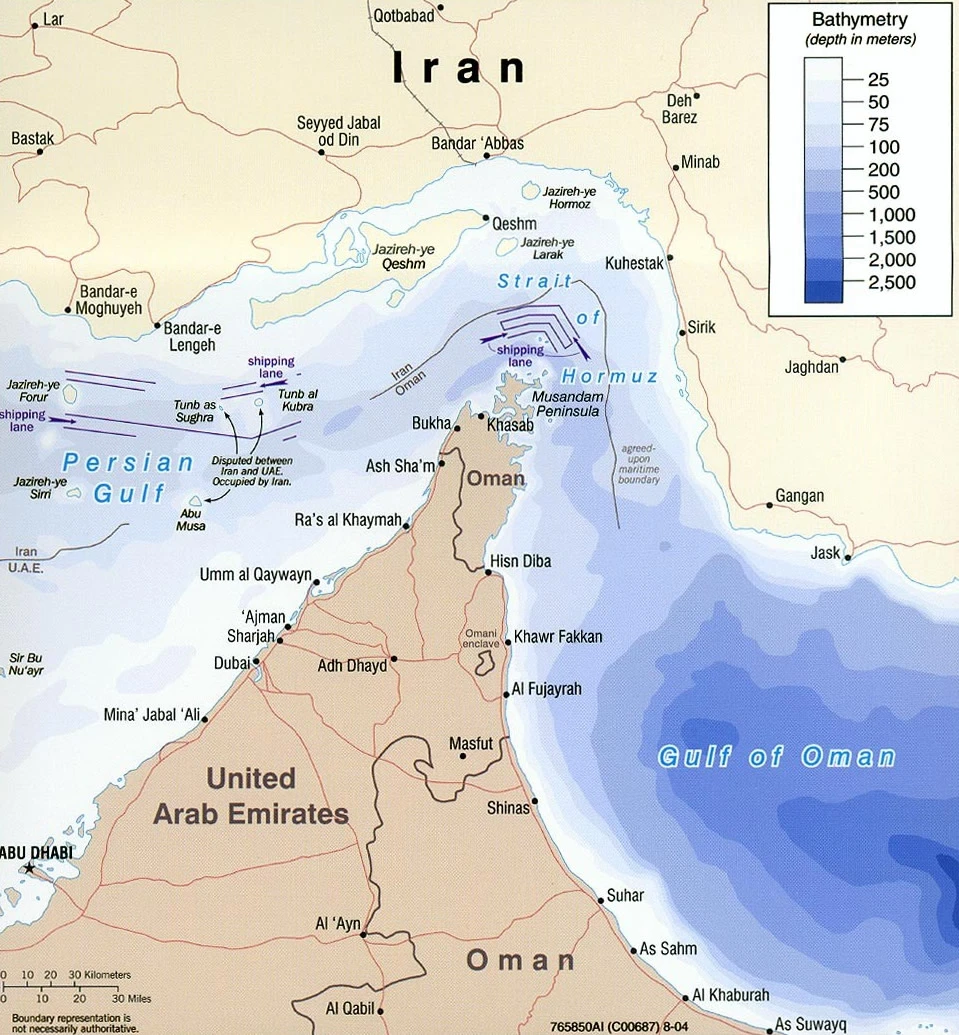
The stakes extend far beyond diplomacy. The International Energy Agency said about 20 million barrels per day of crude oil and oil products moved through the Strait of Hormuz in 2025, making it one of the world’s most important oil chokepoints. At its narrowest point, the strait is only 29 nautical miles wide, with two 2-mile-wide navigable channels. The U.S. Energy Information Administration says it links the Persian Gulf with the Gulf of Oman and the Arabian Sea, and can handle the world’s largest crude tankers.
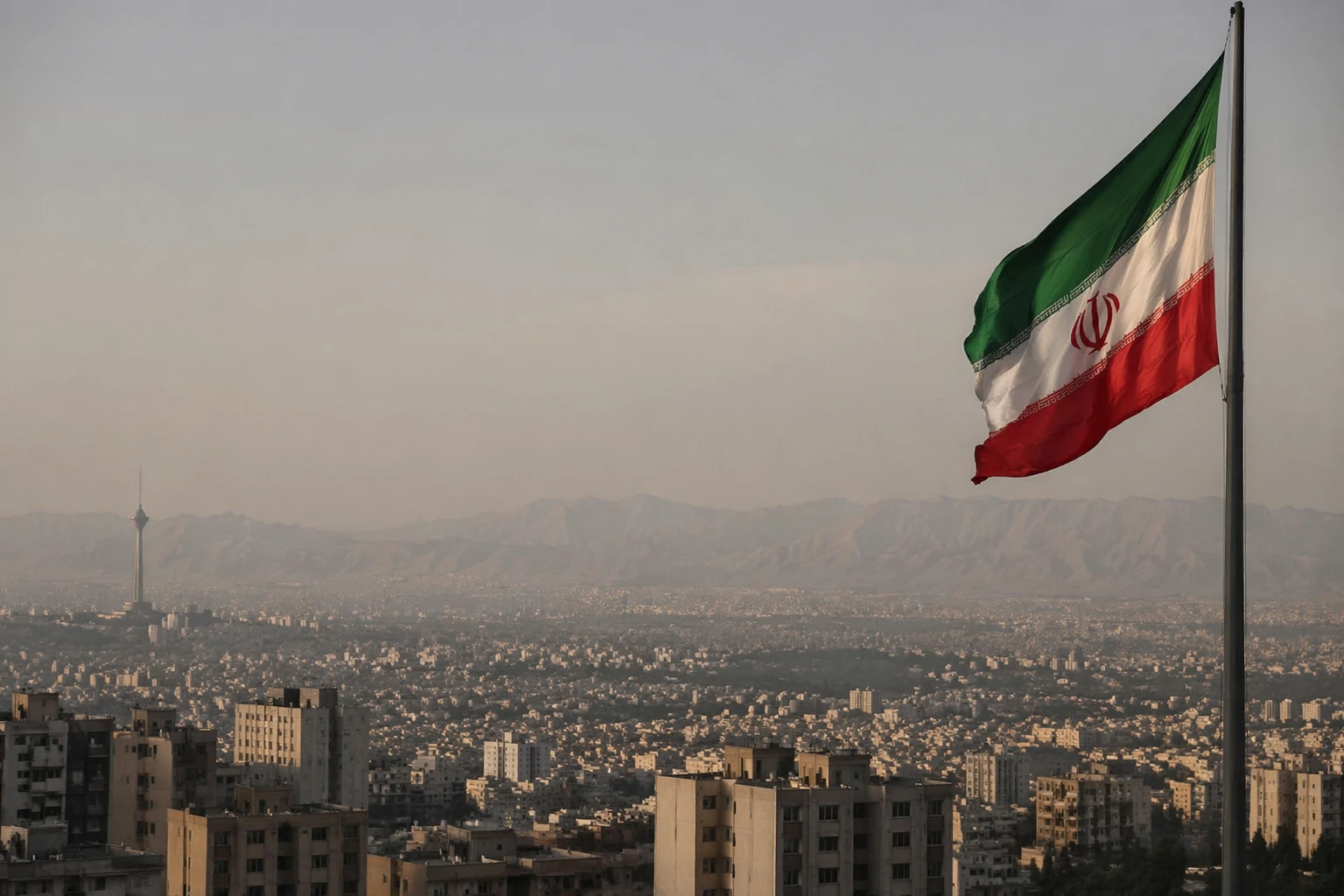
Even with the announcement, the path ahead remains crowded with unresolved questions. Reuters reported that the agreement could still hinge on developments in Lebanon and on later talks over Tehran’s nuclear program. CNN said the central sticking points were nuclear enrichment and reopening the strait, with both governments trying to claim a victory they could sell at home. Iran had not yet committed to signing when a senior U.S. administration official described the prospective deal as meeting Trump’s objectives.

The truce also comes after months of war and repeated tests of restraint. CNN said the conflict began with U.S.-Israeli strikes on February 28, 2026, that killed Iran’s supreme leader. PBS News reported that the ceasefire was already strained by new attacks in the Strait of Hormuz and against the United Arab Emirates in early May, even as U.S. military leaders said it remained in force. CNN said more than 200 commercial vessels had still passed safely through the strait, though that remained well below prewar traffic.
Regional actors have been pulled into the effort to keep the ceasefire alive. Pakistan’s Prime Minister Shehbaz Sharif said Pakistan had been in contact with both sides “day and night” to extend the truce and push a peace deal. Inside Iran, CNN reported growing dissent, but said the regime was still likely to have the final say. For now, the agreement opens a narrow lane to de-escalation, but its survival will depend on enforcement, follow-up talks and whether a shattered region can avoid another round of brinkmanship.
Sources
- [1]news.google.com
- [2]edition.cnn.com
- [3]iea.org
- [4]eia.gov
- [5]usnews.com
- [6]bloomberg.com
- [7]pbs.org
- [8]cnn.com