World
U.S. and Iran reach framework to end war, reopen Hormuz Strait
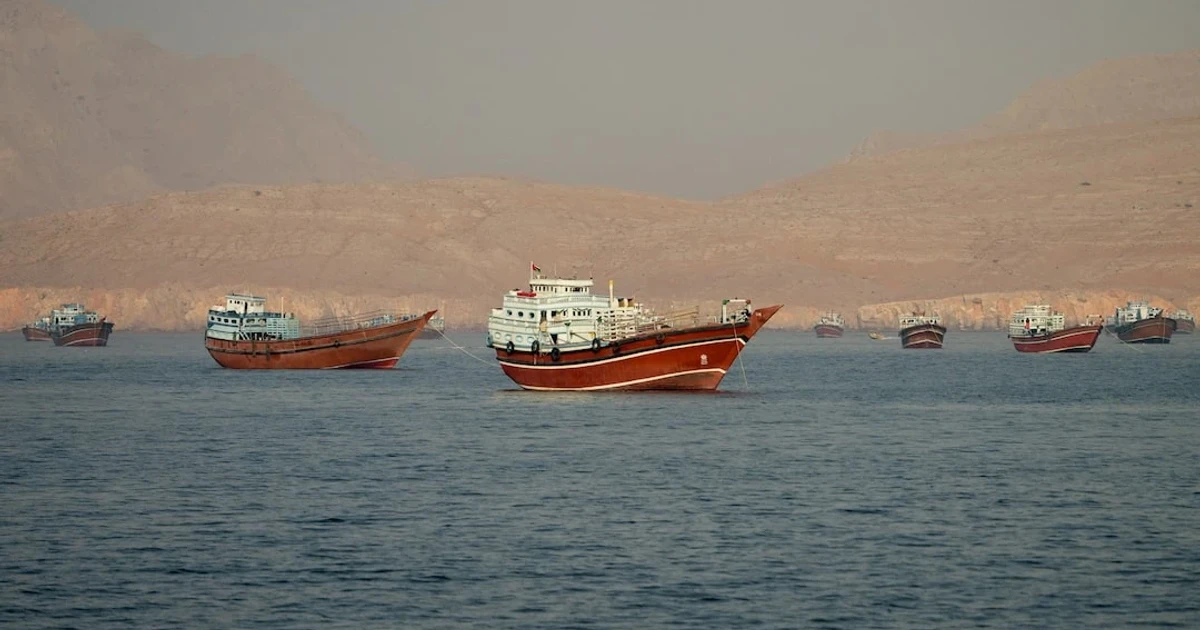
Relief spread quickly across Iran as word emerged that Washington and Tehran had agreed on a framework to end the war and reopen the Strait of Hormuz, a route vital to global oil shipments. For families worn down by months of bombardment, blockade and uncertainty, the news offered the first clear sign that the fighting might ease, even as opponents of the Islamic Republic said the agreement looked like a strategic loss.
U.S. and Iranian officials said on June 14 that they had reached the outline of a deal. Pakistani Prime Minister Shehbaz Sharif said the pact called for the “immediate and permanent termination of military operations on all fronts, including in Lebanon.” Iranian state media later said Deputy Foreign Minister Kazem Gharibabadi confirmed the text had been finalized, while Qatari negotiators spent 17 hours in Tehran helping push the talks over the line. The agreement was reportedly set to be signed on Friday, June 19, in Switzerland.
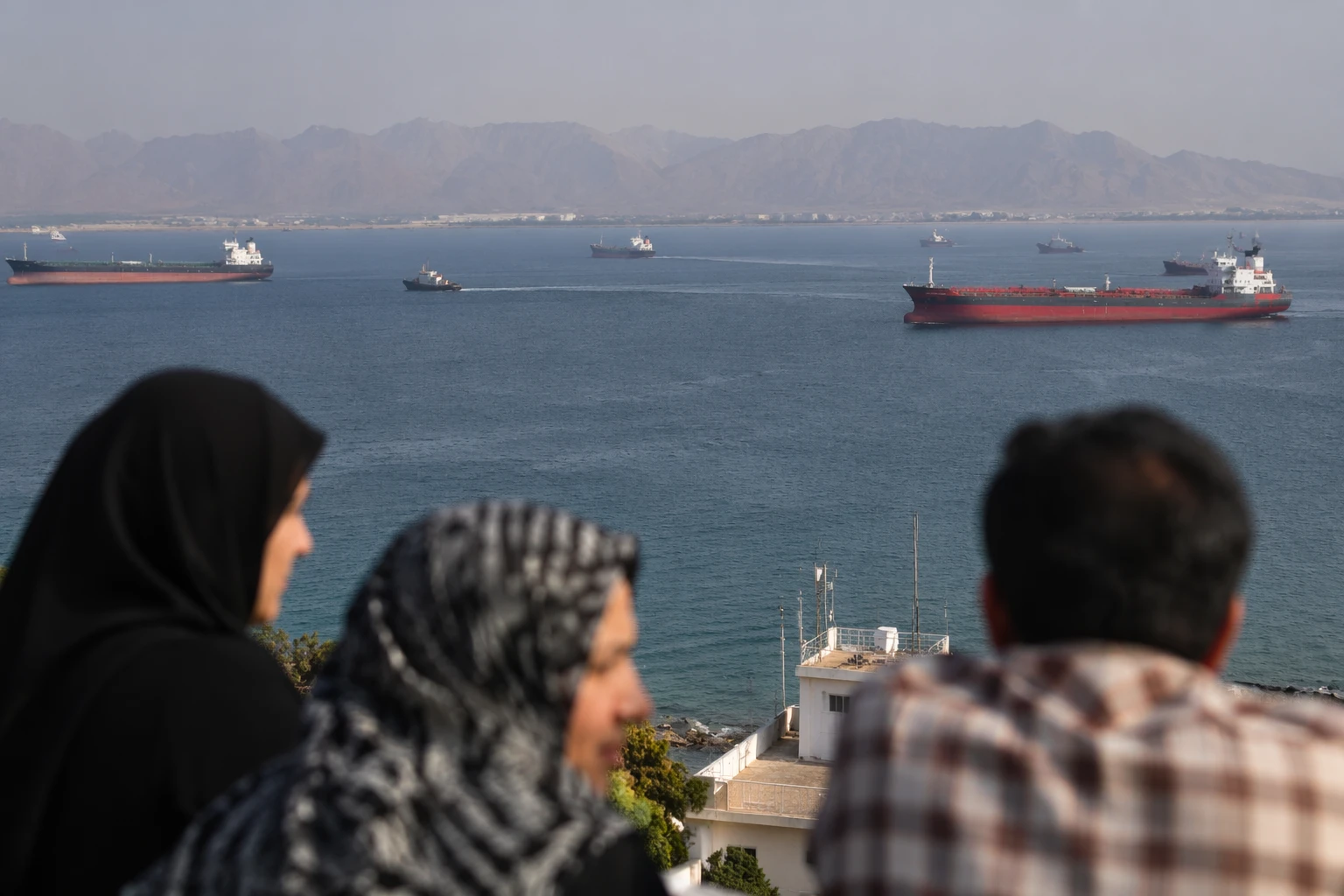
The framework left the most contentious issues for later negotiations, including Iran’s nuclear program, sanctions relief and the fate of frozen Iranian assets. That uncertainty underscored how fragile the arrangement remains, even as financial markets reacted to the prospect of calmer shipping lanes. Brent crude and West Texas Intermediate both fell more than 4% after the announcement, a sharp reminder of how closely the world’s energy prices still track events at the Strait of Hormuz.
Inside Iran, reaction split along familiar lines. Some citizens described a sense of relief at the prospect of an end to the bombing and the blockade, but others expressed anger and distrust, arguing that outside powers were bargaining over Iran’s future while ordinary people paid the price. One message reflected that frustration bluntly: “We the people of Iran do not want a 60-day ceasefire or agreement.”
The fear goes beyond diplomacy. Some Iranians worry that any ceasefire could strengthen the Islamic Republic at home if leaders claim victory and turn to harsher repression. That concern comes after months in which the United Nations and human-rights groups warned of surging executions, mass arrests and crackdowns on dissent. United Nations officials said Iranian rights were being eroded in “harsh and brutal ways.”
The war, which began on February 28, has already killed thousands, mostly in Iran and Lebanon. Against that backdrop of death, displacement, inflation and political fear, even a limited pause in fighting looks to many Iranians less like a triumph than a chance to breathe.
Sources
- [1]nytimes.com
- [2]cbsnews.com
- [3]rte.ie
- [4]iranintl.com
- [5]timesofisrael.com
- [6]un.org
- [7]reuters.com