World
US and Iran reach framework to reopen Strait of Hormuz, talks continue
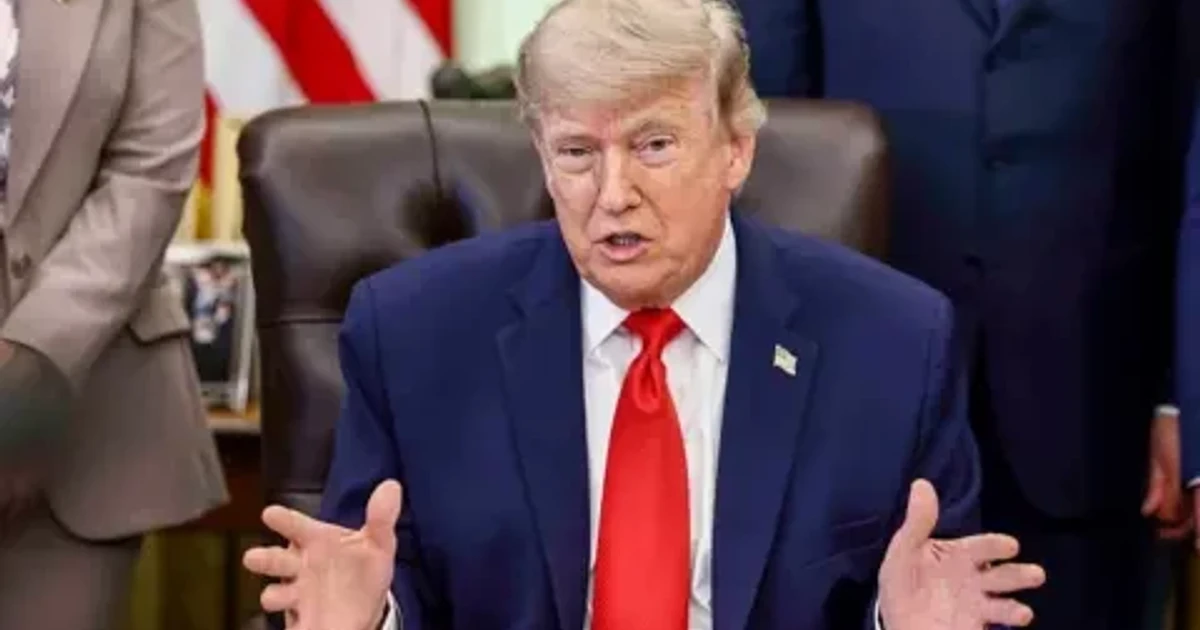
Donald Trump sold the Iran deal as a breakthrough that would restore shipping through the Strait of Hormuz and ease pressure on consumers. But the framework announced June 15 left Iran’s nuclear program for later talks, extending a 60-day ceasefire while the most contentious issue stayed open.
The initial agreement, reached after more than three months of war that began on February 28, 2026, was set to be formally signed Friday, June 19, in Switzerland. It would reopen the Strait of Hormuz, a critical global energy chokepoint, and that prospect immediately pushed oil prices lower as markets welcomed the chance of steadier flows through one of the world’s most vulnerable shipping lanes.
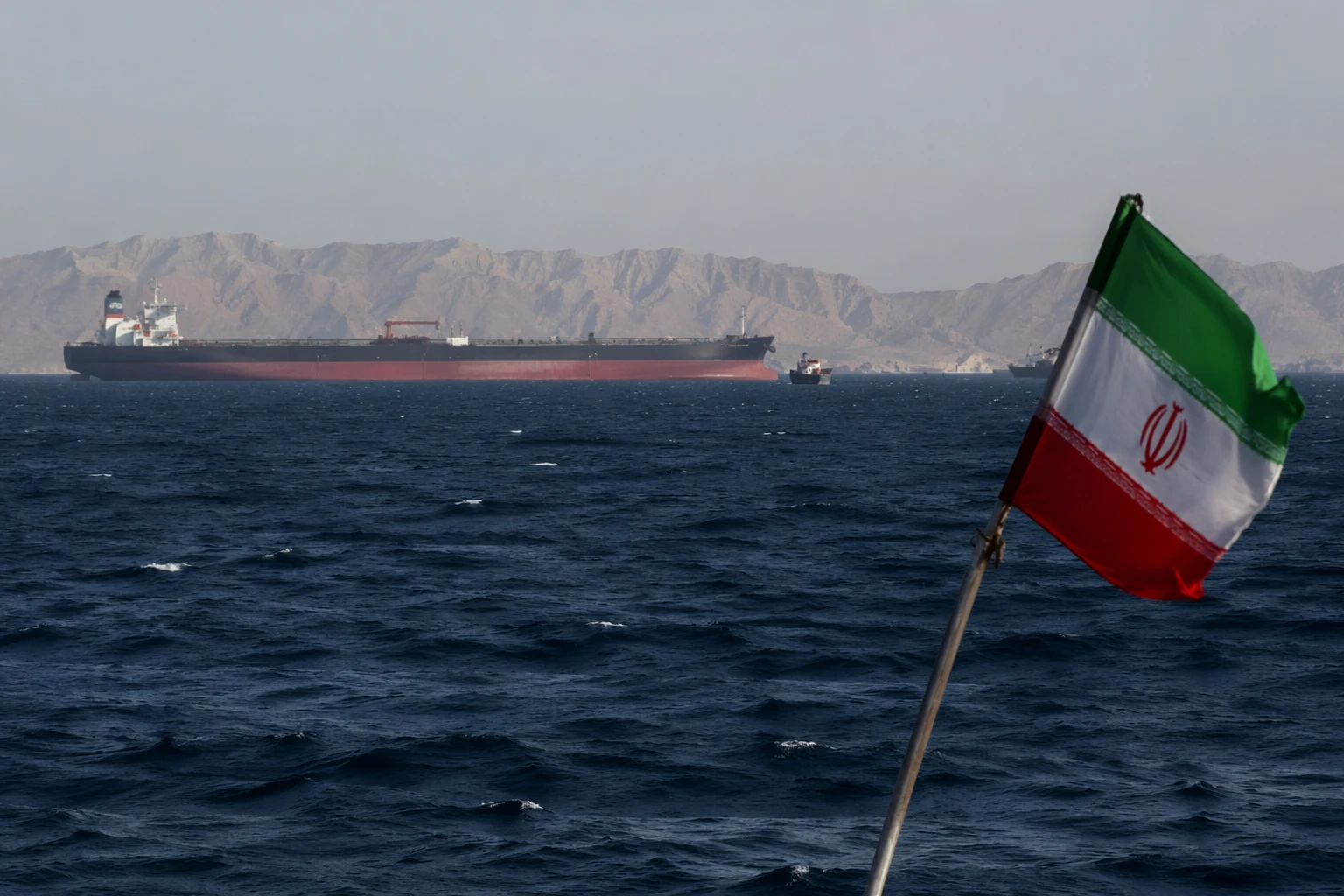
Even so, the deal stopped well short of a final settlement. Iran’s nuclear program was left unresolved, with further negotiations expected to decide whether Tehran makes concessions and what Washington gets in return. Reuters reported that the pact may also depend on an end to hostilities in Lebanon, adding another layer of uncertainty to an agreement that still leaves key details under negotiation, including how compliance would be verified and whether sanctions relief or frozen Iranian assets will be part of the final package.
That is the gap at the center of the political scorecard. The administration can point to a ceasefire extension, the reopening of Hormuz and an immediate market response as signs of progress. But the unresolved nuclear file means the core leverage question remains unanswered: whether Washington has traded away pressure before securing the limits on Iran’s program that it set out to achieve.

Shipping interests in Asia and Europe were still cautious, saying confidence in transit through Hormuz could take weeks to rebuild even if the route reopens on paper. European leaders and Japan welcomed the agreement, and some European nations signaled openness to lifting sanctions if Iran curbs its nuclear program. Iranian officials and state media framed the accord as either a victory or a forced concession by Washington, underscoring how both sides are already claiming momentum from a deal that has not settled the central dispute.
Sources
- [1]nytimes.com
- [2]usnews.com
- [3]apnews.com
- [4]cnbc.com
- [5]reuters.com
- [6]politico.com