World
U.S. and Iran reach oil-export deal as war talks continue
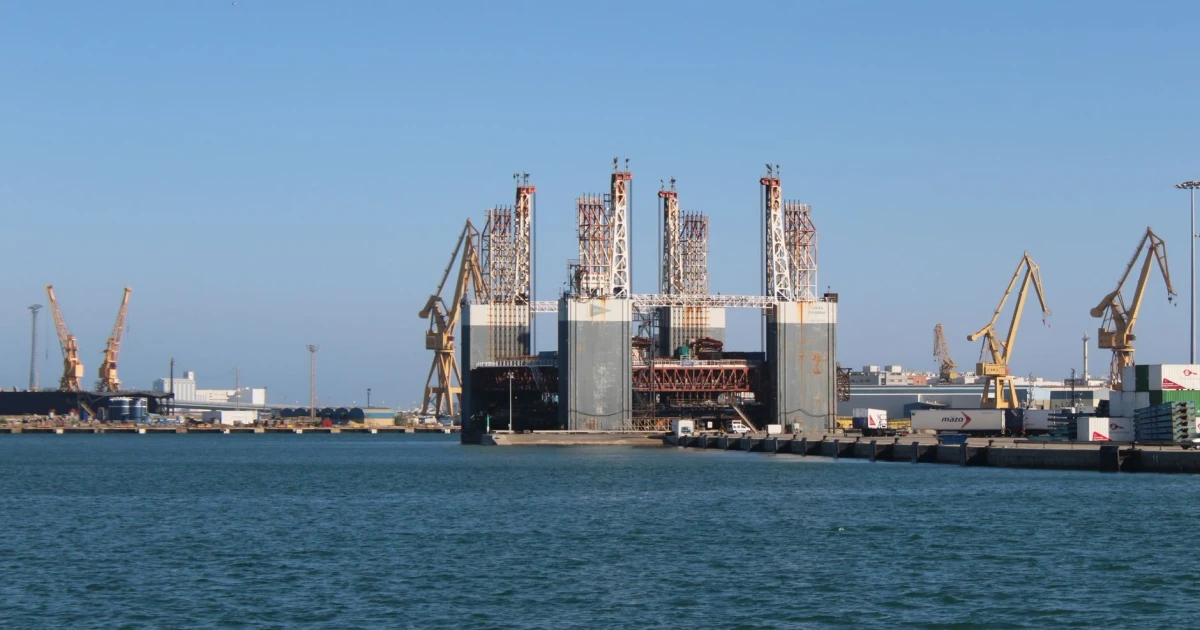
Senior U.S. officials laid out a 14-point memorandum with Iran that would let Tehran begin exporting oil and petroleum products immediately after signing, a move with direct consequences for energy markets, shipping lanes and the leverage both sides can claim in the next phase of talks. The framework, read to reporters on a call Wednesday, June 17, tied sanctions relief to a broader effort to end the war, reopen the Strait of Hormuz and settle the remaining nuclear dispute over the next 60 days.
The deal would direct the U.S. Treasury to issue waivers covering Iranian crude oil exports, petrochemical products and derivatives, along with related banking, insurance and transportation services. That matters because the relief is not limited to tankers at sea; it would reach the financial and logistical channels that have kept Iran’s sanctions-hit economy constrained for years. Reports also said Iran would not receive access to frozen funds all at once, but only as implementation advanced, underscoring that Washington was trying to make every step conditional.
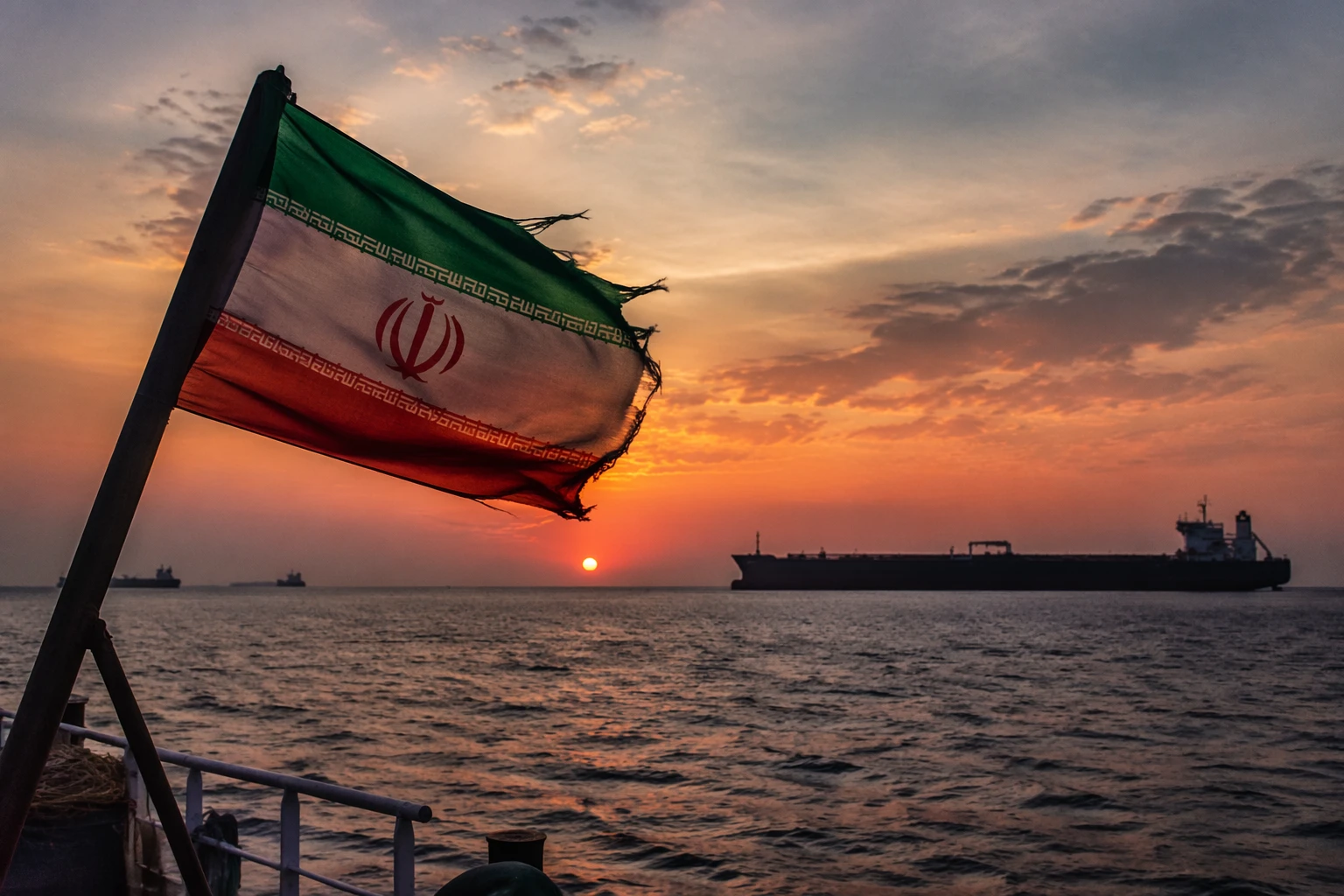
The maritime provisions are just as consequential. Reporting said commercial traffic through the Persian Gulf, the Sea of Oman and the Strait of Hormuz would be restored, while the U.S. naval blockade of Iranian ports would begin lifting immediately and be fully ended within 30 days. That would alter a chokepoint that carries a major share of global oil and shipping traffic, giving the agreement immediate reach far beyond Tehran and Washington.

The memorandum also called for an immediate and permanent end to military operations on all fronts, including in Lebanon. Yet the text was not presented as a final peace treaty. Iran has not officially released the memorandum, and several outlets said uranium enrichment and inspections remain unresolved, leaving the core verification question open as technical talks continue.
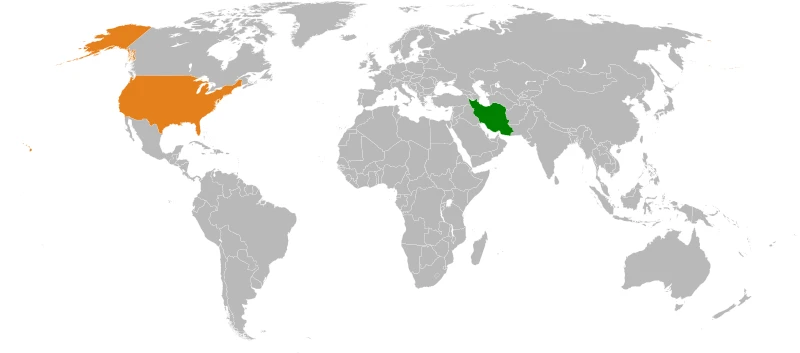
That split between early economic relief and deferred nuclear details is what sets the framework apart from earlier Iran talks. Instead of waiting for a final accord before sanctions relief, the U.S. would start waivers first and link broader normalization to compliance and verification over a 60-day negotiating window. Congress and allied governments are likely to focus on that sequencing, especially if they view the deal as giving Iran immediate revenue and shipping access before enrichment limits and inspection rules are locked in.
Sources
- [1]cbsnews.com
- [2]al-monitor.com
- [3]abcnews.com
- [4]newsweek.com
- [5]militarytimes.com
- [6]thesheffieldpress.com