World
U.S. and Iran reach preliminary cease-fire deal, markets rally
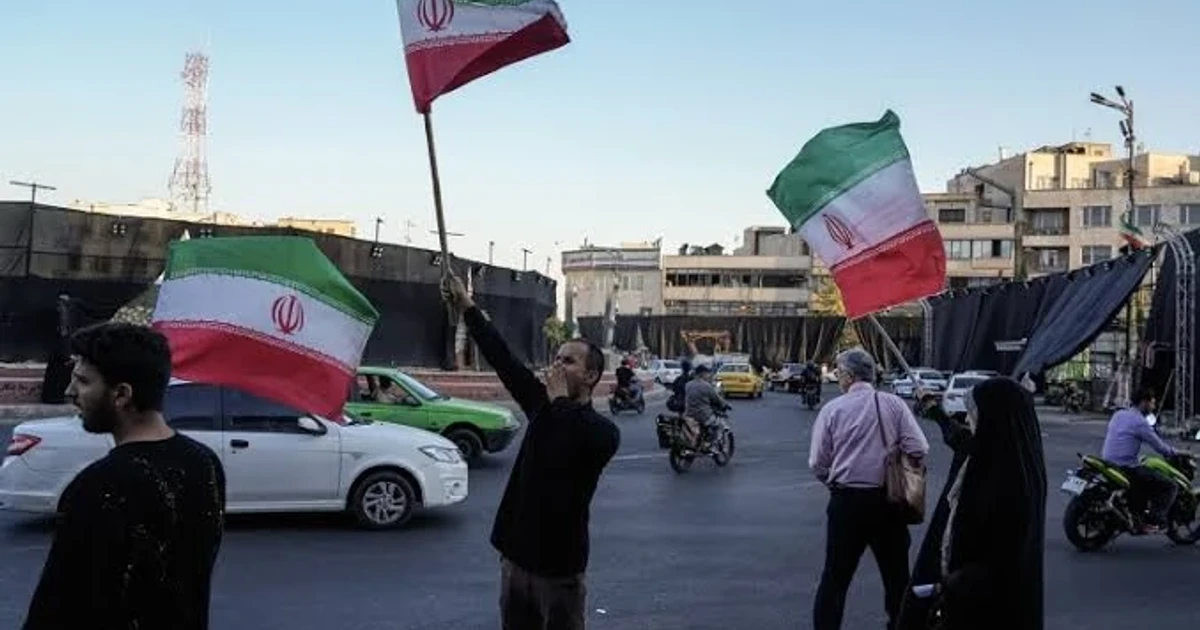
A fragile U.S.-Iran cease-fire framework is moving on a narrow set of incentives: reopen the Strait of Hormuz, calm markets, and buy 60 days for sanctions and nuclear talks. Its durability will turn on verification, not ceremony, because the hardest issues, Iran’s nuclear and missile programs, regional security and the fate of enriched uranium stocks, remain unsettled.
The outline reported over June 14 and 15 calls for a formal signing in Switzerland on June 19, with Pakistan’s Prime Minister Shehbaz Sharif playing a central mediating role. President Donald Trump said the deal was complete and that Vice President JD Vance, Steve Witkoff and Jared Kushner were expected at the signing. Iran’s deputy foreign minister, Kazem Gharibabadi, said a “permanent and immediate end to the war” had been declared and that Iran would begin carrying out its commitments after the signing.
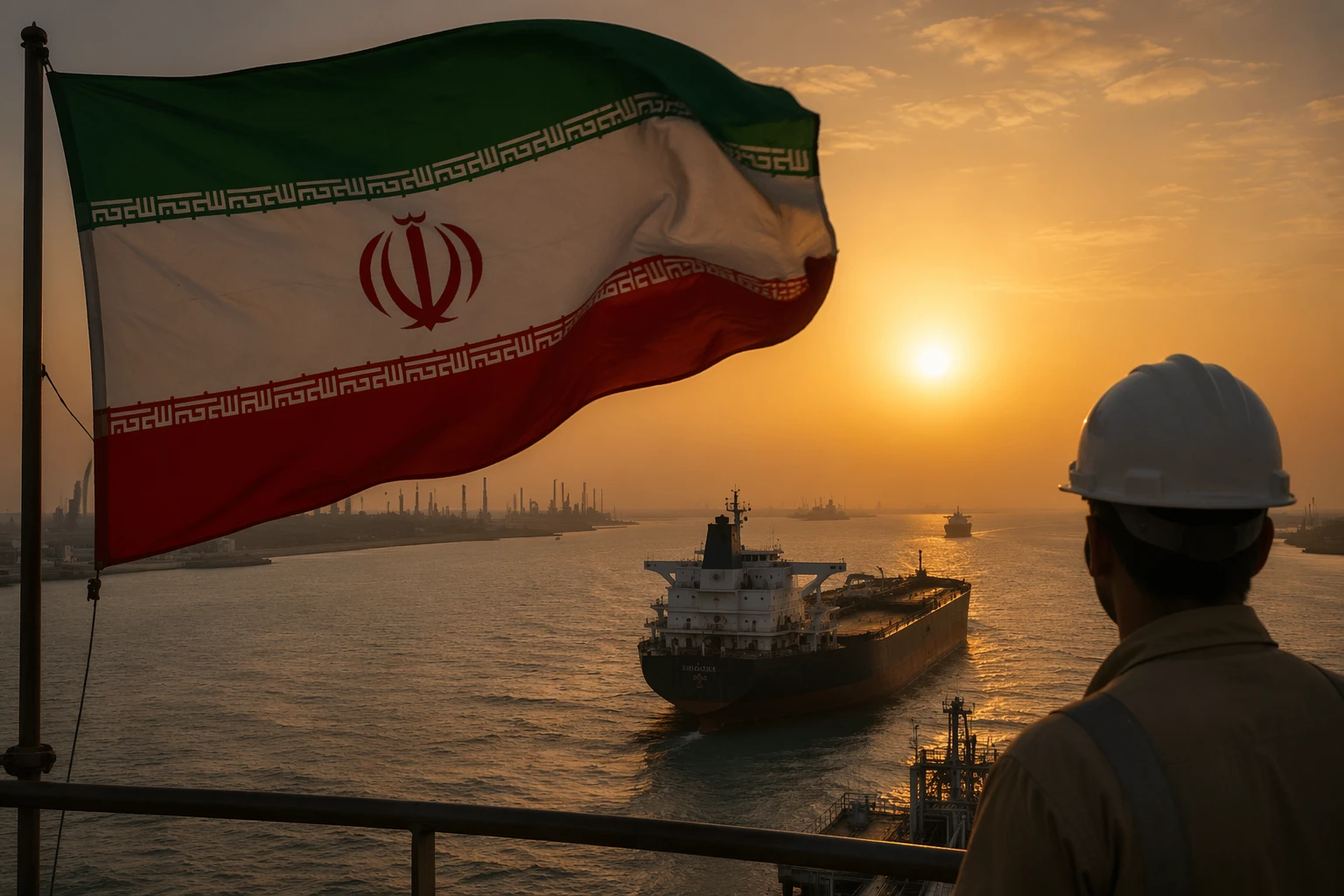
The first phase is expected to focus on reopening the Strait of Hormuz, the chokepoint for nearly one-fifth of global oil and natural gas supply. Only after that would the two sides enter 60 days of negotiations on sanctions relief and Iran’s nuclear program. That sequencing gives both governments something immediate to show at home, but it also creates a clear tripwire: any interruption in shipping, enforcement or inspection could collapse the arrangement before the broader talks begin.
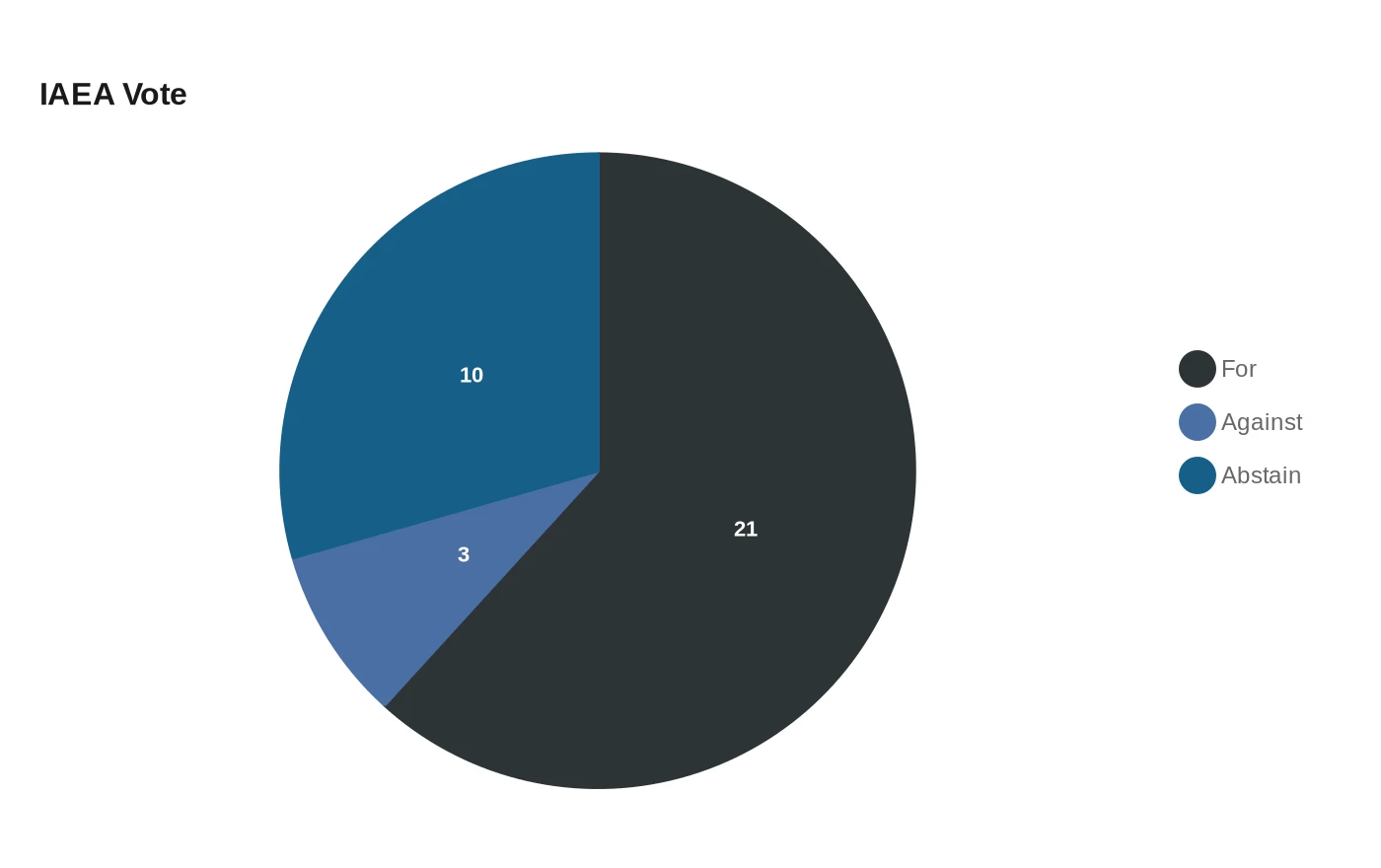
The verification problem is already acute. On June 10, the International Atomic Energy Agency’s Board of Governors adopted a U.S.-backed resolution by 21 votes in favor, 3 against and 10 abstentions, pressing Iran to declare its remaining enriched uranium stocks and allow verification. The agency said it had been unable to verify previously declared high-enriched uranium for nearly a year, after military attacks on Iranian nuclear facilities in June 2025 forced inspectors to withdraw for safety reasons.

That history explains why the new framework is being tested against more than diplomacy. The 2015 Joint Comprehensive Plan of Action, signed on July 14, 2015, relied on extensive monitoring, and the International Atomic Energy Agency estimated its 2025 monitoring costs at €10.4 million a year, including €4.6 million in extrabudgetary contributions. Any new deal will need similarly durable access, clearer accounting for uranium inventories and enough political cover in Washington and Tehran to survive the next crisis, whether it comes from sanctions disputes, missile testing or pressure from Israel and Iran’s regional proxies.
For now, the market reaction has been immediate. Oil prices fell and stocks rose, reflecting relief that the world’s most sensitive energy corridor may be opening again. Whether that rally lasts will depend on whether both sides can turn a preliminary truce into a verified agreement with rules strong enough to withstand the next violation.
Sources
- [1]nytimes.com
- [2]cfr.org
- [3]time.com
- [4]iaea.org
- [5]2009-2017.state.gov