World
US and Iran reach preliminary deal to reopen Strait of Hormuz
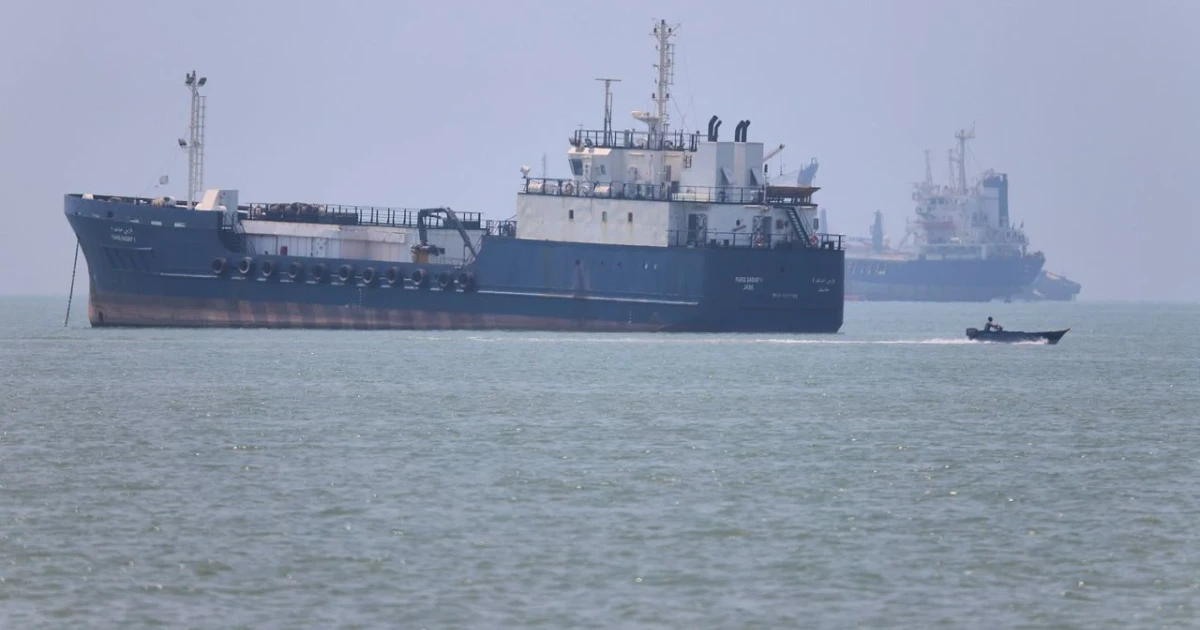
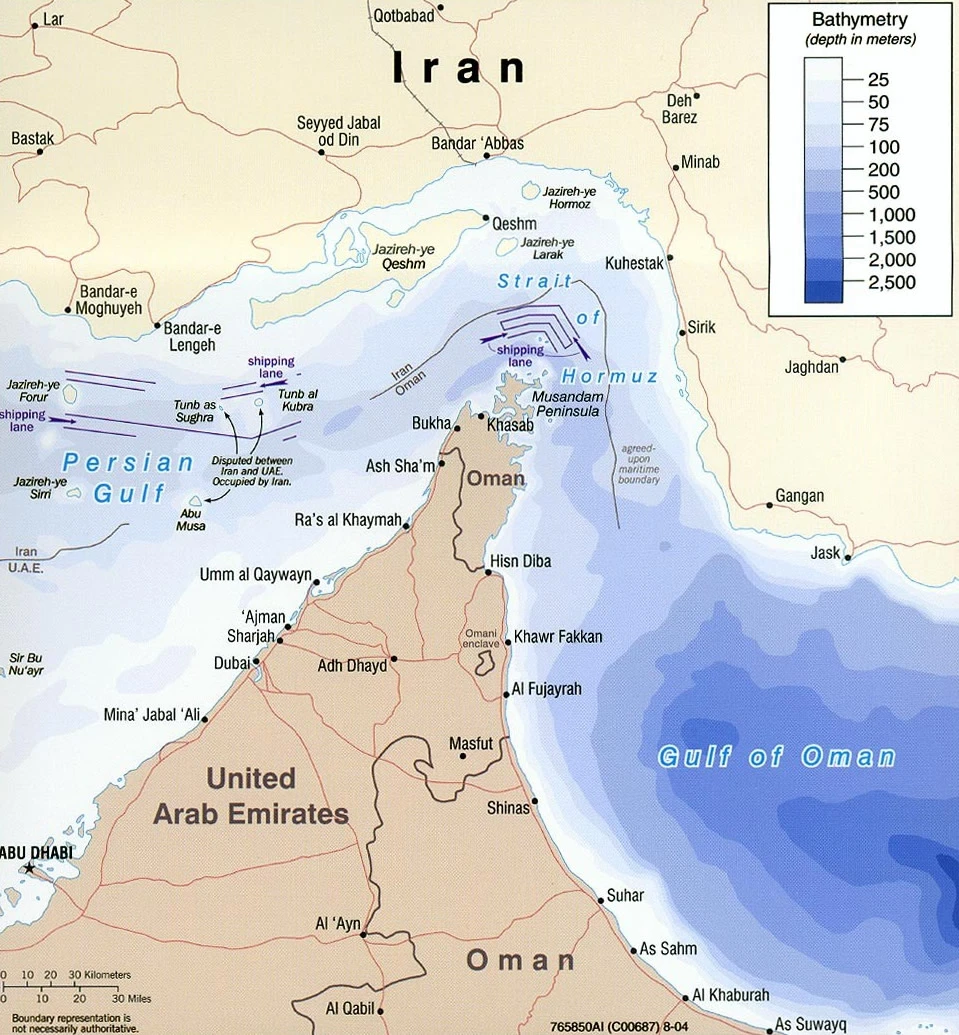
A last-minute U.S.-Iran framework aimed to calm the Strait of Hormuz, restart Iranian oil shipments, and steady markets shaken by nearly four months of war. But the deal was only a preliminary memorandum of understanding, not a signed final treaty, and its full text had not been released.
The agreement was expected to reopen the strait and allow Iran to resume oil and petroleum exports immediately, while the most combustible questions were left unresolved. Iran’s nuclear program and broader regional security arrangements were pushed into later negotiations, a choice that made the deal look less like a breakthrough than a stopgap with a deadline attached.
Negotiators were preparing for a signing ceremony in Geneva, with Friday under discussion as the target, and some accounts said follow-on talks could last 60 days. That timetable reflected how much had been left hanging. The framework was also reported to stand down the U.S. naval blockade, but it did not settle the deeper political fight over what kind of relationship Washington and Tehran would have once the immediate shipping crisis passed.
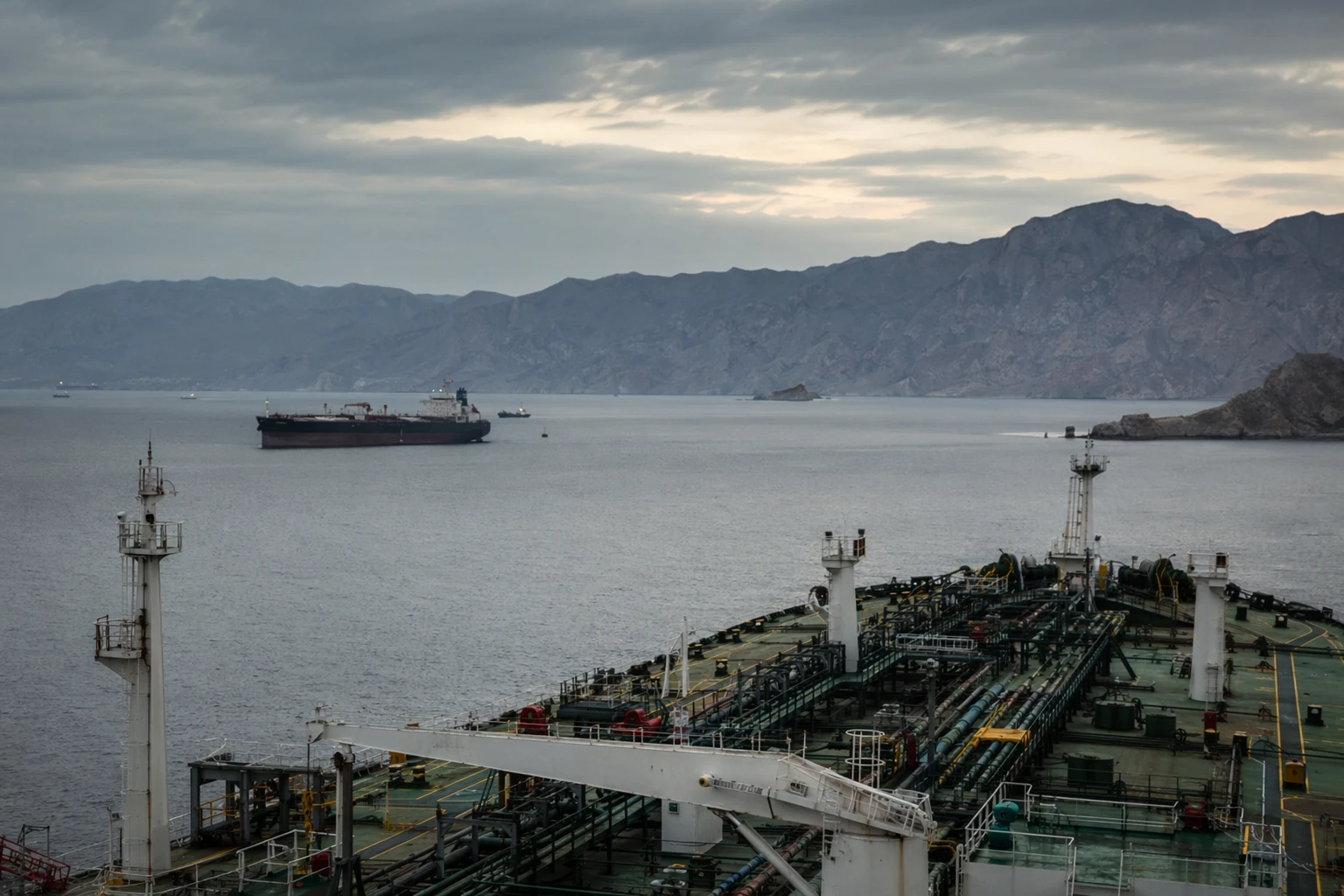
The deal came after intense U.S. pressure on Iran. In the weeks before the agreement, the State Department announced sanctions aimed at Iran’s shadow oil economy, illicit financial networks, LPG smuggling and digital asset exchanges. The department said it was disrupting efforts to evade sanctions and had targeted a network that smuggled hundreds of millions of dollars’ worth of Iranian liquefied petroleum gas to markets in South and East Asia.
The broader diplomatic backdrop was already charged. The United States has imposed restrictions on Iran under various legal authorities since 1979, after the seizure of the U.S. Embassy in Tehran. On June 10, the United States and several allies condemned Iranian state threat activity in Europe, North America and Australia, citing threats to dissidents, journalists and Jewish and Israeli communities. Washington also said the 2026 NPT Review Conference failed to reach consensus and again named Iran as a continuing nonproliferation concern.
Reaction to the framework split quickly. Some observers welcomed it as a way to end a war that had rattled oil markets. Others warned it looked uncomfortably close to a return to the pre-war status quo, with the hardest issues postponed rather than solved. The political risk was obvious: if either side sells the agreement at home as a victory too large for what it actually is, the fragile opening in Geneva could collapse before it becomes a durable settlement.
Sources
- [1]nytimes.com
- [2]cnbc.com
- [3]time.com
- [4]state.gov
- [5]atlanticcouncil.org
- [6]npr.org
- [7]politico.com