Business
U.S. and Iran reach tentative deal to reopen Strait of Hormuz
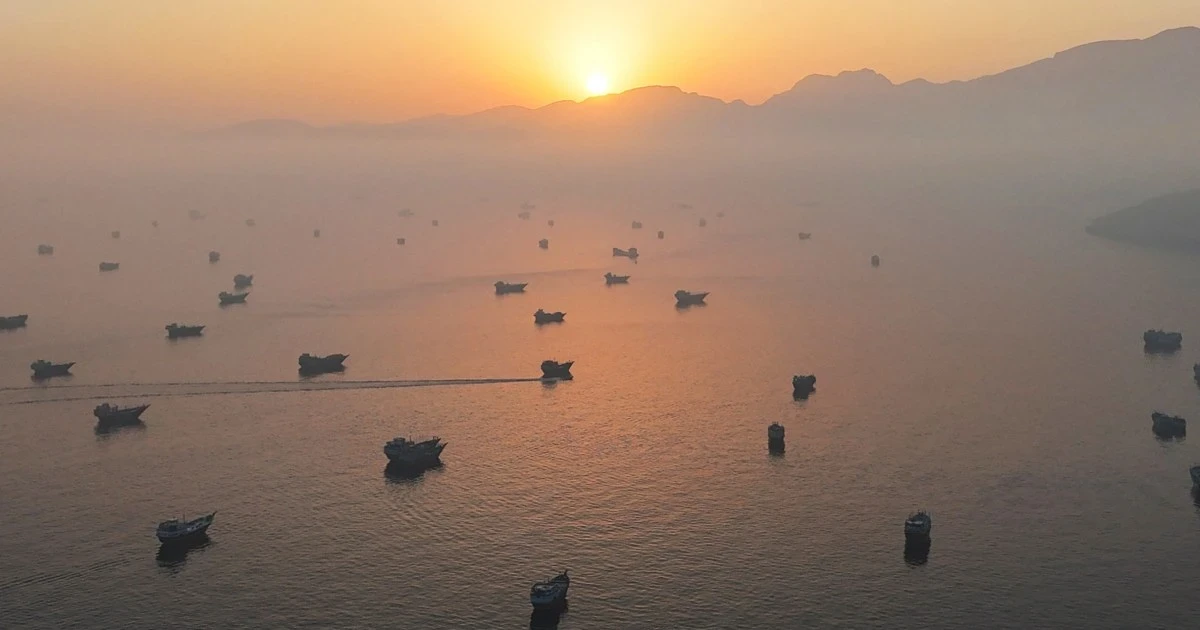
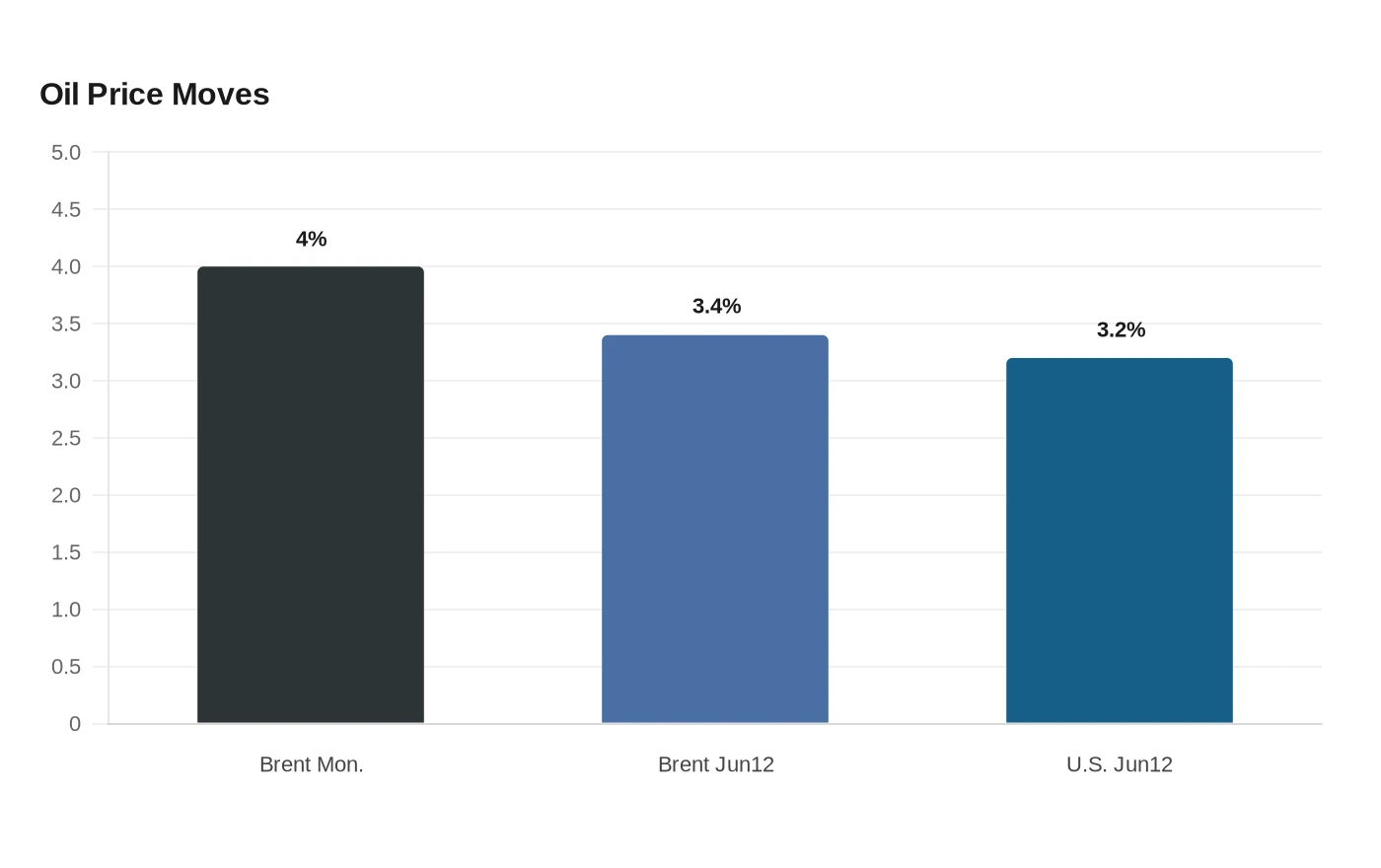
Energy markets greeted the U.S.-Iran breakthrough with caution, not celebration. Brent crude fell about 4% in early Monday trading, a sharp move but far short of the rout that would normally follow news that one of the world’s most important oil chokepoints is set to reopen.
The restraint reflected what traders still do not know. The agreement was described as an interim, preliminary pact that leaves Tehran’s nuclear program for later negotiations, and officials were set to meet in Switzerland on June 19 to formally sign it. President Donald Trump declared on Truth Social that “The Deal with the Islamic Republic of Iran is now complete,” then said the Strait of Hormuz would reopen on Friday. Pakistan’s prime minister, Shehbaz Sharif, said Pakistan helped mediate the breakthrough.
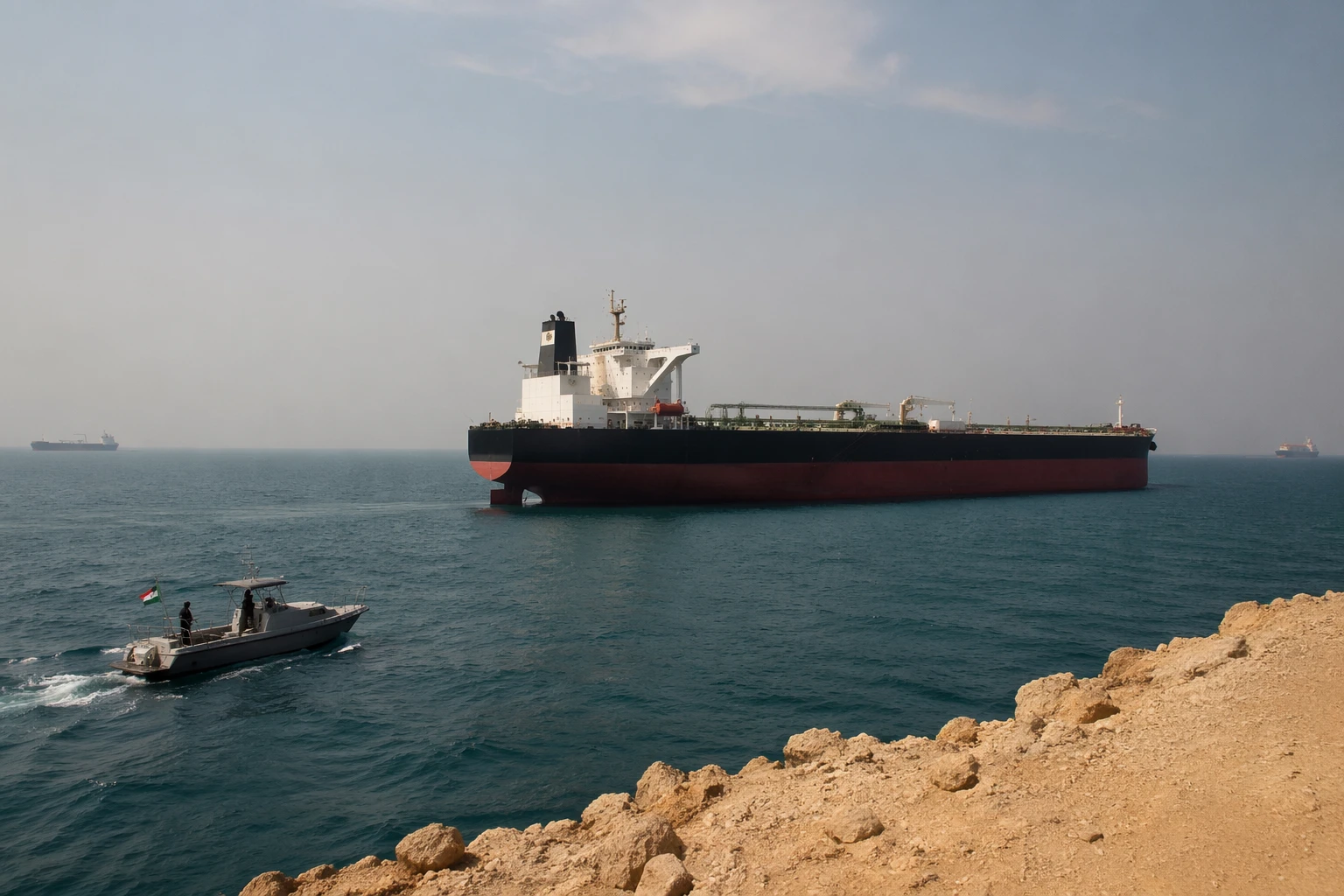
Even before Monday’s reaction, oil had been easing as deal hopes built. On June 12, U.S. crude fell 3.2% to $84.88 a barrel and Brent slipped 3.4% to $87.33, after a senior Trump administration official put the odds of an agreement at about 80%. The U.S. Energy Information Administration also noted on June 9 that the world was consuming about 1 million fewer barrels of oil a day on average than a year earlier, a sign that softer demand could blunt the price impact of any disruption or recovery in the Gulf.
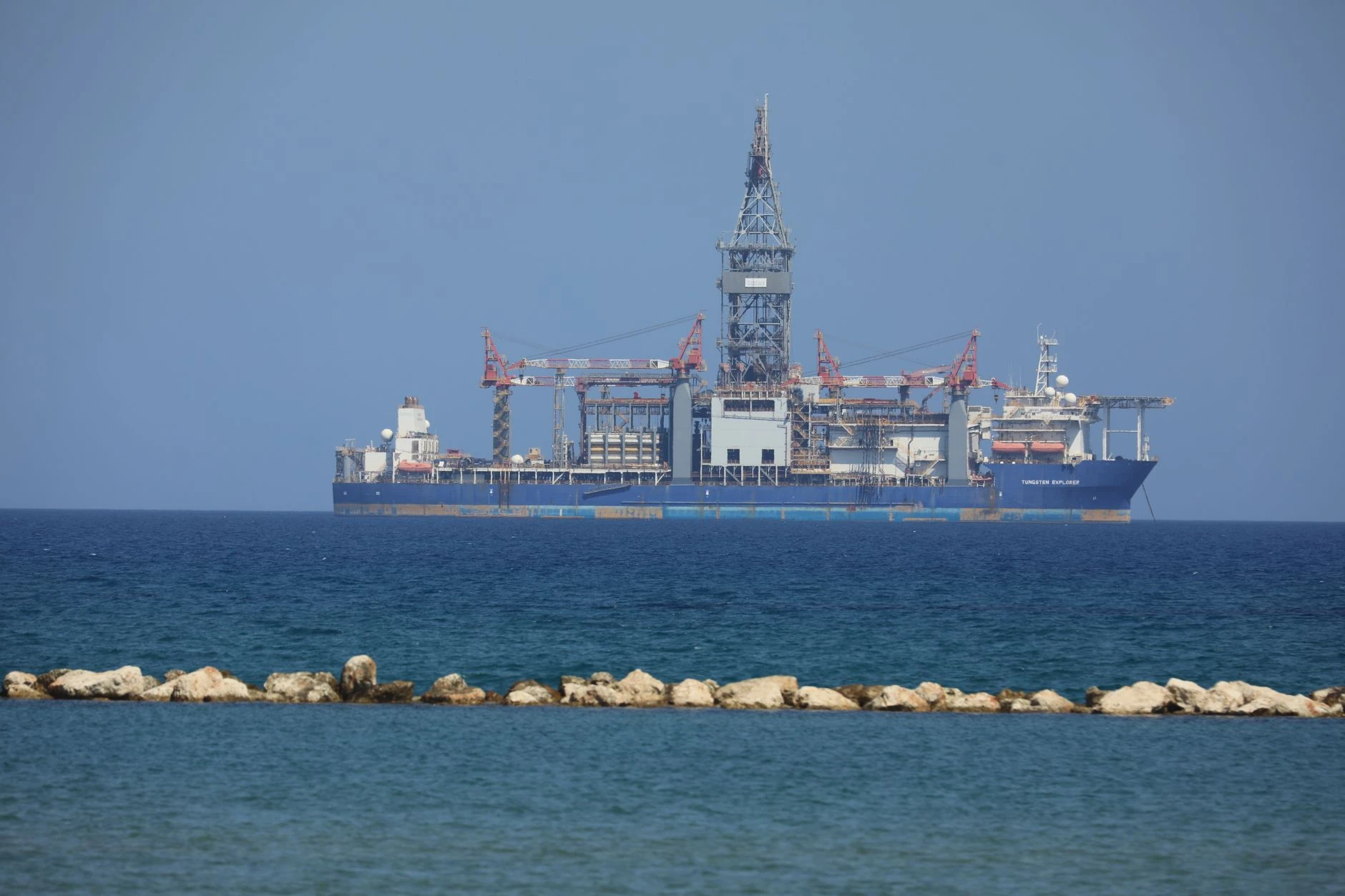
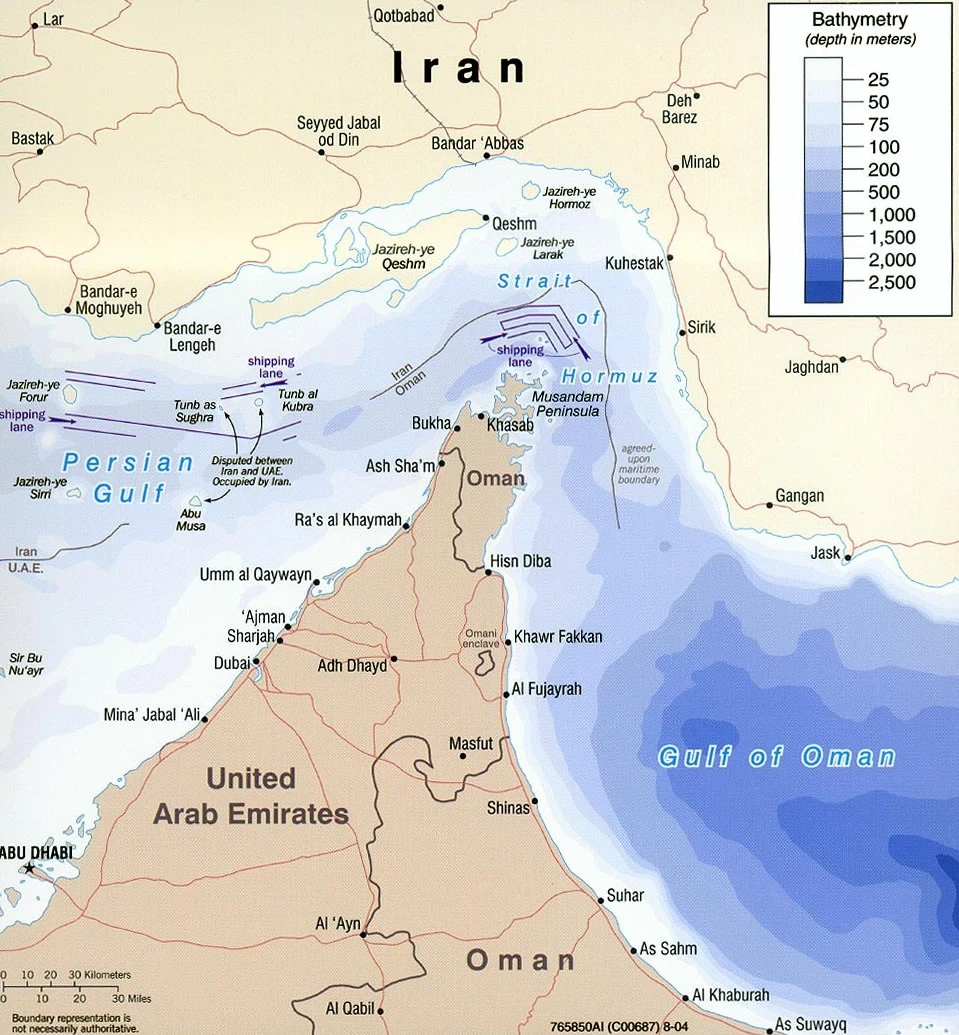
The stakes remain large. The Strait of Hormuz carries roughly one-fifth of the world’s seaborne oil and a major share of liquefied natural gas, making even a partial reopening significant for tankers, refiners and gas buyers across Asia and Europe. But the restart is expected to be slow, and analysts have questioned how quickly shipping will normalize after months of war and energy disruptions that killed thousands and rattled markets.
Those doubts are why oil may not fall much further, even if the agreement survives. Reuters said the pact could hinge on an end to hostilities in Lebanon, and there was no immediate reaction from Israel. With key terms still unresolved and the nuclear question pushed to later talks, traders appear to be pricing a diplomatic thaw, not full resolution. Whether cheaper crude reaches U.S. consumers at the pump will depend on whether that thaw holds long enough for tankers, insurers and refiners to treat Hormuz as fully open again.
Sources
- [1]nbcnews.com
- [2]al-monitor.com
- [3]bloomberg.com
- [4]cnbc.com
- [5]eia.gov
- [6]reuters.com