World
US and Iran report progress toward final deal to end war

The United States and Iran left Bürgenstock with concrete terms on the table: a 60-day road map toward a final deal, a return of United Nations nuclear inspectors to Iran, and a communication line meant to keep the Strait of Hormuz open for commercial shipping. Mediators from Qatar and Pakistan said the first round also produced a de-confliction cell involving the United States, Iran and Lebanon, a mechanism aimed at reducing the risk of renewed fighting.
Vice President JD Vance, who led the American delegation in Switzerland on Sunday and Monday, June 21-22, said the talks produced “a lot of good progress.” Before departing for the United States, he said, “We laid a very good foundation for a successful final deal. The final deal is the house.” That framing matters politically: the administration is presenting the current stage not as peace, but as a structured pathway that still has to survive verification, regional security guarantees and domestic opposition in both capitals.
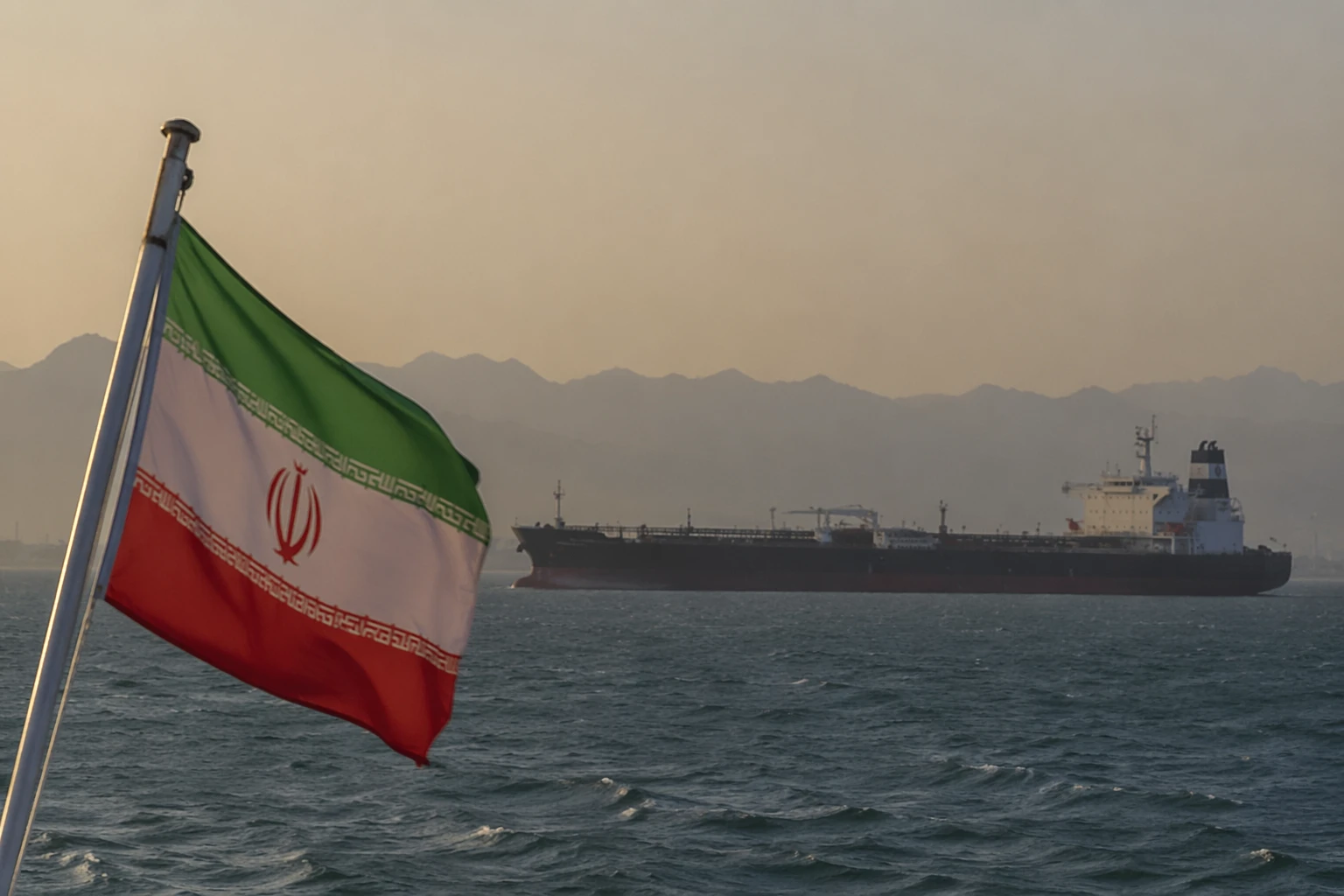
The most immediate enforcement issue is inspections. Vance said Iran agreed to allow United Nations nuclear inspectors back into the country, a step that gives the deal a verification track instead of relying only on promises. The broader security arrangement is still more fragile. The talks were also meant to address Lebanon and the Strait of Hormuz, two flashpoints that could quickly unravel any breakthrough if fighting resumes or shipping is disrupted.
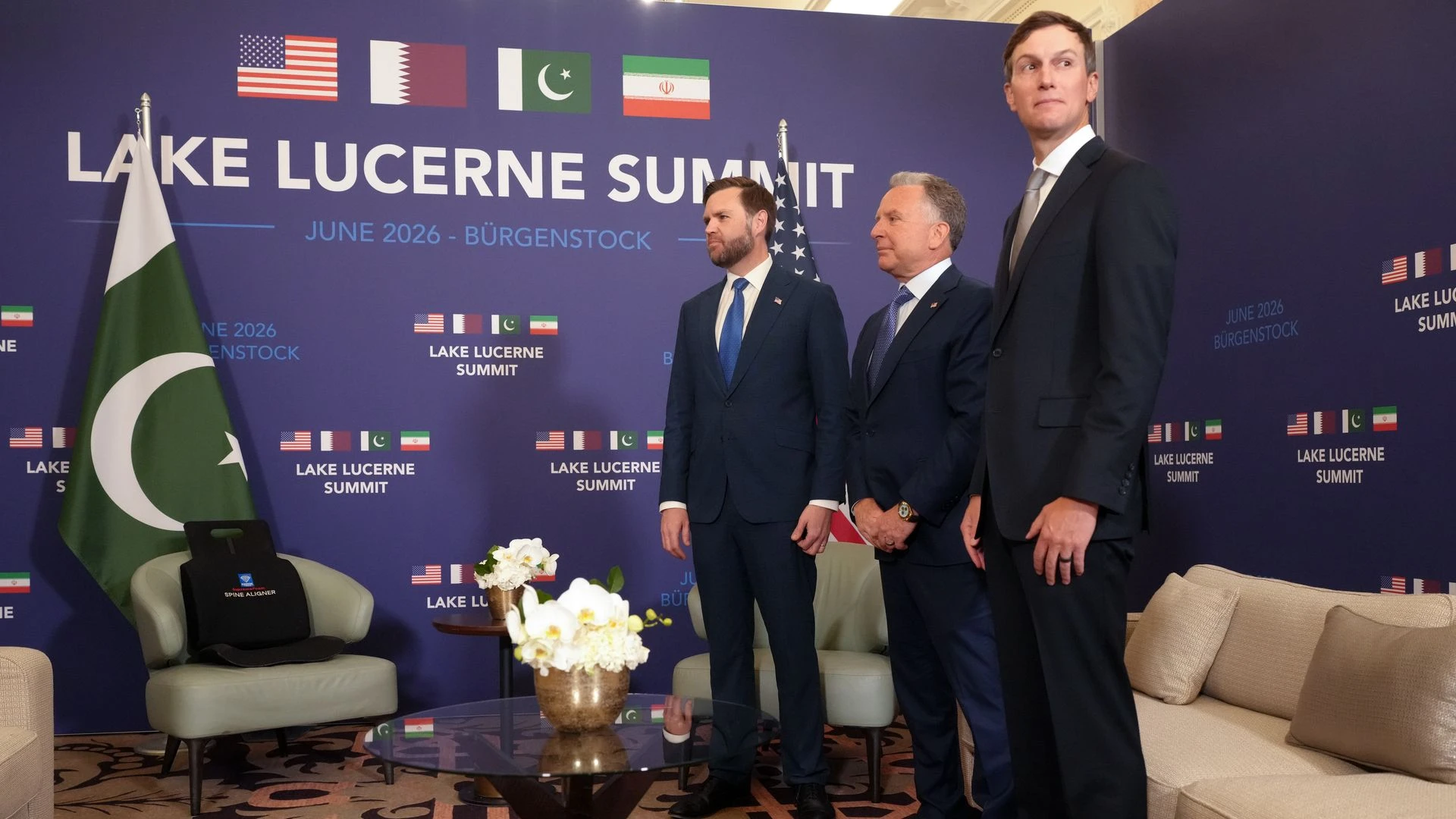
Mediators said the parties agreed to a roadmap for a final deal within 60 days, with technical talks set to continue for the rest of the week after the initial round ran deep into Monday. Switzerland said it provided a discreet and reliable setting for the negotiations at Bürgenstock under a memorandum of understanding between the United States and Iran, with Pakistan facilitating and Qatar offering support.
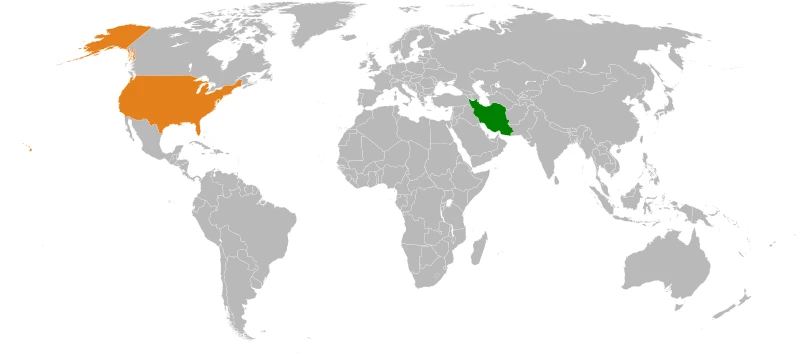
The political test now shifts to both governments. The White House has to convince skeptics that the roadmap can produce a verifiable end to the war, not just another pause in hostilities, while Donald Trump’s renewed threats of strikes underscore how quickly the process could collapse. Iran, meanwhile, has to sell inspectors and regional de-confliction as safeguards, not surrender, even as pressure builds over Lebanon, the Strait of Hormuz and the wider conflict.
Sources
- [1]nbcnews.com
- [2]apnews.com
- [3]eda.admin.ch
- [4]cnbc.com
- [5]reuters.com
- [6]cnn.com