US News
US and Iran Representatives Gather in Pakistan for Peace Talks
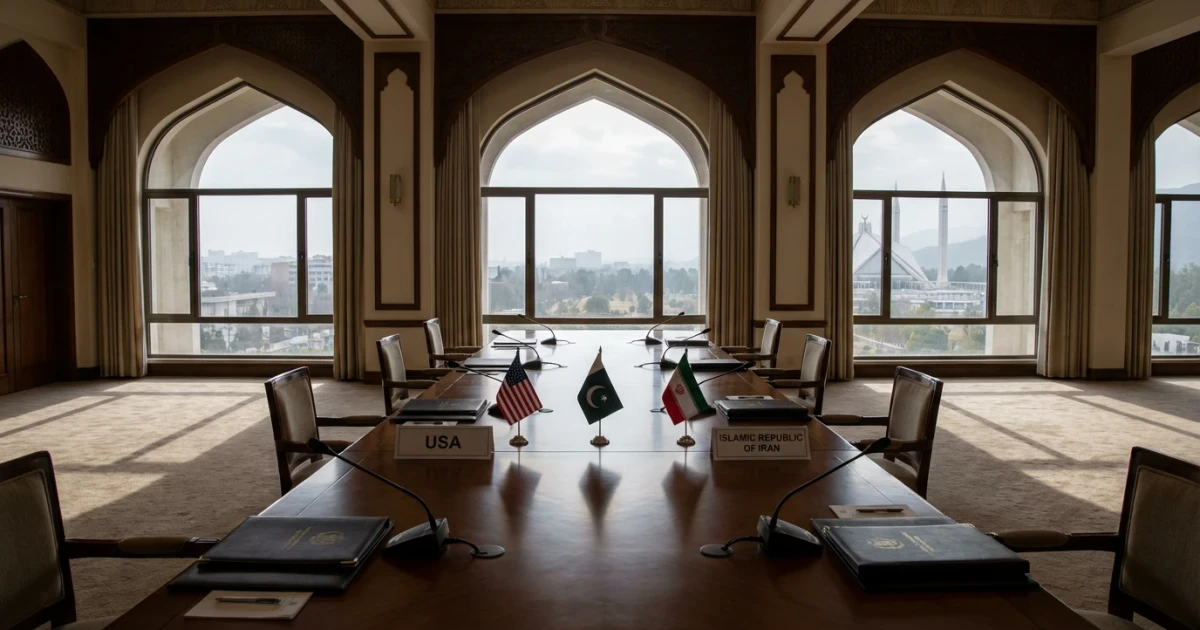
US and Iranian negotiators have arrived in Pakistan for a new round of peace talks aimed at de-escalating the ongoing conflict in the Middle East, according to reports from BBC and other international outlets. The talks, which bring together diplomats from both nations, have garnered significant global attention as the region faces heightened tensions and humanitarian concerns.
High-Level Delegations Meet in Islamabad
The latest round of discussions is being hosted in Islamabad, Pakistan, a location chosen for its historical neutrality and diplomatic ties with both the US and Iran. Live updates from BBC report that delegations representing Washington and Tehran arrived in the Pakistani capital early this week, signaling a mutual willingness to explore diplomatic solutions. The meetings are expected to focus on de-escalation strategies, humanitarian access, and possible frameworks for a ceasefire.
Background: Years of Tension and Recent Crises
The presence of both US and Iranian negotiators in Pakistan comes after a period of intense confrontation in the region, with the Middle East crisis drawing in multiple international actors. According to a Brookings Institution analysis, the US and Iran have a long history of fraught relations, marked by cycles of hostilities and brief negotiations. Recent months have seen an escalation in rhetoric and military posturing, pushing the need for talks to the forefront of international diplomacy.
- The 2023 US Department of State report on Iran highlighted continued human rights concerns and military actions contributing to regional instability.
- Pakistan has previously served as a mediator in regional disputes, leveraging its position as a neighbor to Iran and a strategic partner to the US.
- Public opinion in the region, as tracked by Pew Research Center surveys, reflects widespread concern about the potential for further conflict and support for diplomatic engagement.
Goals and Expectations for the Peace Talks
Diplomatic sources suggest that the primary objectives of these talks include:
- Securing an immediate ceasefire to prevent further civilian casualties
- Establishing humanitarian corridors for aid delivery
- Setting the stage for broader negotiations on regional security and sanctions relief
The UN Security Council continues to monitor the situation closely, with existing sanctions and arms embargoes shaping the context of negotiations. The SIPRI Arms Transfers Database shows a recent uptick in military shipments to the region, underscoring the urgency of diplomatic progress.
International Response and Challenges Ahead
The arrival of negotiators in Pakistan has been welcomed by several international leaders and organizations, who stress the importance of dialogue over escalation. However, analysts at the International Crisis Group caution that deep-seated mistrust and divergent strategic interests could complicate the path to a lasting agreement. The talks are seen as a critical first step but not a guaranteed breakthrough.
What Comes Next?
As discussions unfold in Islamabad, observers will be watching for signs of tangible progress, such as joint statements, agreements on humanitarian relief, or commitments to further negotiations. The stakes remain high, with millions affected by the conflict and the potential for broader regional destabilization if diplomacy falters.
For ongoing updates and in-depth analysis, readers can follow BBC’s live coverage and consult resources like the Council on Foreign Relations’ US-Iran relations backgrounder for historical context and key developments.
The international community will be closely monitoring the outcome of these talks, hoping for a move toward peace in a region long plagued by conflict and uncertainty.