World
U.S. and Iran resume indirect talks in Qatar over Hormuz shipping
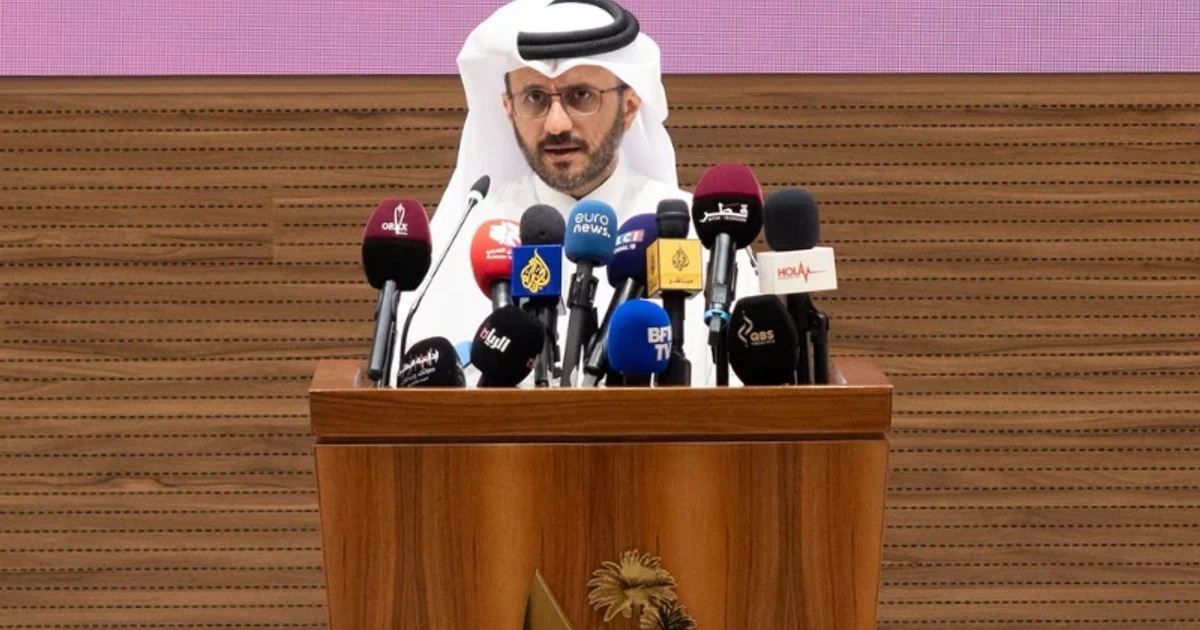
U.S. and Iranian negotiators ended two days of indirect talks in Doha on July 1 without any sign of a breakthrough toward lasting peace, even as Qatar described the discussions as making “positive progress.” The gap between the upbeat language and the narrow agenda was stark: the talks centered on shipping through the Strait of Hormuz and the unfreezing of Iranian funds, not a completed nuclear settlement.
The Doha round was conducted through Qatari mediators, with the American and Iranian delegations kept apart. Steve Witkoff and Jared Kushner represented the U.S. side in Doha, while Iran’s delegation was led by Deputy Foreign Minister Kazem Gharibabadi. The format underscored how limited the contact remained, despite months of indirect diplomacy earlier in 2026 in Oman and Switzerland and repeated public confusion over whether a high-level meeting would even happen in Qatar.
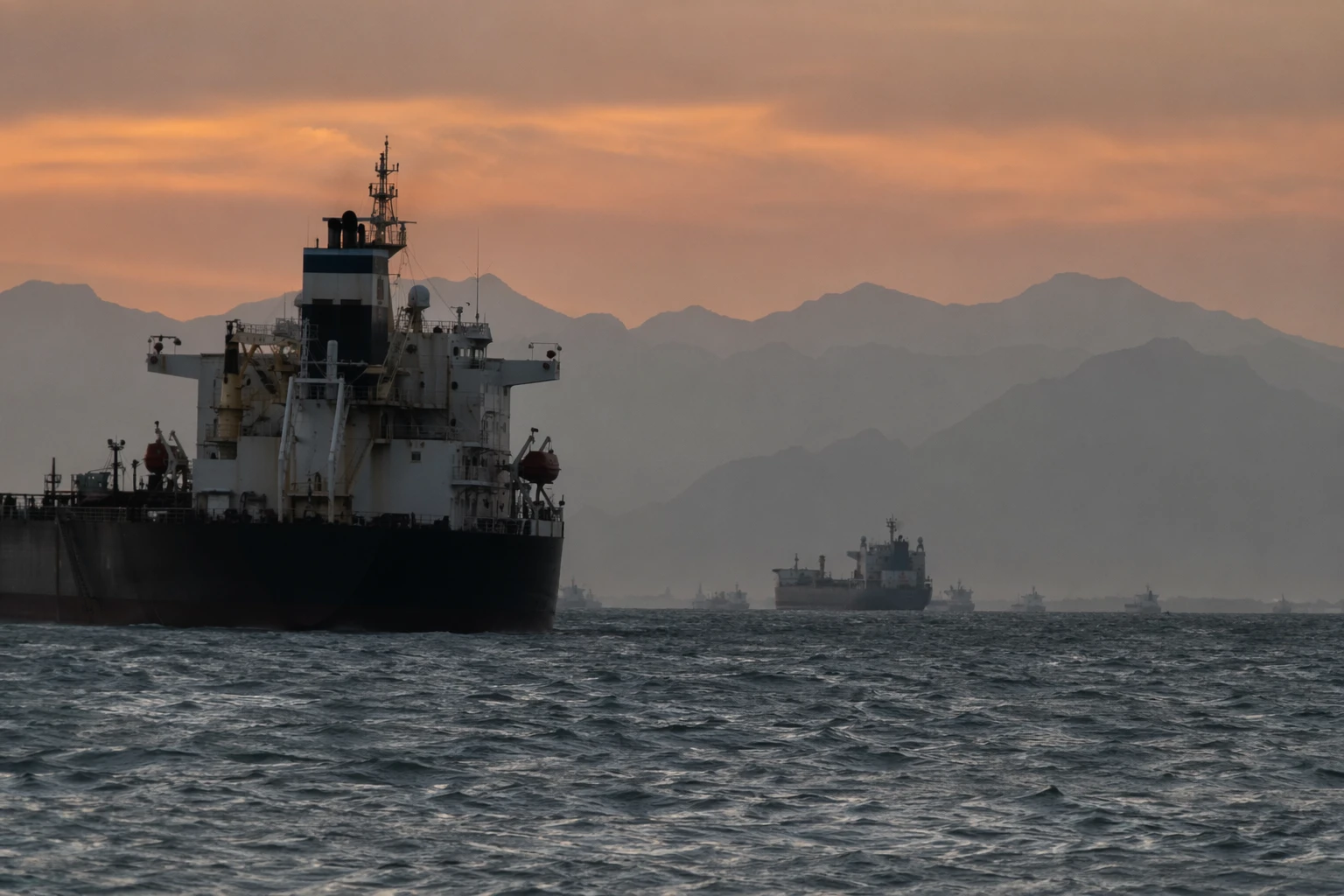
Shipping security was the most concrete subject on the table. The initial deal calls for Iran and the United States to allow maritime traffic to resume through the Strait of Hormuz, a chokepoint that handled about one-fifth of global oil and liquefied natural gas trade before the war. Sources familiar with the discussions said negotiators also talked about unfreezing Iran’s funds, one of the central economic issues tied to any broader agreement.
That is where the negotiations appear to have stopped short. There was no visible movement on the kind of enforceable nuclear limits, sequencing of concessions, or regional-security guarantees that would signal a durable accord. Instead, the talks looked more like a continuation of the ceasefire-and-negotiations framework than a step toward a final settlement, with the latest round focused on managing immediate risks around shipping and sanctions pressure.

The next meeting is not expected until after funeral processions for Ayatollah Ali Khamenei, who is due to be buried on July 9, according to Qatar’s foreign ministry. For now, the markets treated the diplomatic tone as material but tentative. Oil prices fell after Qatar’s positive assessment, a reminder of how quickly traders react to any hint that the Strait of Hormuz could stay open and the confrontation could remain contained.
Sources
- [1]news.google.com
- [2]reuters.com
- [3]cnn.com
- [4]usnews.com
- [5]cbsnews.com