World
US and Iran resume Oman talks over Strait of Hormuz attacks
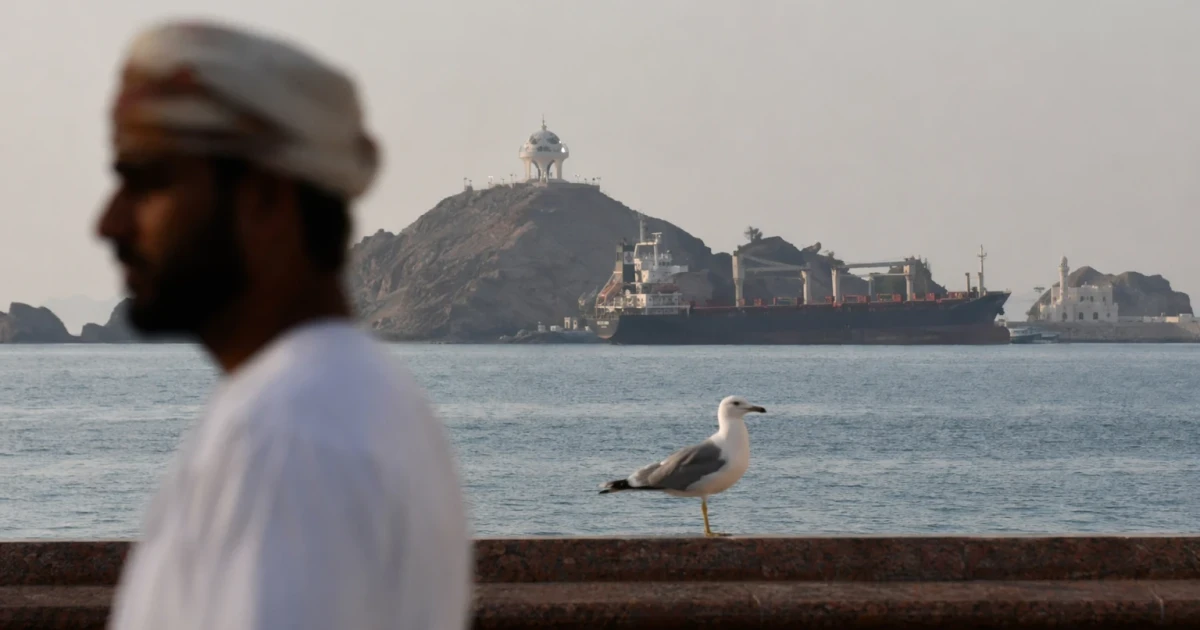
Vice President JD Vance was among U.S. officials taking part in talks that resumed Saturday in Oman as Washington pressed Tehran to guarantee safe passage through the Strait of Hormuz after renewed attacks on commercial shipping. The narrow waterway, only 29 nautical miles across at its tightest point, carries roughly a fifth of the world’s oil and gas trade, and the International Energy Agency said about 20 million barrels a day of crude and oil products moved through it in 2025.
The immediate U.S. demand was that Iran publicly say the strait is open to shipping, promise to stop shooting at commercial vessels and accept no tolls for passage.
The latest round of tensions escalated on July 7, when attacks hit a Qatari LNG tanker and a Saudi crude tanker near the strait. Maritime authorities lifted the threat level for vessels transiting the waterway to severe, and the U.S. later called the attacks a ceasefire violation. The International Maritime Organization condemned the renewed assaults a day later. Nearly 6,000 seafarers were stranded in the Persian Gulf, while its wider Middle East tracker was monitoring more than 20,000 seafarers in the region.
Traffic through Hormuz had already been weakened before the latest attacks. Oil tanker traffic through the strait fell to a near standstill after the violence. At its most constricted point, the strait contains two 2-mile-wide shipping lanes separated by a 2-mile buffer zone, leaving little room for error when tensions rise.
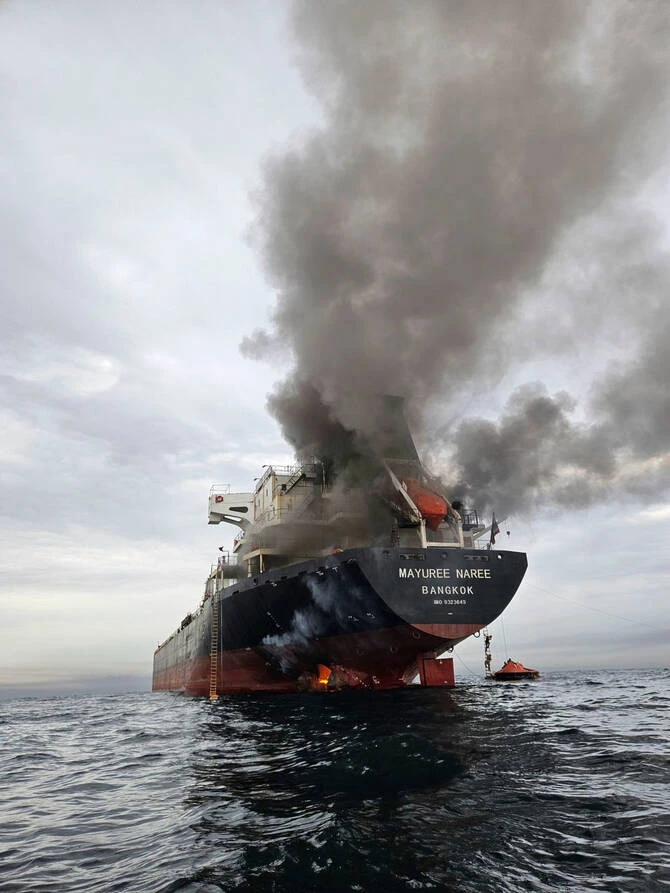
The U.S. Energy Information Administration's timeline had the strait effectively closed from February 28 until Washington and Tehran signed a memorandum of understanding on June 18 to reopen it after a three-month war that disrupted global energy flows and pushed oil prices higher. Reopening Hormuz affected the EIA's global oil production forecast. Senior U.S. officials said Iran privately told U.S. advisers that it made a mistake in shooting at commercial ships.