World
U.S. and Iran say peace deal is close, talks could start Sunday
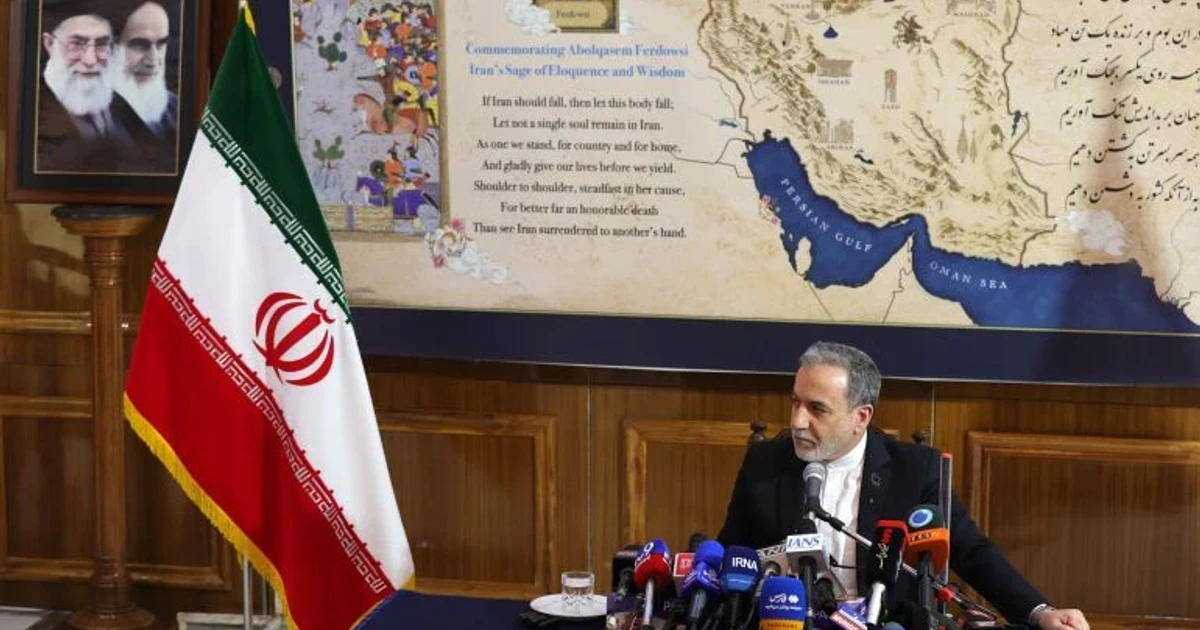
A U.S.-Iran agreement could change the balance of the three-month conflict far beyond the negotiating table, if the two sides turn their reported framework into a signed document by Sunday or Monday. Donald Trump said Friday that a deal could be signed as soon as this weekend, while Iranian Foreign Minister Abbas Araghchi said an agreement had "never been closer."
What is being discussed is not yet a full settlement. Officials and reports have described the emerging arrangement as an interim peace deal or memorandum of understanding, with the nuclear provisions still likely to take months to work out. Public statements from Washington and Tehran also remained in tension, with Iranian officials saying no final agreement had been reached even as Pakistan described the text as settled.
The first effects would be practical and immediate. The reported framework would reopen the Strait of Hormuz, a vital global shipping route, and lift the U.S. naval blockade on Iranian ports. Some reporting said Iran would also be required to remove mines from the waterway within 30 days, a detail that would matter for tankers, insurance rates and the flow of oil through one of the world’s most sensitive chokepoints.

Those shipping terms sit at the center of the diplomatic bargain. Secretary of State Marco Rubio has argued that Iran has used the strait to threaten shipping and the world economy, and the State Department said in May that Iran continued to threaten freedom of navigation there by threatening ships, laying sea mines and trying to charge tolls. Any deal that eases those pressures would also mark a shift in regional military tension, even before the nuclear side is fully settled.
Pakistan has emerged as the mediator most visible in the process. Prime Minister Shehbaz Sharif said a final, agreed-upon text had been reached and that Pakistan was working with both sides on next steps, even as other officials kept describing the process as unfinished. The talks came after weeks of warnings that Iran could block the Strait of Hormuz if diplomacy failed, and after the late-February U.S. and Israeli attacks on Iran that set off the current conflict. If the agreement holds, the first test will not be rhetoric but whether the two sides can convert a fragile pause into enforceable limits on Iran’s nuclear program and a verifiable opening of the waterway.
Sources
- [1]cbsnews.com
- [2]yahoo.com
- [3]reuters.com
- [4]politico.com
- [5]state.gov