World
U.S. and Iran seek diplomacy after intense post-ceasefire attacks

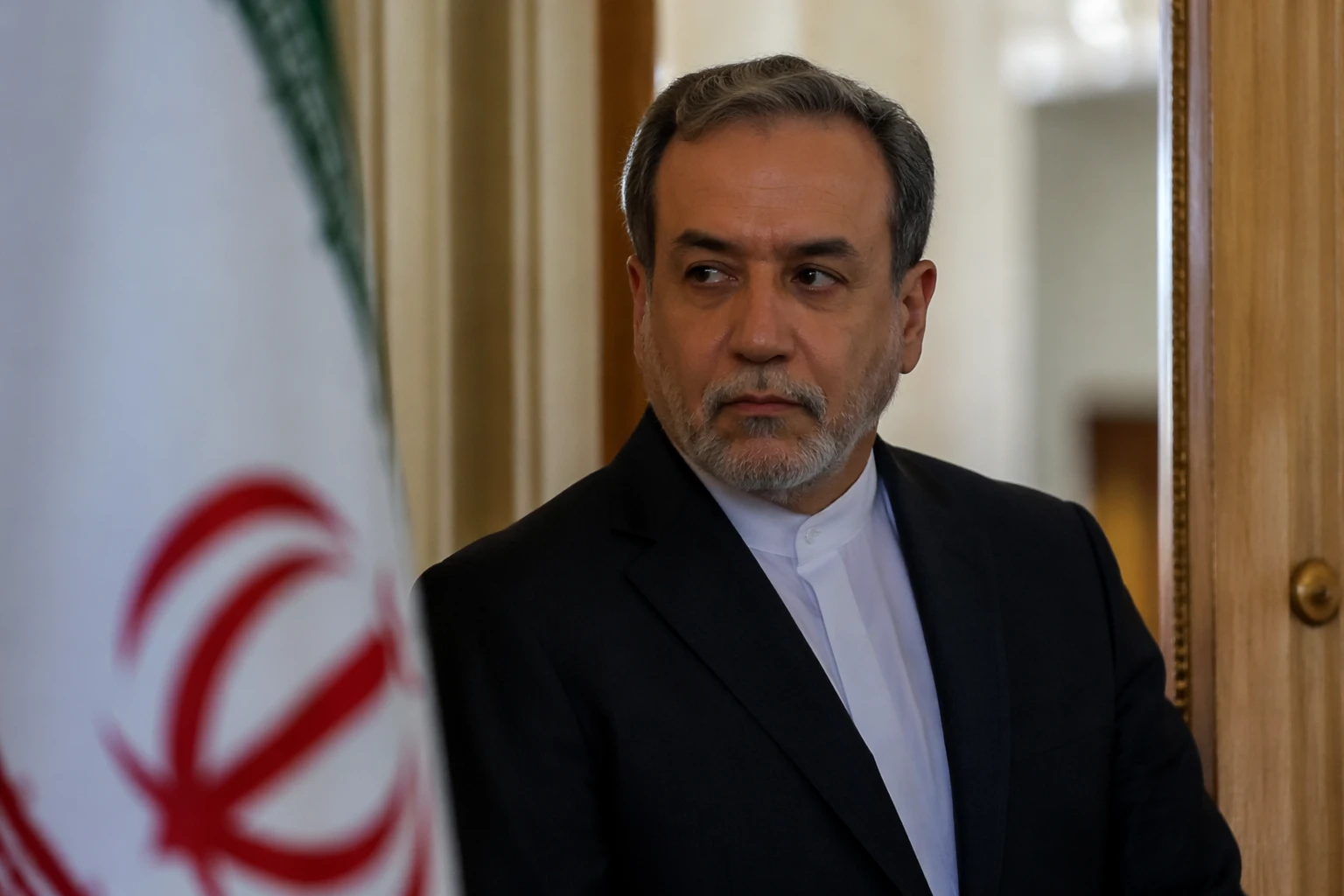
Iran’s Foreign Minister Abbas Araghchi spent Thursday on calls with Oman, Turkey, Saudi Arabia and Pakistan as mediators tried to keep U.S.-Iran diplomacy alive after the fiercest exchange of fire since the mid-June ceasefire. No significant new strikes hit overnight into Friday, but the calm followed days of attacks that rattled the truce and put the next round of talks in doubt.
The latest flare-up began with Iranian strikes on several commercial vessels in the Strait of Hormuz, the narrow waterway that carried about one-fifth of global oil and liquid natural gas trade before the war. The U.S. answered with fresh strikes to keep the strait open to shipping, then struck again after Tuesday’s assault on three cargo ships transiting the lane; Iran retaliated with attacks on Kuwait and Bahrain, while Qatar briefly issued an elevated security alert before giving the all-clear.
The diplomatic structure still rests on Qatar and Pakistan, which brokered the June memorandum of understanding and handled the indirect Doha meetings. Those talks focused on maritime traffic in Hormuz and unfreezing Iranian funds, and the agreement created a channel to record alleged violations of the agreement. Qatar’s foreign ministry set the next meeting to follow funeral processions for Ayatollah Ali Khamenei, which delayed the next negotiation cycle until after his July 9 burial.
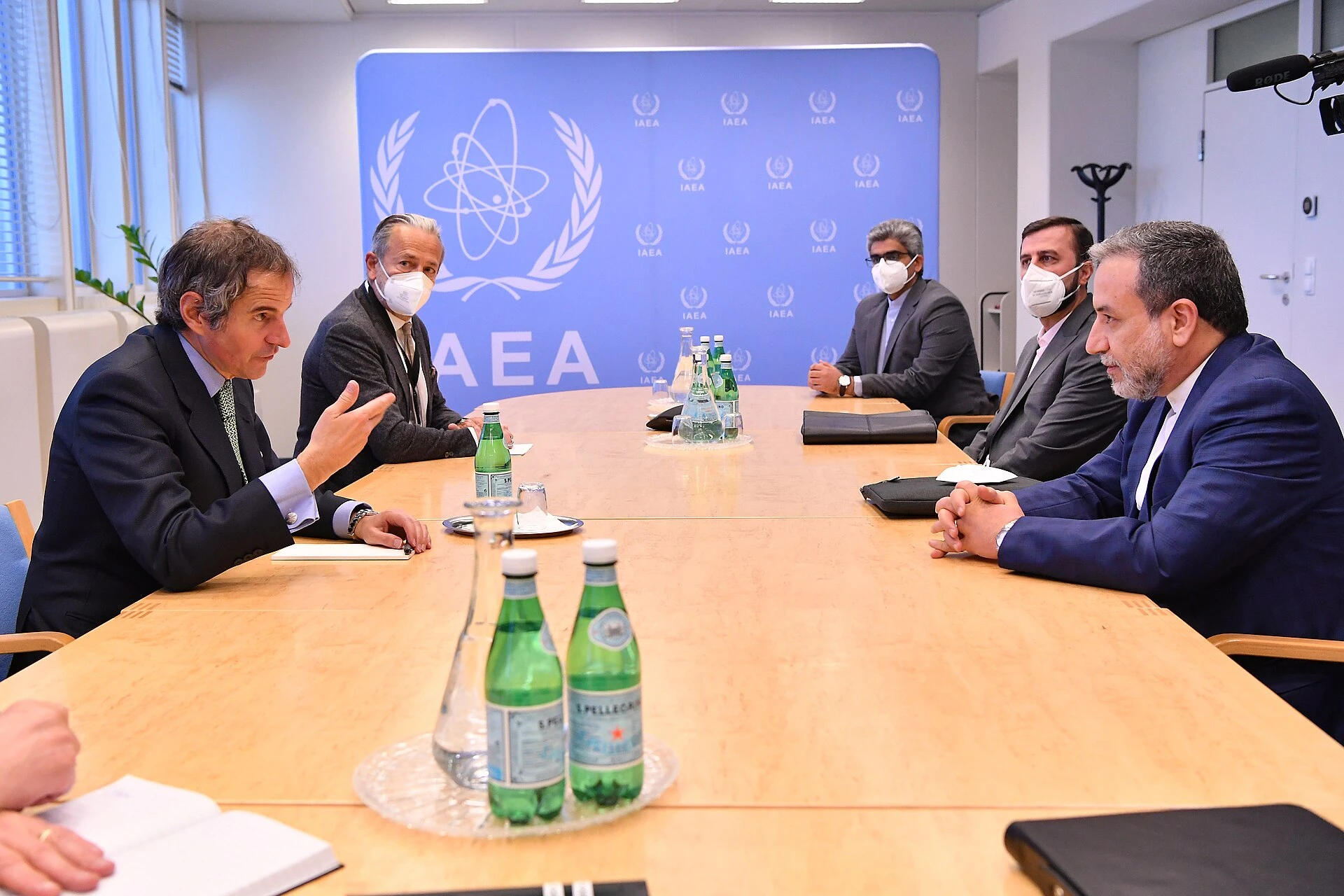
Iran needs sanctions relief, access to frozen funds and the ability to sell oil, all of which were built into the June deal alongside a 60-day negotiating clock and toll-free shipping through Hormuz; Washington needs a durable halt to attacks on shipping and movement on nuclear limits, because the same agreement called for Tehran to dilute highly enriched uranium while the White House waives sanctions. The process could still snap back into open conflict if tankers are hit again, if missile alerts return around U.S. bases in Bahrain or Kuwait, or if either side treats another strike as proof the ceasefire is already over.
Sources
- [1]cbsnews.com