World
U.S. and Iran set for Doha talks as fragile ceasefire holds
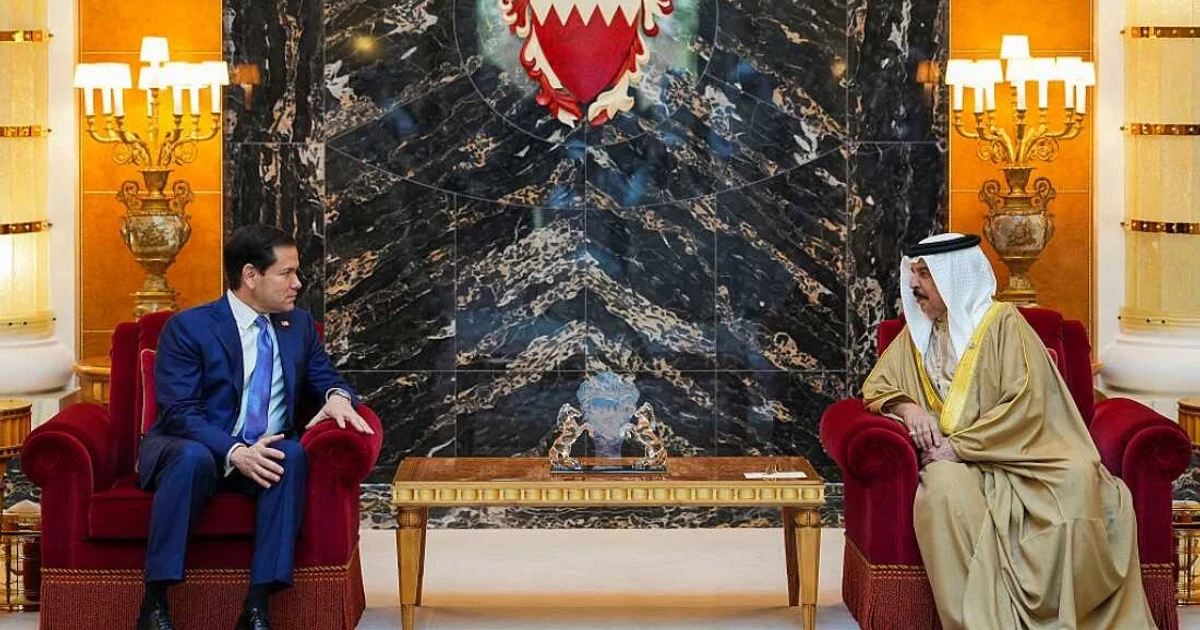
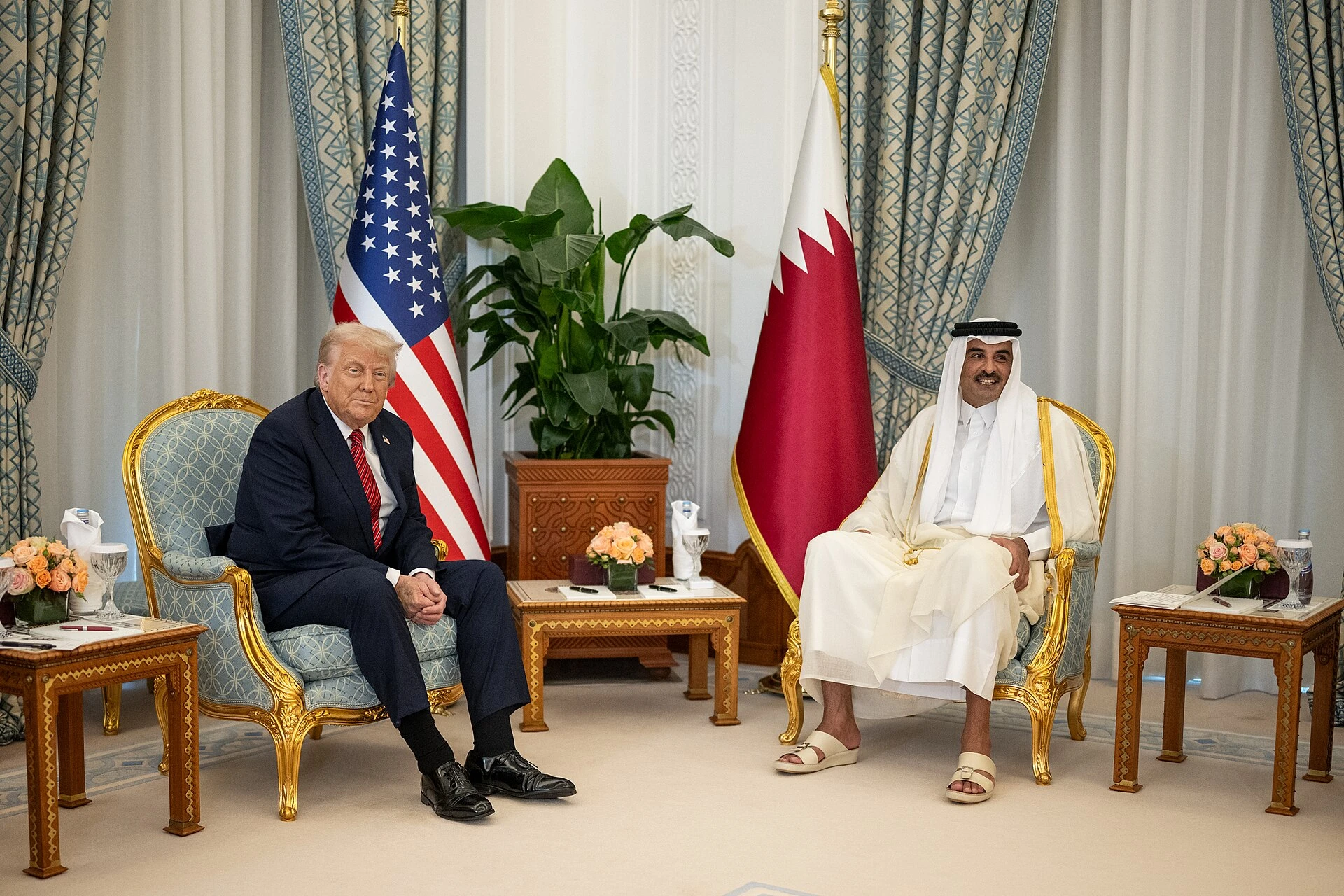
President Donald Trump said U.S. and Iranian officials would meet in Doha, Qatar, on Tuesday, June 30, even as Tehran withheld public confirmation after several days of tit-for-tat strikes. The planned encounter came as a fragile ceasefire held, but only barely, leaving the U.S.-Iran relationship suspended between negotiation and escalation.
The talks are meant to preserve a 60-day interim framework that was supposed to reopen the Strait of Hormuz and set up broader negotiations, including on Iran’s nuclear program. Reuters said Iranian and U.S. technical teams working on the deal’s implementation were expected to meet in Doha in the coming days, and that mediators had already built communications channels to help de-escalate incidents. The next meeting date remained uncertain in AP reporting, even as the 60-day clock continued to run.
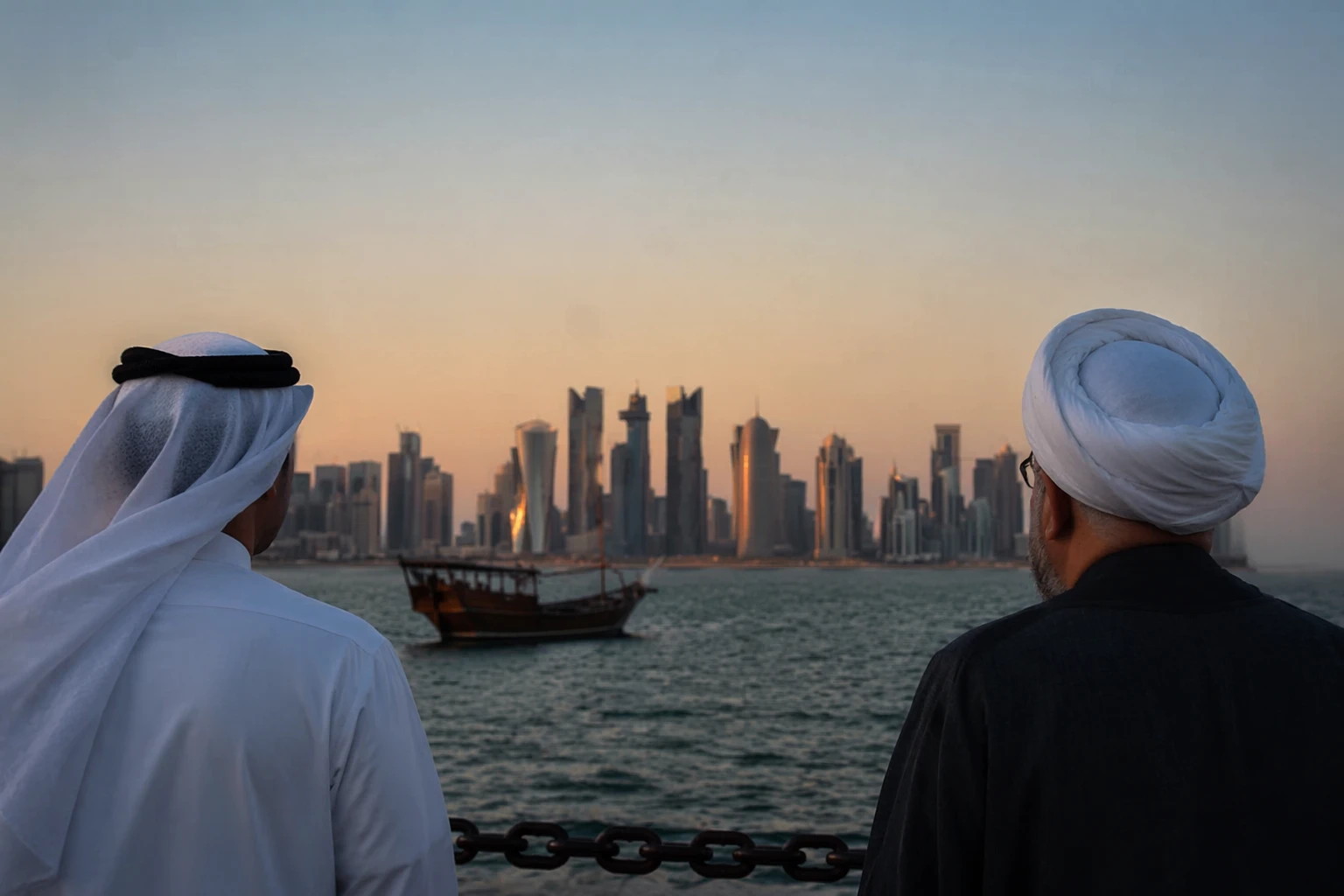
The diplomatic track has been repeatedly disrupted by force. Weekend clashes included Iranian drone and missile attacks targeting Bahrain and Kuwait after new U.S. airstrikes, sharpening the same maritime and regional pressures that have shaped the crisis from the start. The Strait of Hormuz, which carries about one-fifth of global oil and liquefied natural gas supplies in peacetime, again sat at the center of the confrontation as shipping traffic and oil markets reacted sharply during the standoff.
The money issue added another layer to the talks. Iran’s president, Masoud Pezeshkian, said $6 billion in frozen Iranian assets held in Qatar would be released. U.S. reporting said the funds were expected to be used to buy U.S. food products for the Iranian people, turning a financial arrangement into part of the political test over whether the ceasefire can survive long enough for concrete concessions.
Earlier negotiations that were expected to begin in Switzerland were postponed, underscoring how quickly the talks have shifted as the fighting escalated and then paused. CBS News had said Trump said the talks would resume at Tehran’s request after the ceasefire was tested, while AP noted the unresolved issue of the 60-day timeline. For now, the evidence points in three directions at once: the Doha meeting suggests negotiation, the communications channels and shipping assurances suggest deterrence, and the weekend strikes keep the risk of wider conflict firmly alive.
Sources
- [1]news.google.com
- [2]cbsnews.com
- [3]apnews.com
- [4]nytimes.com
- [5]msn.com
- [6]usnews.com