World
U.S. and Iran sign vague deal, key terms still undisclosed
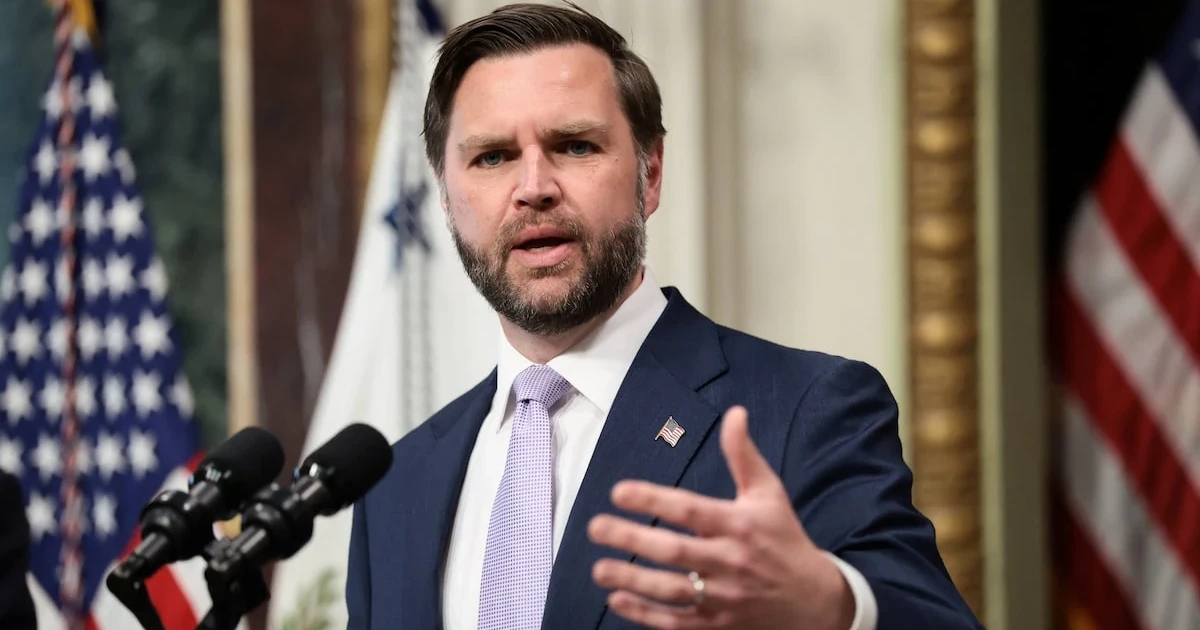
The United States and Iran said they had reached a preliminary deal to end the war, but the full text was still withheld, turning the announcement into a test of transparency rather than a diplomatic victory lap. Senior U.S. officials described the document as a memorandum of understanding already signed electronically by both sides, while Vice President JD Vance said it was “a very general document” about 1.5 pages long, with major issues left for later technical negotiations.
The White House has said the text should be released within 24 to 48 hours, a delay that leaves the central questions unresolved. The most immediate is verification: what exactly has been agreed, how it will be monitored, and who will judge compliance if either side says the other is violating the deal. The timing also matters. The framework reportedly calls for a 60-day ceasefire extension, but the mechanics of that extension, and what happens if fighting resumes before the text is public, are still unclear.

The agreement also raises hard questions about enforcement and sanctions relief. One major sticking point is when frozen Iranian funds or other economic concessions would move. The Iranian Revolutionary Guard Corps has claimed that roughly half of about $24 billion in long-frozen funds would be released before final negotiations begin. U.S. officials have said Iran would receive no money until it complies with the agreement’s terms. That gap will determine whether the accord is a binding exchange of steps or simply an exchange of promises.
The reported framework would also reopen the Strait of Hormuz, end the U.S. naval blockade on Iranian ports, and launch negotiations over Iran’s nuclear program, including the disposal of highly enriched uranium. Those terms are economically and strategically significant because they affect oil flows, shipping insurance, and the leverage Washington has used through sanctions. The State Department says U.S. restrictions on Iran date back to 1979, after the seizure of the U.S. Embassy in Tehran, and Washington has continued tightening pressure on Iran’s oil trade even as diplomacy advanced.
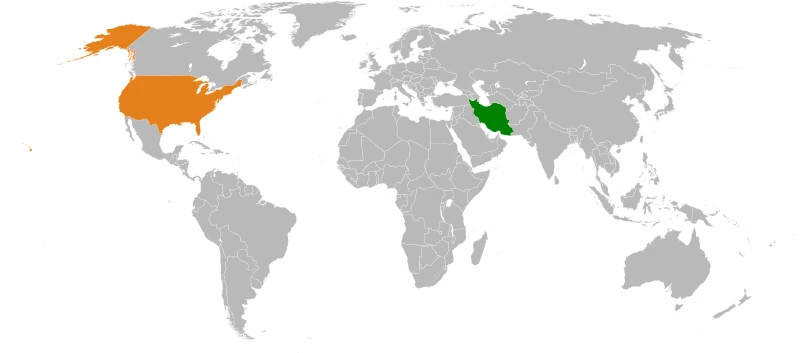
Another unresolved issue is whether the deal binds anyone beyond Washington and Tehran. Israeli officials have said Israel is not bound by the U.S.-Iran arrangement on Hezbollah or on a withdrawal from Lebanon, even as Donald Trump, Pakistani mediators and Iran have said the deal covers a cessation of hostilities on all fronts, including Lebanon. Until the text is public, that contradiction leaves congressional oversight, regional enforcement and the durability of the agreement open to question.
Sources
- [1]cbsnews.com
- [2]state.gov