US News
US and Iran Struggle for Common Ground as High-Stakes Talks Loom
US and Iran Struggle for Common Ground as High-Stakes Talks Loom
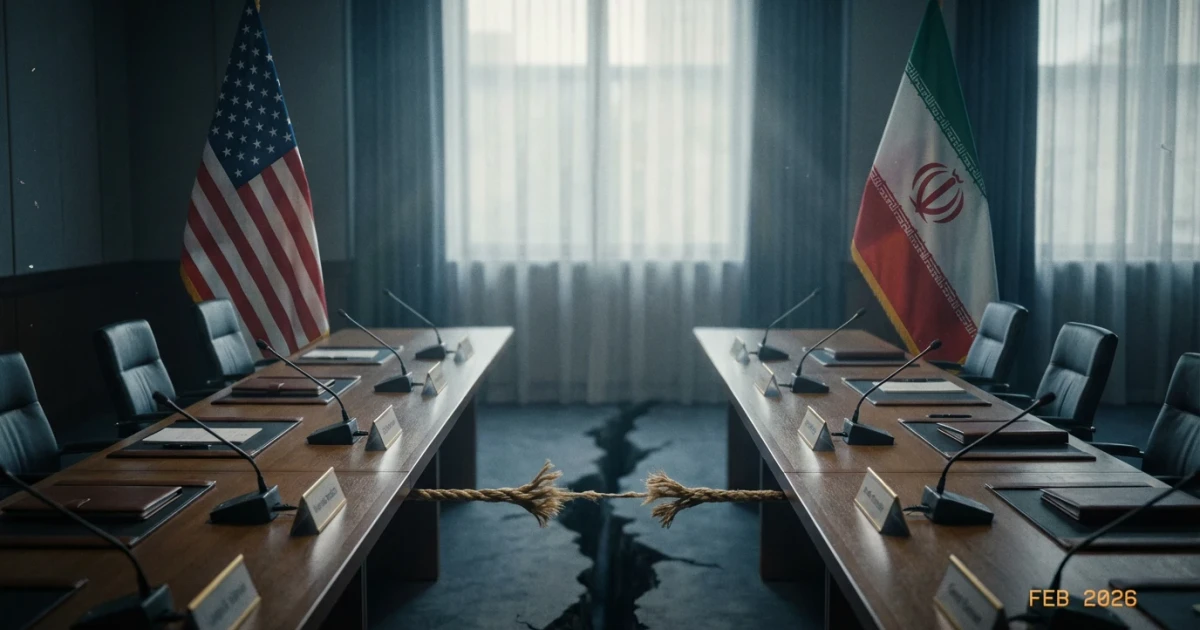
As diplomatic negotiations between the United States and Iran approach, the two countries face significant challenges in bridging longstanding divides. Both sides are engaged in a tense standoff, with efforts to find a diplomatic resolution complicated by deep-seated mistrust and a complex regional context.
Background: Years of Tension
The relationship between the US and Iran has been marked by decades of tension, shaped by disagreements over nuclear ambitions, regional security, and economic sanctions. Previous diplomatic efforts, such as the 2015 Joint Comprehensive Plan of Action (JCPOA), temporarily eased tensions by limiting Iran's nuclear program in exchange for sanctions relief. However, the US withdrawal from the agreement in 2018 and subsequent reimposition of sanctions reignited hostilities.
Key Issues at the Table
- Nuclear Program: The US continues to express concerns over Iran's nuclear activities, demanding verifiable restrictions to prevent weaponization. Iran maintains its program is peaceful and seeks relief from crippling sanctions.
- Sanctions Relief: Iran is pushing for the lifting of economic sanctions that have severely impacted its economy. The US has indicated willingness for phased relief, contingent on Iranian compliance.
- Regional Security: Both nations are at odds over Iran's influence in the Middle East, including its support for proxy groups in Syria, Iraq, Lebanon, and Yemen.
Negotiation Challenges
Efforts to set the agenda for these talks have highlighted the difficulty in finding common ground. The US insists on addressing broader security concerns beyond the nuclear issue, while Iran prefers a focus on nuclear commitments and immediate sanctions relief. This divergence in priorities complicates the pathway to a mutually acceptable agreement.
High Stakes and Regional Impact
The outcome of the talks will resonate far beyond Washington and Tehran. Regional allies and rivals are closely watching for signs of either escalation or détente. A successful negotiation could reduce the risk of military confrontation and open the door for broader diplomatic engagement. Conversely, failure to reach agreement may intensify regional instability and economic hardship for Iranians.
What to Watch Next
- Whether both sides agree on a framework for future negotiations
- Potential interim steps, such as partial sanctions relief or temporary limits on enrichment
- Signals from regional powers, including Israel and Gulf states, which could influence the process
As the talks near, observers remain cautious but hopeful that diplomatic channels can prevent further escalation. The coming days will be critical in determining whether the US and Iran can overcome their differences and lay the groundwork for a more stable relationship.
Sources
- [1]Al Jazeera